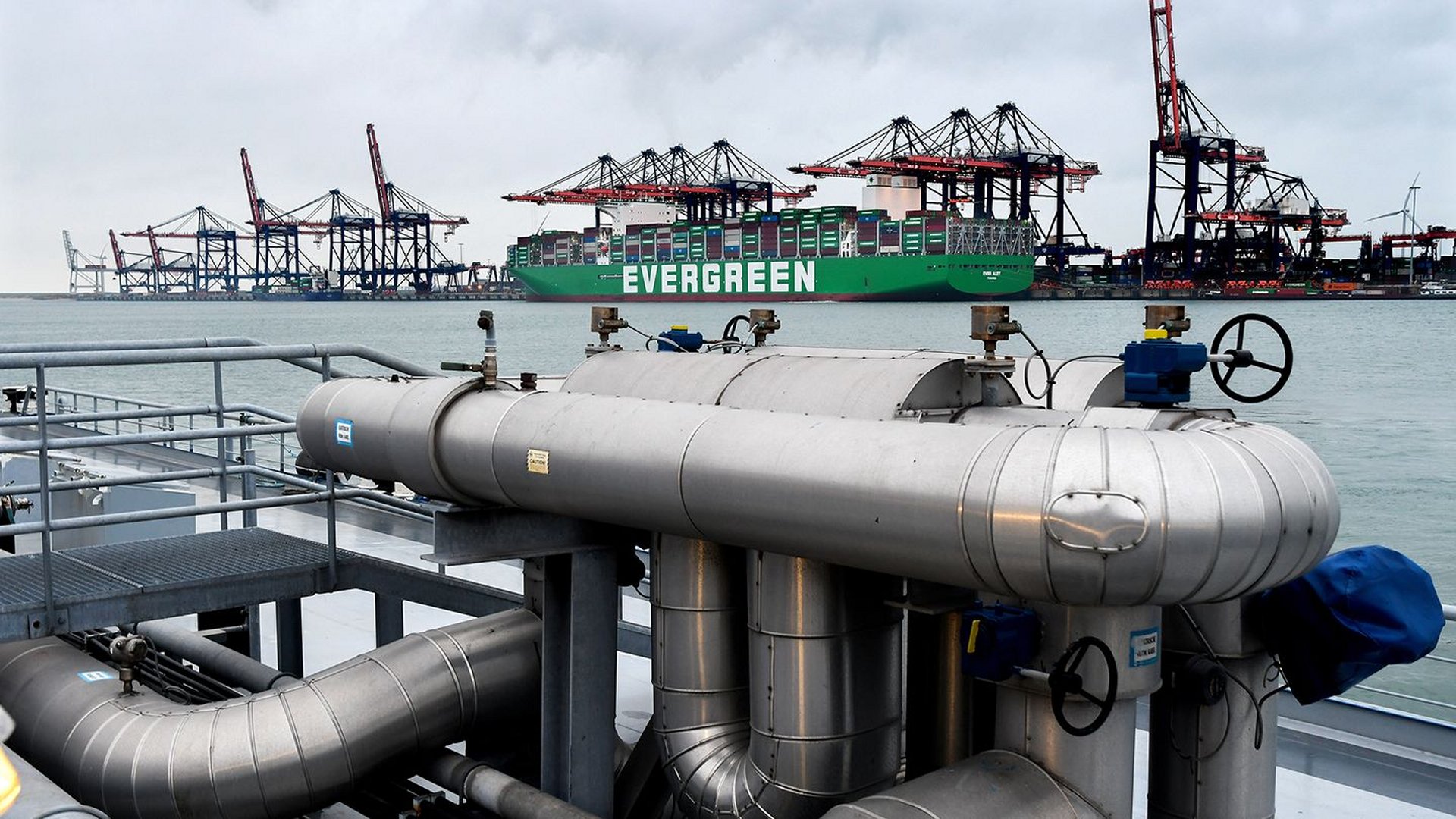
Sales of marine fuel at Europe's largest bunker port, Rotterdam, rose by 8.2 percent in 2022, according to data provided by Port of Rotterdam Authority and analysed by Bunker Index.
Bio blends climb: The most significant gain was seen in sales of bio-blended VLSFO, which jumped 485,367 tonnes, or 324.6 percent, to 634,909 tonnes.
HSFO and MGO in double figures: Non-bio HSFO volume grew 428,442 tonnes, or 16.0 percent, to 3.103m tonnes.
Rotterdam Bunker Sales: 2018-22
| Year | Volume (MMT) | +/- (mt) | +/- (%) | |
| 2022 | 10.645 | +807,651 | +8.2 | |
| 2021 | 9.837 | +604,767 | +6.6 | |
| 2020 | 9.232 | +540,401 | +6.2 | |
| 2019 | 8.692 | -537,330 | -5.8 | |
| 2018 | 9.229 | -393,874 | -4.1 |
Methodology: In order to calculate an overall total for all fuel grades, a conversion factor of 0.4049 was used by Bunker Index to convert LNG sales — provided in cubic metres by Port of Rotterdam Authority — into metric tonnes.
|
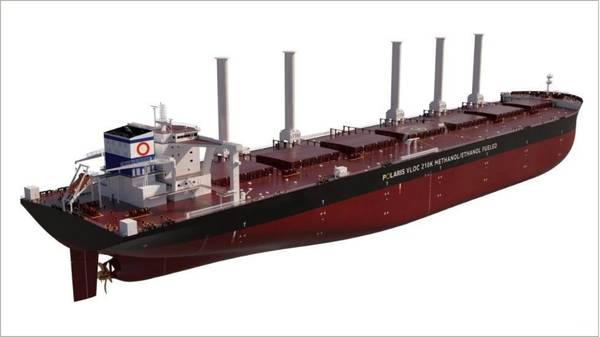
CSSC units sign contract for four tri-fuel ore carriers
Ships feature a tri-fuel propulsion system combining ethanol, methanol and fuel oil. |
|
|
|
||

|
Bunker One seeks oil derivatives trader for Houston desk
New hire to work alongside trading and sales, providing hedging solutions for physical exposure. |
|
|
|
||
|
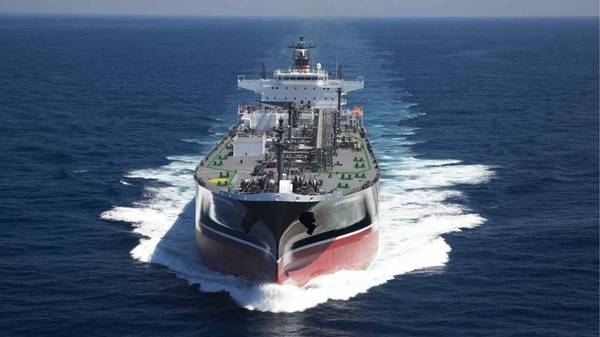
Kawasaki delivers 13th LPG-fuelled LPG/ammonia carrier
86,700-cbm vessel is shipbuilder's 20th delivery featuring LPG-fuel propulsion. |
|
|
|
||
|
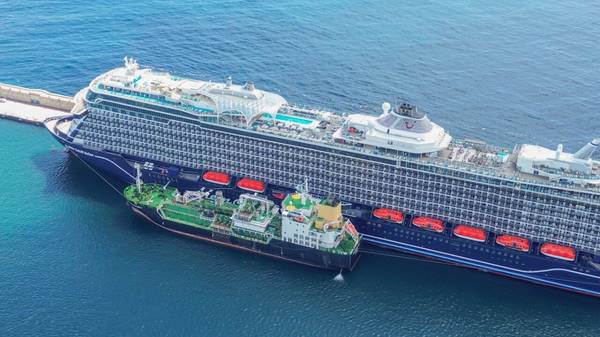
TUI Cruises puts both InTUItion-class ships on bio-LNG as fleet targets 50,000-tonne CO₂e saving in 2026
German cruise operator says bio-LNG use across two newbuilds has already cut 26,000 tonnes of CO₂e. |
|
|
|
||
|
MCE Marine Surveyors seeks bunker surveyor in Rotterdam amid growing demand
Liquid bulk surveyor certificate listed as a preference, as is prior experience in a bunker surveyor role. |
|
|
|
||
|
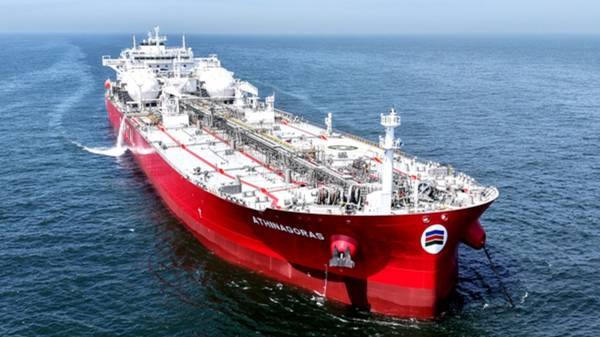
LNG dual-fuel tanker delivered to Capital Ship Management
Vessel one of two handed over to Greek operators on the same day. |
|
|
|
||

|
Auramarine seeks quality specialist to unify European and Asian management systems
Finnish fuel supply system maker is recruiting a quality specialist to harmonise its global operations. |
|
|
|
||
|
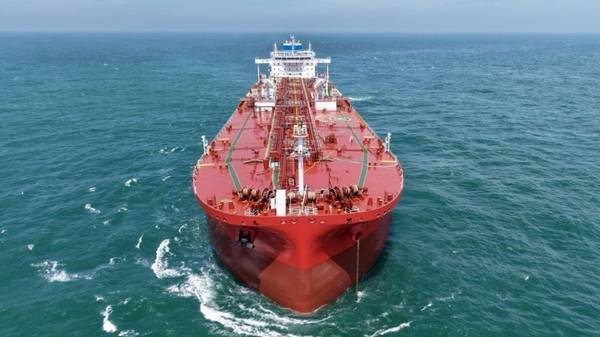
Navios Maritime Partners takes delivery of LNG- and methanol-ready Aframax tanker
117,012-dwt Nave Orbit features alternative-fuel readiness and energy-efficiency technology. |
|
|
|
||
|
PetroChina International seeks bunker sales manager to drive European growth
Chinese state-owned energy trader targets ARA expansion with new commercial hire. |
|
|
|
||
|
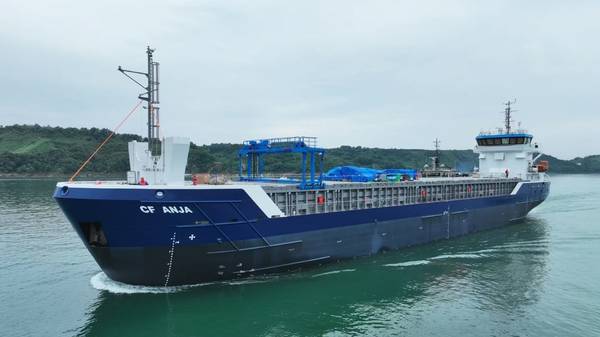
Damen delivers HVO-ready CF 3850 to Lithuania’s Juru Agentura Forsa
CF Anja marks the first newbuild vessel in Forsa’s dry cargo fleet. |
|
|
|
||
| AIDAprima bunkered with 100% biofuel [News & Insights] |
| Gasum ups LNG supply capacity in ARA [News & Insights] |
| From Regulation to Reality: Fuel Assessment Update of the Mediterranean Emission Control Area | Steve Bee, VPS [News & Insights] |
| PetroChina International seeks bunker trader for Rotterdam as it expands ARA marine fuel operations [News & Insights] |
| Baleària switches three ferries to exclusive bio-LNG operation [News & Insights] |
| Tallink's MyStar joins Gasum's FuelEU Maritime compliance pool using bio-LNG [News & Insights] |
| Lloyd’s Register publishes first guidance notes for onboard hydrogen generation systems [News & Insights] |