
 |
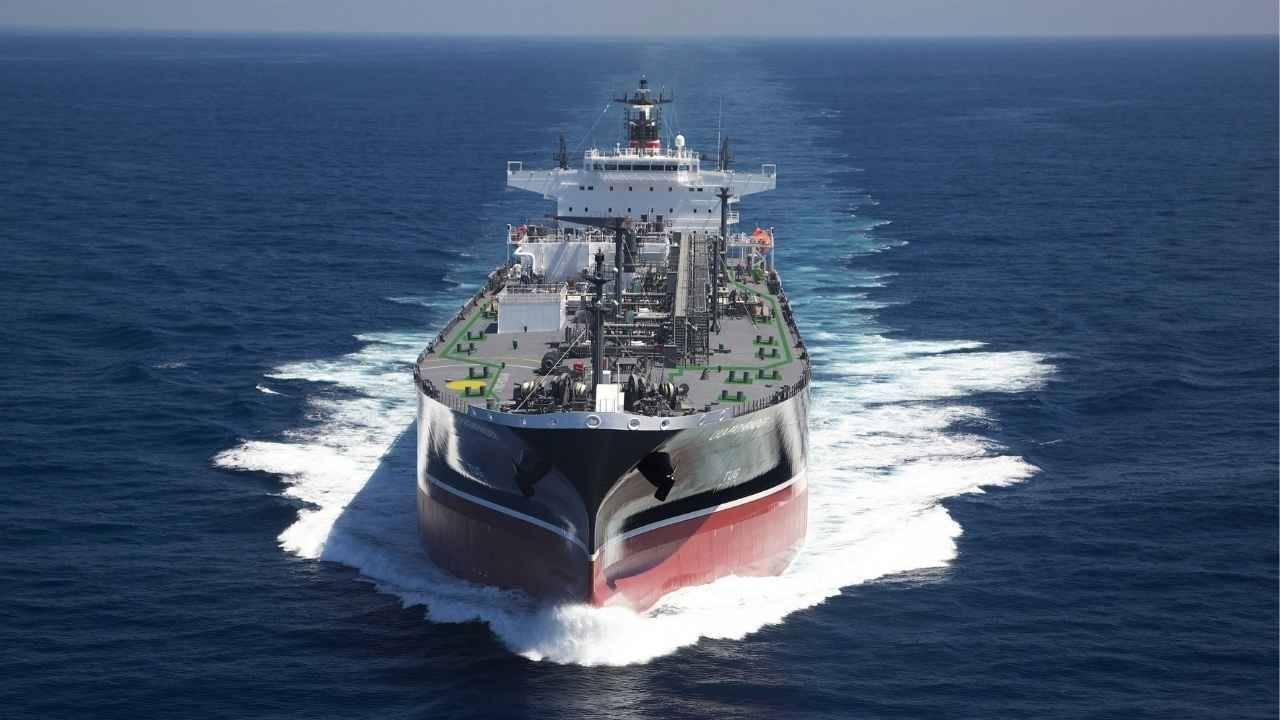
Kawasaki Heavy Industries has delivered the 86,700-cbm LPG-fuelled LPG/ammonia carrier Lyla Pathfinder to Camel Maritima S.A., marking the 13th vessel of the Japanese shipbuilder's latest 86,700-cbm LPG/ammonia carrier series.
The vessel is designated the company's 1,769th ship overall and its 83rd LPG carrier. It is also the 20th vessel using LPG-fuel propulsion to be delivered by Kawasaki Heavy Industries.
LPG propulsion and shaft generator
Lyla Pathfinder is equipped with a dual-fuel Kawasaki-MAN B&W 6G60ME-C10.5-LGIP electronically controlled liquefied petroleum gas injection diesel engine capable of operating on both conventional marine fuel and LPG.
A shaft generator — mounted on the shaft connecting the main engine to the propeller — allows onboard power to be generated from the main engine output. When the shaft generator is in operation during normal voyages, the diesel generator can be shut down, Kawasaki notes, enabling complete operation on LPG alone — with the exception of a small quantity of pilot fuel.
For nitrogen oxide (NOx) emissions, the vessel employs a system said to comply with IMO Tier III regulations: the main engine uses exhaust gas recirculation (EGR), while the generator engine uses selective catalytic reduction (SCR). This is designed to enable the ship to navigate in NOx emission control areas (ECAs) even when using conventional low-sulphur fuel oil.
The carrier is able to simultaneously transport cargoes of both LPG and ammonia. Its new design increases cargo capacity compared with Kawasaki's conventional 84,000-cbm LPG carriers, while retaining broadly similar hull dimensions — including overall length and beam — to allow the vessel to call at major LPG terminals worldwide.
Energy-saving features and ammonia-readiness
Fuel consumption is said to be reduced through the fitting of Kawasaki finned rudder valves, contra-finned semi-ducts and energy-saving fins around the propeller.
The ship has also received concept design approval from Nippon Kaiji Kyokai (NK), Japan's maritime classification society, for the use of ammonia as marine fuel. This approval means the vessel can, in principle, be retrofitted in future to enable ammonia fuel use.
The Lyla Pathfinder measures 229.90 m in length, 37.20 m in beam and 21.90 m in depth, with a full-load draught of 11.65 m and a service speed of approximately 17.0 knots. It has a gross tonnage of 49,561, a deadweight of 56,330 tonnes and a cargo hold volume of 86,935 cbm. The vessel is registered under the Panama flag.

|
Petrobras resumes bunkering operations at Rio Grande Terminal after power restoration
Brazilian supplier restarts marine fuel supply after completing an inspection following an electricity outage. |
|
|
|
||
|
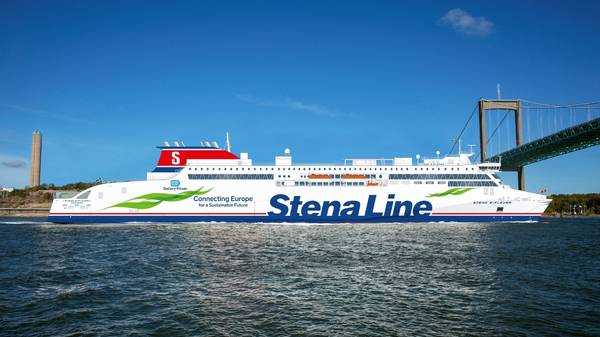
Stena RoRo orders battery-ready E-Flexer 2.0 ferries from Chinese yard
Vessels include diesel engines capable of running on biodiesel and are methanol-ready. |
|
|
|
||
|
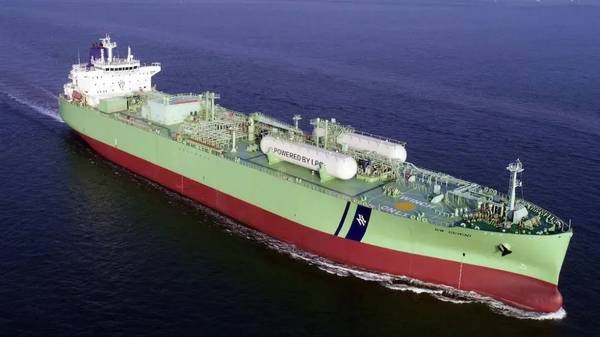
Nord Gas Solutions to supply cargo and fuel systems for eight BW LPG VLGCs
Gas-handling systems specialist awarded contract for new 90,000-cbm vessels. |
|
|
|
||
|
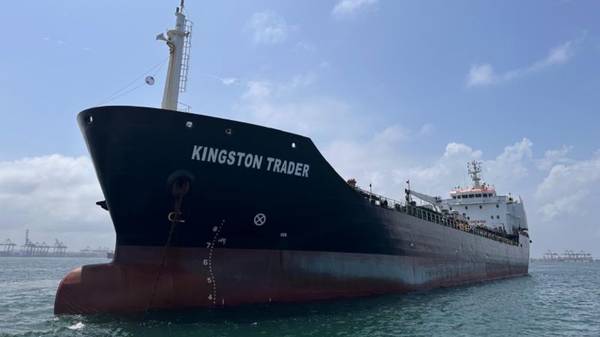
TFG Marine fits mass flow meter to Jamaica-bound bunker barge
Kingston Trader becomes the first Caribbean bunkering vessel with mass flow metering as TFG Marine’s fleet coverage nears 90%. |
|
|
|
||
|
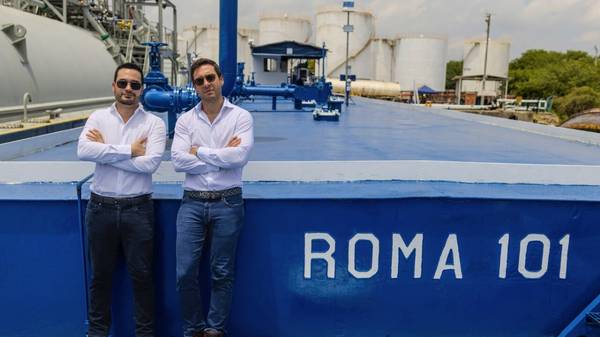
Monjasa announces full-chain marine fuel operations in Cartagena
Monjasa says it now covers the entire marine fuel supply chain in Colombia, from oil wells to ship-side deliveries. |
|
|
|
||
|
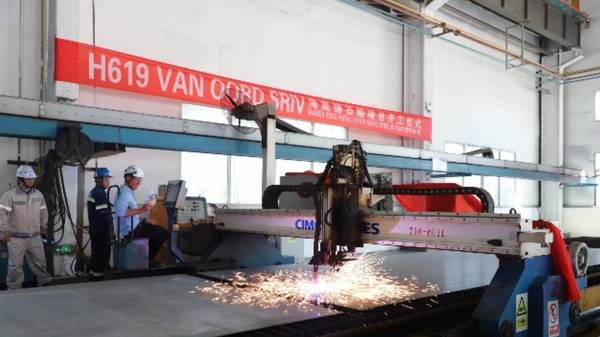
Ceremonies held for Van Oord’s methanol-hybrid rock installation vessels
Two ships advance through parallel construction at China’s CIMC Raffles shipyard. |
|
|
|
||
|
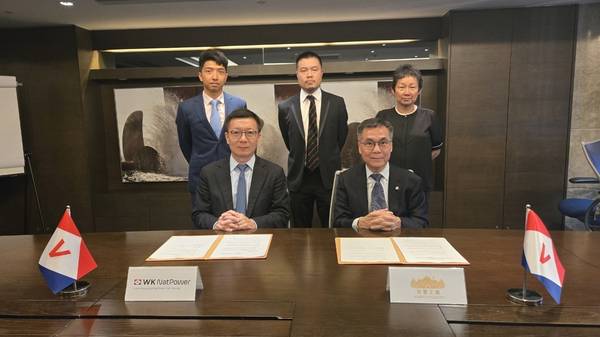
Wah Kwong NatPower signs MoU to explore Hong Kong marine electrification
Venture will examine shore power, vessel charging and electric vessel deployment around Aberdeen’s waterfront. |
|
|
|
||
|
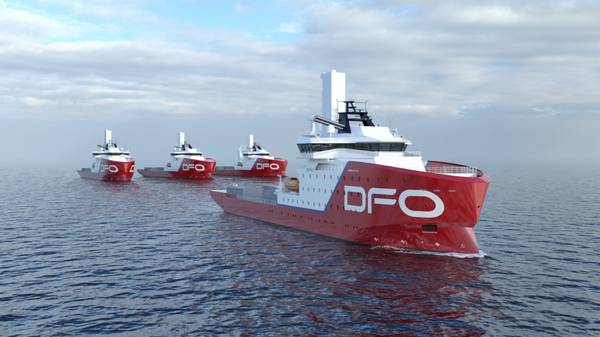
Dong Fang Offshore orders CSOV with battery-hybrid propulsion
Vard secures fifth newbuild contract from Taiwanese firm, with delivery scheduled for 2028. |
|
|
|
||
|
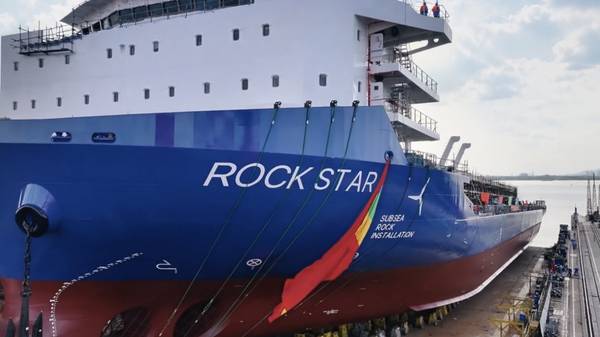
CSL and OWL launch first subsea rock installation vessel for offshore wind
MV Rock Star can run on MGO and methanol and is designed to support scour protection and cable burial for offshore wind projects. |
|
|
|
||
|
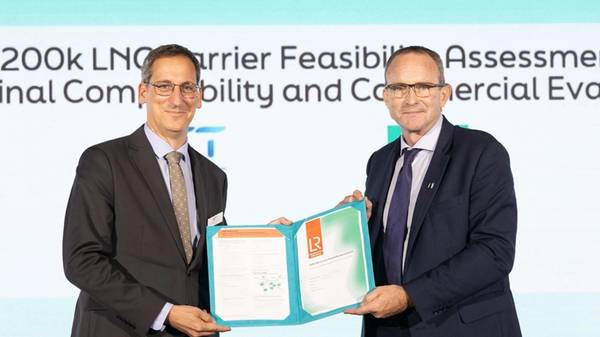
Lloyd’s Register study backs 200,000-cbm LNG carriers for fleet renewal
Analysis finds larger LNG carriers could cut transport costs while retaining access to most major terminals. |
|
|
|
||
| Exmar takes delivery of third dual-fuel LPG midsize gas carrier in newbuild programme [News & Insights] |
| BGN expands owned LPG fleet with two additional VLGCs from HD HHI [News & Insights] |
| WinGD completes factory testing of ammonia-fuelled engine for LPG carrier [News & Insights] |
| Synergy Marine Group takes technical management of two Yang Ming LNG dual-fuel newbuilds [News & Insights] |
| MOL and ONGC sign 15-year charter deal for two ethane carriers [News & Insights] |
