Tue 19 Mar 2013, 19:50 GMT

Environship concept wins award


Ship design includes integrated rudder and propeller system to reduce fuel consumption.


Rolls-Royce Plc has received the Green Ship Technology Award for its Environship concept - a revolutionary design and system solution for cargo ships that reduces CO2 emissions by up to 40 percent compared to similar diesel-powered vessels.

The Environship, which can be adapted for different ship types, incorporates a range of Rolls-Royce technologies to deliver efficiency savings for ship owners. These include a Bergen engine powered by liquefied natural gas (LNG), the Promas combined rudder and propeller, a hybrid shaft generator to optimise use of electrical power and an innovative wave-piercing hull design.

The accolade was awarded at a ceremony in Hamburg, Germany, in connection with the annual Green Ship Technology Conference.

Tony Wood, Rolls-Royce, President - Marine said: "We’re delighted to receive this award for our Environship concept, another endorsement for our belief that only a combination of technologies will maximise environmental and efficiency gains. With a number of Environship vessels already in build, 2013 will be an exciting year, as this awarding winning concept takes to the seas."

The first vessel built to the Environship standard is a fish-feed transporter currently under construction at the Vard Aukra shipyard in Norway, for shipping company Eidsvaag Rederi. The vessel is due for delivery in May this year. In October, the first of two cargo ships for the Norwegian company Nor Lines will be delivered by Tsuji Heavy Industries (Jiangsu) Co Ltd. in China.

Passenger ship designs are also under development. Last year Rolls-Royce announced that it had signed a teaming agreement with Italian company Lauro Shipping to design innovative new gas powered ferries based on the Environship concept.

In 2011 Environship received the Next Generation Ship Award at the Nor-Shipping exhibition.ade.


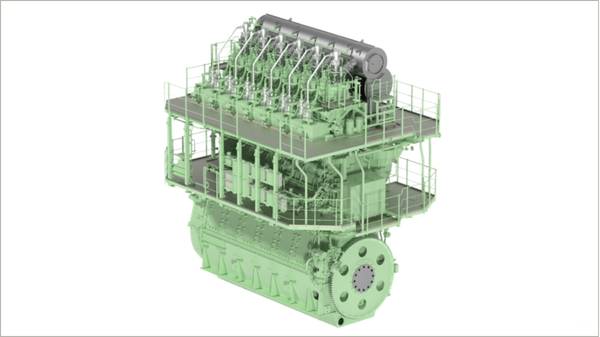
UEC60LSJ ammonia-fuelled engine render. J-ENG secures orders for four ammonia-fuelled engines under Japanese PCTC project  

Vessels form part of plan to build four ammonia-fuelled car carriers, a dedicated bunkering vessel and supply chain.

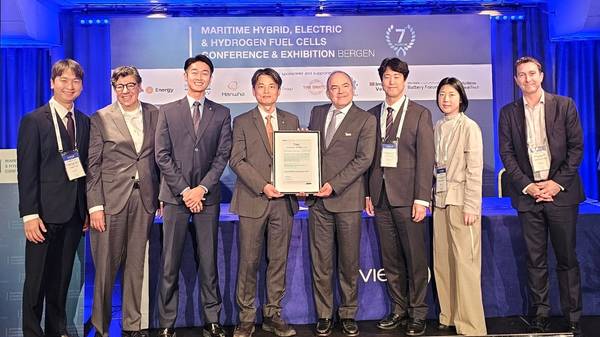
Hanwha Power receives ABS AiP for battery-powered containership design. ABS grants AIP to Hanwha Power for 1,700-TEU battery-powered container ship  

Design uses roughly 151 MWh of swappable battery storage for fully electric propulsion on a container vessel.

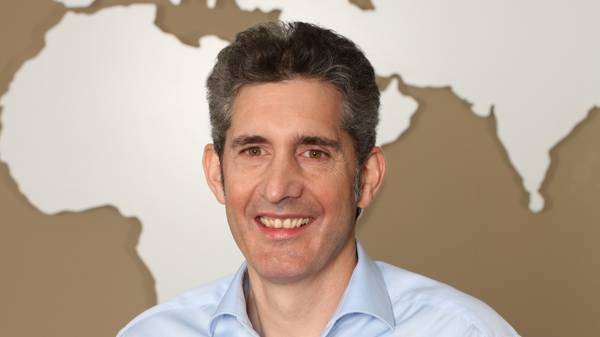
Peter Krahenbuhl, WinGD. WinGD signs first licence deal with HD Hyundai Marine Engine to expand Korean production  

Mid-bore engine portfolio gains new production route into Korea's bulk carrier and tanker newbuild markets.

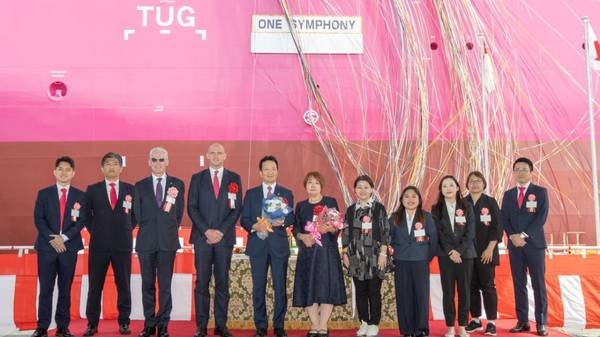
ONE Symphony naming ceremony. Ocean Network Express names ammonia- and methanol-ready newbuild ONE Symphony  

Vessel features conventional diesel main engine, with concept designs approved for possible future conversion to methanol or ammonia.

Sing Fuels logo. Sing Fuels seeks Asia-based supply trader to bolster bunker procurement team  

Singapore bunkering firm is recruiting a supply trader to manage marine fuel purchasing across Asia.

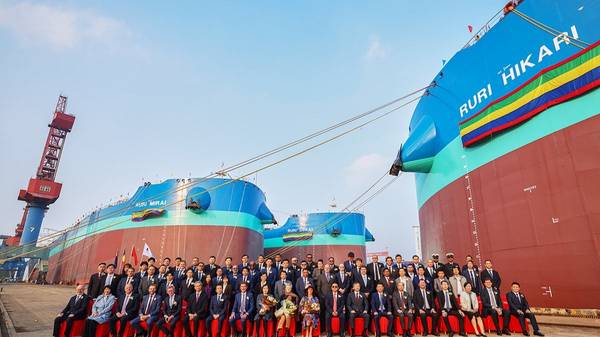
MOL joint naming ceremony. MOL names world's first ammonia-fuelled Capesize bulk carriers  

Naming of Ruri Mirai, Ruri Sekai and Ruri Hikari signals ammonia's arrival as a marine fuel for large bulk carriers.

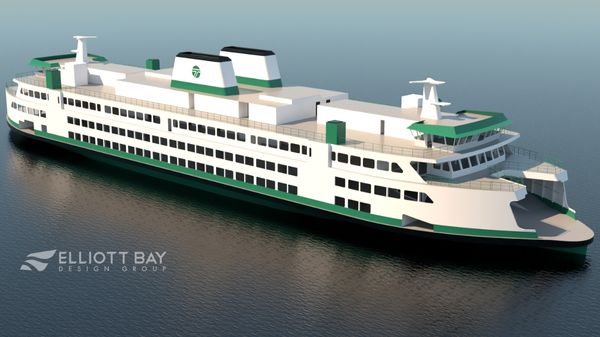
Washington State Hybrid-Electric 160-Auto Ferry vessel render. ABB wins Washington State Ferries' third hybrid-electric vessel order  

ABB extends its role in the US ferry operator's electrification programme, which targets emission-free operations by 2050.

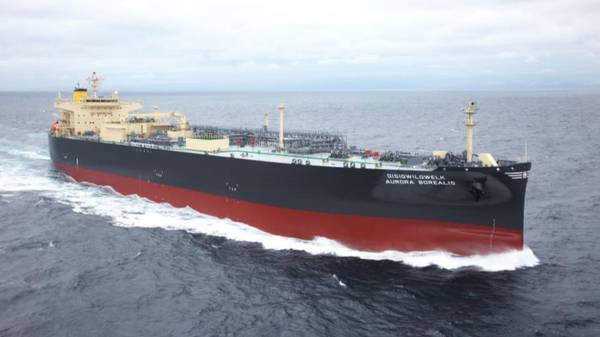
Aurora Borealis vessel. Kawasaki Heavy Industries delivers LPG-fuelled carrier Aurora Borealis  

Ship could also be modified in future to allow for ammonia-fuelled operation.

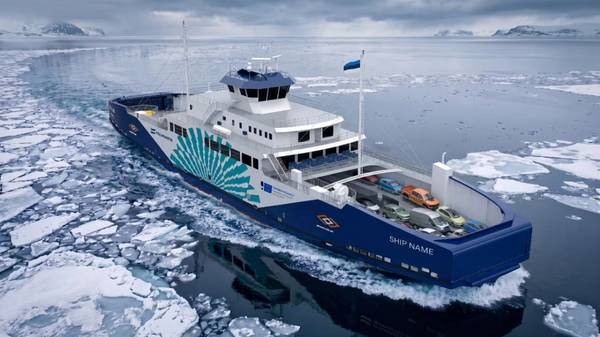
Rendering of Estonia's first shore-charged electric ferry. Estonian State Fleet's shore-charged electric ferry completes model testing in Germany  

Hull and propulsion tests show the vessel's energy consumption remains within contracted limits with room to spare.

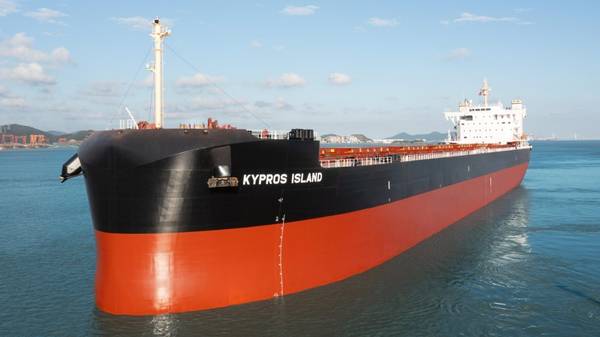
Kypros Island vessel. Tsuneishi delivers first methanol dual-fuel Kamsarmax bulk carrier from Chinese yard  

Shipbuilder claims progress towards establishing a mass-production system for vessels designed to reduce environmental impact.