
 |
Swiss marine engine designer WinGD has announced that its X-DF dual-fuel engine series has surpassed 1,000 orders, a figure the company says reflects continued market confidence in LNG as a transition fuel for shipping.
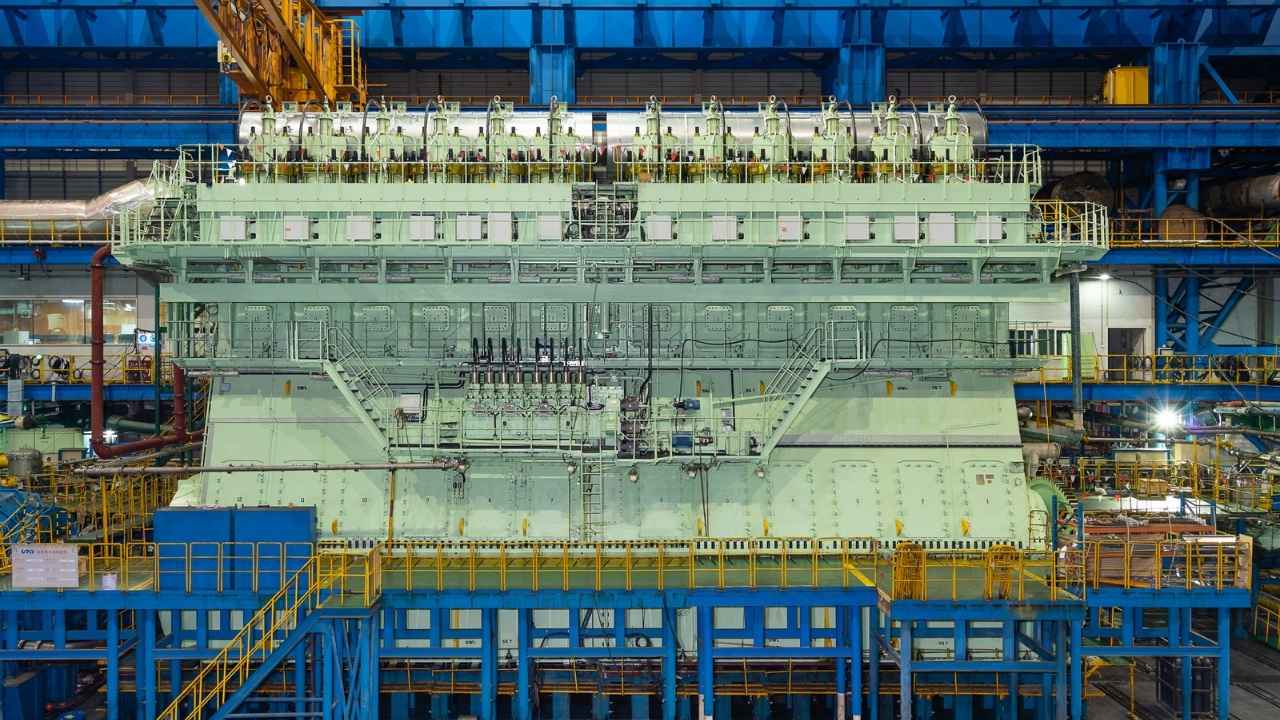
The X-DF platform, which uses low-pressure gas admission ignited by a small volume of liquid pilot fuel, was first demonstrated on a full-scale research engine at the Wärtsilä factory in Trieste, Italy, back in September 2011 — just seven months after development work began in February of that year. WinGD introduced the engine series commercially in 2013, positioning it as a response to the IMO’s Tier III nitrogen oxide (NOx) emission limits.
The engine is said to meet Tier III NOx limits without requiring exhaust gas after-treatment systems, helping reduce both capital and operating costs for shipowners, whilst also cutting sulphur oxide (SOx) emissions, particulate matter and greenhouse gas emissions compared with conventional marine fuels.
From LNG carriers to container ships
The order book has expanded beyond LNG carriers to include ultra-large container ships, shuttle tankers and very large crude carriers. WinGD highlights that the X-DF has been the best-selling dual-fuel low-speed engine technology in the LNG carrier market since the second half of 2017.
The engine also holds a Guinness World Record, having been recognised in 2020 as the “Most powerful marine internal combustion (IC) engine (Otto cycle) commercially available.” The 12X92DF variant, first delivered in 2019, generated 63,840 kW at 80 rpm and weighed 2,140 tonnes. It was installed aboard one of the 23,000-teu LNG-fuelled container ships operated by French shipping group CMA CGM.
Methane slip and regulatory compliance
A key area of ongoing development has been the reduction of methane slip — uncombusted methane that escapes during engine operation — which has been identified as a challenge associated with LNG propulsion given methane’s potency as a greenhouse gas.
WinGD says the introduction of its X-DF2.0 platform, combined with its internal combustion engine reformer (iCER) technology, achieved reductions in both fuel consumption and methane slip compared with the first-generation X-DF. The company has further developed variable compression ratio (VCR) technology — to allow the compression ratio to be optimised according to operating conditions.
According to WinGD, the X72DF-2.2 engine with VCR brings methane slip down to around 0.7%, while larger-bore engines are expected to reach levels of around 0.5%, and further design and technology improvements are already being communicated to key stakeholders.
WinGD also notes that X-DF engines running on LNG can avoid penalties under the FuelEU Maritime regulation until at least 2035, offering owners a degree of regulatory certainty.
Future fuel compatibility
WinGD says the X-DF range is capable of operating on biomethane and synthetic methane derived from renewable electricity without requiring major engine modifications, a feature designed to give owners a pathway toward progressive decarbonisation as fuel markets evolve.
The company has also introduced the X-DF-HP engine platform, extending its LNG offering into high-pressure technology for larger-bore applications. Shipowners can now select between two distinct LNG combustion concepts — low-pressure and high-pressure — each said to be optimised for different vessel types, operational priorities and decarbonisation pathways.
Recent orders
Among the most recent orders, BW LNG has placed an order for two 174,000-cbm LNG carriers to be built at HD Hyundai Heavy Industries, each to be powered by WinGD 5X72DF-2.2 VCR engines manufactured by HHI-EMD. Engine delivery is expected in mid-2028.
|
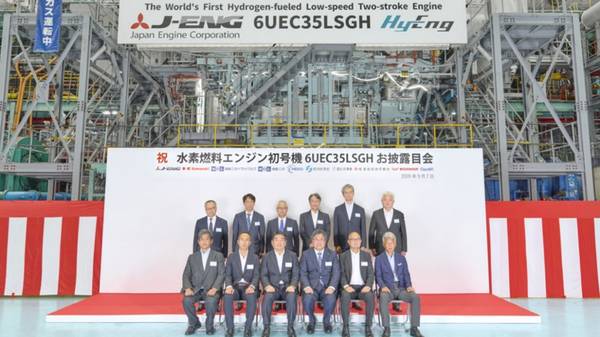
Japan Engine completes land-based testing of landmark hydrogen-fuelled engine for large vessels
Hydrogen co-firing rate of at least 95% achieved during factory testing. |
|
|
|
||
|
Ethanol edges into shipping’s fuel mix as methanol crossover eases adoption barriers
Rising interest from cargo owners, shared technology with methanol and Brazilian production growth push ethanol beyond regional niche status. |
|
|
|
||
|
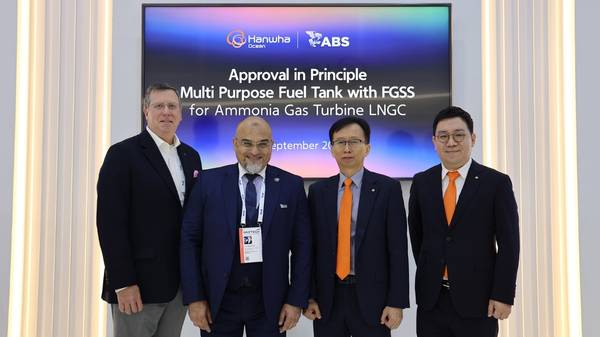
ABS grants Hanwha Ocean approval for dual-fuel tank enabling LNG-to-ammonia switch
In-principle approval awarded for fuel tank and supply system enabling LNG carriers to convert to ammonia without replacement. |
|
|
|
||
|
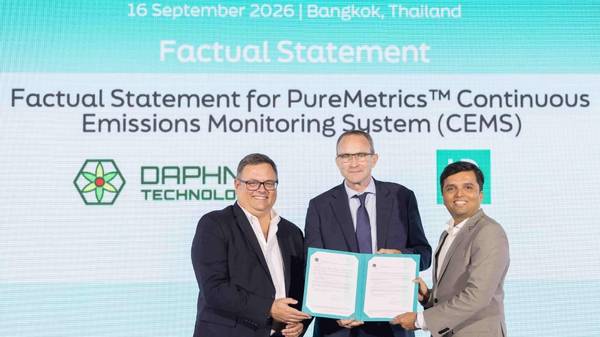
Lloyd's Register confirms suitability of Daphne Technology's emissions monitoring system
Factual Statement validates the PureMetrics design for monitoring greenhouse gas emissions from marine engines. |
|
|
|
||

|
IMO issues shipboard biofuel blend checklist developed by IBIA
Checklist for FAME-based biofuels formally incorporated into IMO document, supporting crews handling biofuel blends for the first time. |
|
|
|
||
|
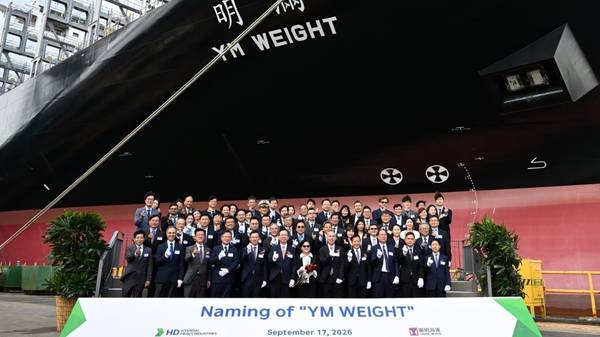
Yang Ming names fourth LNG dual-fuel container vessel YM Weight
Newbuild features high-pressure dual-fuel main engines capable of running on either LNG or low-sulphur fuel oil. |
|
|
|
||
|
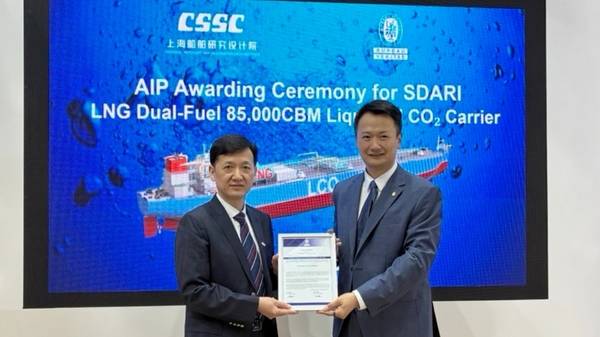
Bureau Veritas grants AiP to SDARI’s LNG dual-fuel liquefied CO₂ carrier design
Classification society approves 85,000-cbm vessel concept designed to support the growing carbon capture and storage sector. |
|
|
|
||

|
JuWonOil looking to strengthen with two Houston hires
Texas-based firm is recruiting a marine lubricants sales executive and a marine fuels and distillates trader. |
|
|
|
||
|
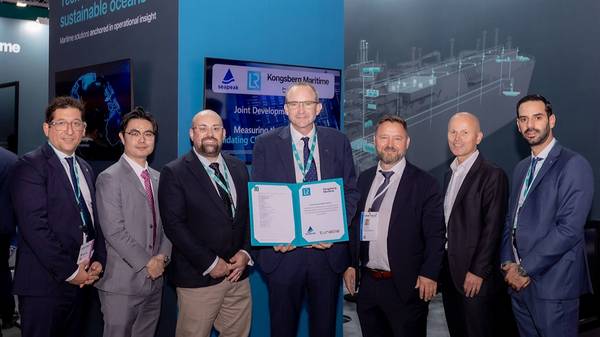
Four firms partner to trial continuous emissions monitoring on LNG carrier
LR, Seapeak, Kongsberg Maritime and Tunable will test onboard CO₂ monitoring against engine data and default emissions factors. |
|
|
|
||
|
Bunker Holding reshuffles commercial leadership across brand portfolio
Appointments announced across KPI OceanConnect, Glander International Bunkering and its digital sales operations. |
|
|
|
||
| Japan Engine completes land-based testing of landmark hydrogen-fuelled engine for large vessels [News & Insights] |
| Japan Engine completes land-based testing of landmark hydrogen-fuelled engine for large vessels [News & Insights] |
| ABS grants Hanwha Ocean approval for dual-fuel tank enabling LNG-to-ammonia switch [News & Insights] |
| ABS grants Hanwha Ocean approval for dual-fuel tank enabling LNG-to-ammonia switch [News & Insights] |
| Yang Ming names fourth LNG dual-fuel container vessel YM Weight [News & Insights] |
