
 |
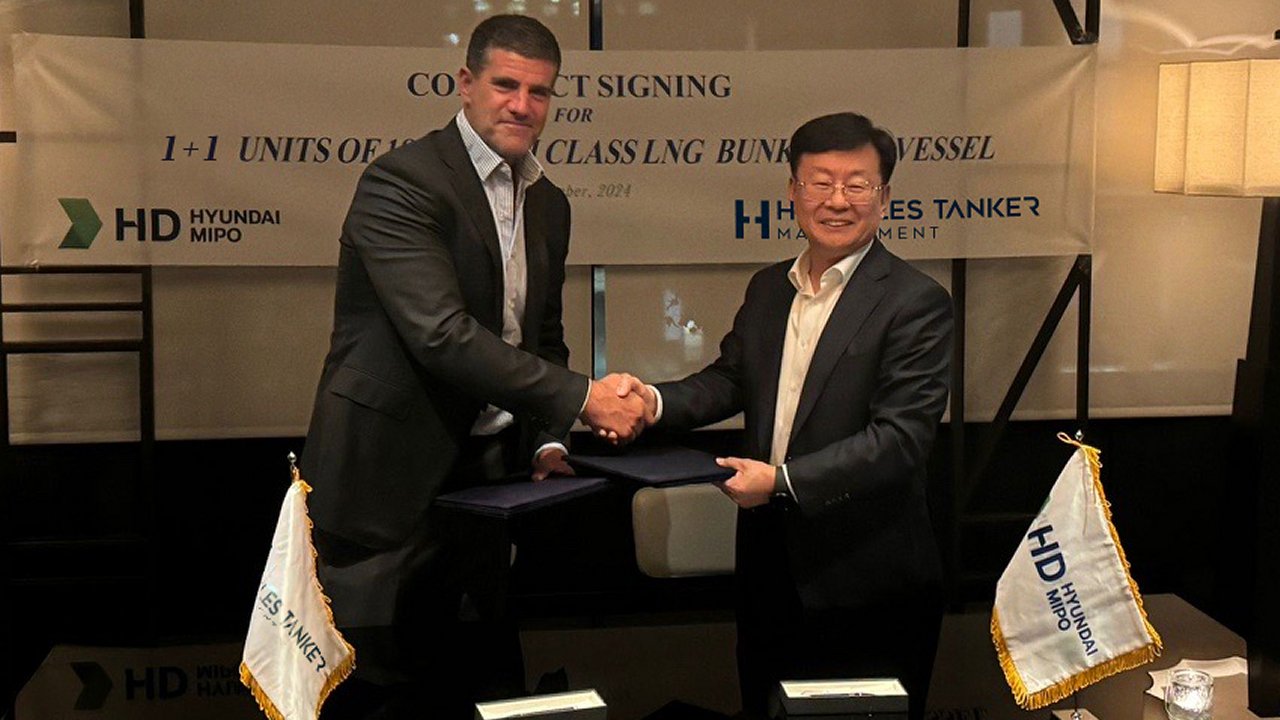
The CEO and founder of bunker supplier Peninsula, John Bassadone, has signed an agreement with Hyundai Mipo Dockyard through his private shipping company, Hercules Tanker Management, to construct an 18,000-cbm dedicated LNG and bio-LNG bunkering vessel.
The new ship is due to be delivered in 2027 and deployed via Peninsula; and the agreement includes an option for the construction of a second vessel.
Peninsula has been operating the 12,500-cbm LNG bunkering vessel 'Levante LNG' since October 2023. The firm already supplies LNG as marine fuel to multiple customers across the Strait of Gibraltar and Western Mediterranean, including Royal Caribbean, Eastern Pacific, K-Line and MSC.
Commenting on the newbuild, Bassadone said: "The close working partnership between our own technical experts and Hyundai Mipo, one of the leaders in LNG bunkering vessel construction, will deliver a best-in-class ship, with no expense spared, to deliver optimal solutions for global shipping."
As regards the use of natural gas, Bassadone remarked: "LNG is one of the few lower-emission marine fuels available for commercially viable use today. Since the launch of Levante LNG, we have seen a significant increase in the LNG-capable global fleet, with many more vessels scheduled for launch in the coming years. We are investing today to maintain decarbonisation momentum tomorrow."
Nacho de Miguel, Head of Alternative Fuels & Sustainability at Peninsula, added: "Our LNG business has been carefully built over the past four years and this new vessel will enable us to further expand our global LNG supply footprint. Our experience and knowledge on LNG as a viable, lower-carbon fuel puts Peninsula in a strong position to meet future customer demand, and I look forward to welcoming the new vessel to the fleet in due course."
|
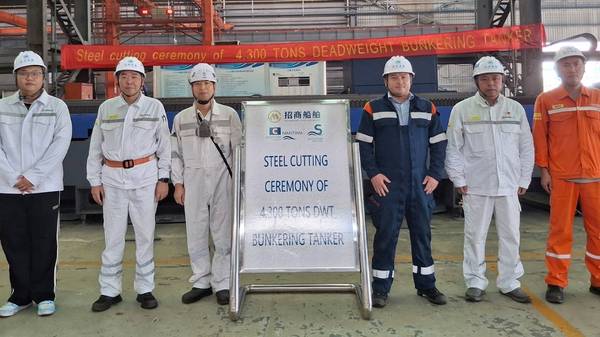
Maritima holds steel-cutting ceremony for Cap Morgiou, first of two Petroineos bunker vessels
Construction starts on bunker vessel able to carry conventional and low-carbon marine fuels, with delivery expected in early 2028. |
|
|
|
||
|
Singapore launches series of measures at SIBCON 2026
MPA announces LNG storage licences, digital bunkering grants and electric harbour craft incentives at 24th conference. |
|
|
|
||
|
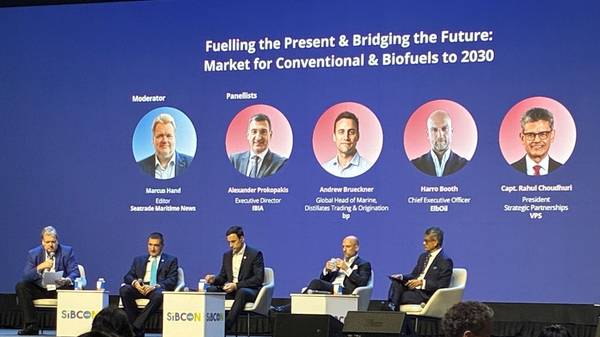
VPS outlines marine fuel standards and quality data at SIBCON 2026
VPS's Rahul Choudhuri addresses Singapore's evolving fuel standards and the quality of conventional fuels and biofuels. |
|
|
|
||
|
Singapore launches ammonia bunkering code and new standards for fuel sampling and polymer testing
MPA and Enterprise Singapore introduce one standard and two technical references at SIBCON. |
|
|
|
||
|
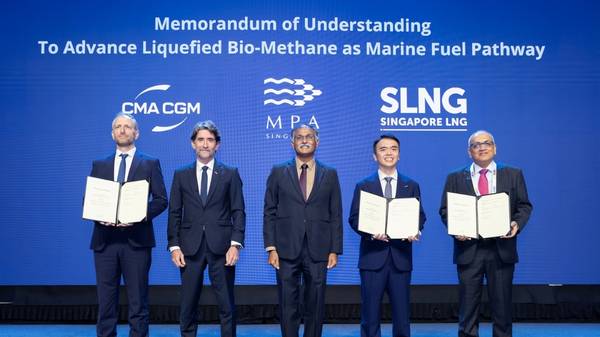
MPA, CMA CGM and SLNG sign MoU to explore liquefied biomethane as a marine fuel in Singapore
Three-way agreement will examine certification, supply and bunkering of LBM using Singapore's existing LNG infrastructure. |
|
|
|
||
|
ROC wins order for PSVs featuring replaceable containerised battery system
Nantong Rainbow Offshore secures 1+1 contract for 4,000 DWT platform supply vessels. |
|
|
|
||
|
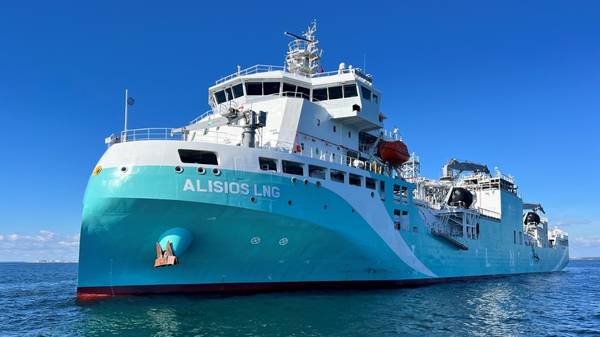
Axpo completes first LNG bunkering in Valencia, with over half bio-LNG
Ship-to-ship transfer to a container vessel makes Valencia the company's fourth Spanish port for LNG bunkering. |
|
|
|
||
|
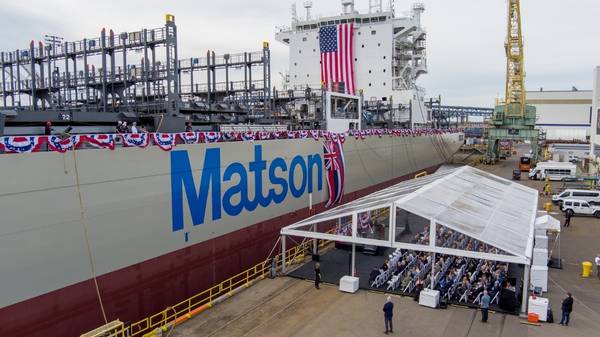
Matson christens Makua, first of three LNG-ready Aloha Class container ships
Dual-fuel vessel, due for delivery in early 2027, is the first of three ships worth around $1bn. |
|
|
|
||
|
CMB.Tech seeks Singapore-based ammonia operations manager for Asia Pacific
New hire will oversee ammonia chartering and bunkering and liaise with Far East partners. |
|
|
|
||
|
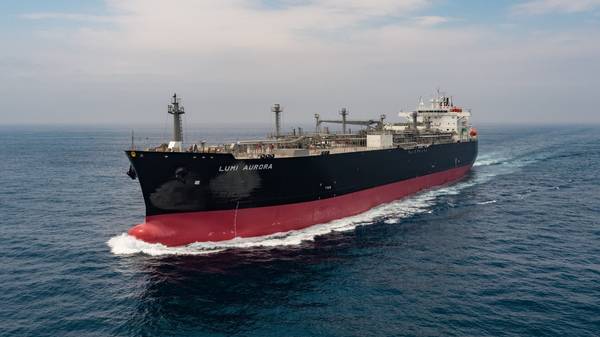
IINO Lines deploys first Ice Class IB VLGC on long-term charter to Borouge International
LPG-fuelled Lumi Aurora will carry North American gas to Borouge International's Porvoo plant in Finland. |
|
|
|
||
| Peninsula confirms maiden B30 deal in Zeebrugge [News & Insights] |
| Peninsula launches B100 bunker vessel in Barcelona [News & Insights] |
| Maritima holds steel-cutting ceremony for Cap Morgiou, first of two Petroineos bunker vessels [News & Insights] |
| ROC wins order for PSVs featuring replaceable containerised battery system [News & Insights] |
| Axpo completes first LNG bunkering in Valencia, with over half bio-LNG [News & Insights] |
| Matson christens Makua, first of three LNG-ready Aloha Class container ships [News & Insights] |
| IINO Lines deploys first Ice Class IB VLGC on long-term charter to Borouge International [News & Insights] |
