
 |
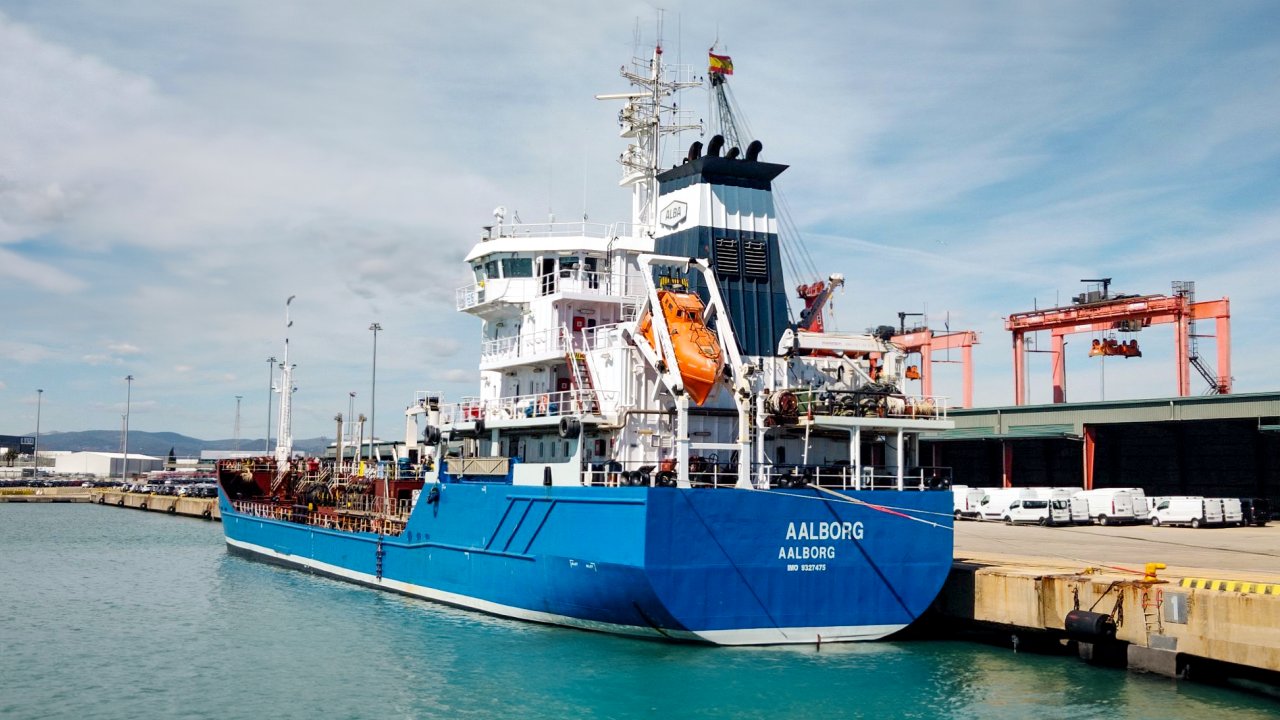
Physical bunker supplier Peninsula has added the IMO II chemical tanker Aalborg to its sustainable fuel distribution capacity in the Western Mediterranean.
The vessel is capable of supplying 100% biofuels (B100), in contrast to traditional fuel barges that cannot exceed a bio component of 25%. It supplies fatty acid methyl esters ( FAME) produced from vegetable oils and allows for neutral emissions (depending on the origin of these vegetable oils), thereby reducing a receiving vessel’s carbon footprint.
The Aalborg's ability to blend multiple bio feedstocks and traditional fuels on board, together with a certificate detailing the bio component percentage, will enable ship owners to comply with impending Fuel EU Maritime regulation using the same engine.
Alejandro Morales Moreno, Supply Manager at Peninsula, emphasised the collaborative efforts between Peninsula and the Port of Barcelona, highlighting a shared vision for emissions reduction. He noted: "The addition of the Aalborg creates a meaningful, new decarbonisation solution for our customers and we're grateful to the Port Authority for facilitating its deployment in Barcelona."
Lluís Salvadó, president of the Port of Barcelona, remarked: "The importance of having a biofuel supply vessel permitted to supply up to 100% bio component, will provide Port of Barcelona users with a solution to decarbonise their activity and to fully comply with EU regulations. The Port of Barcelona, as part of its Energy Transition Plan, is committed to transition and alternative fuels such as LNG, green methanol or green ammonia, as well as biofuels, which will help to reduce the maritime sector's carbon footprint."
|
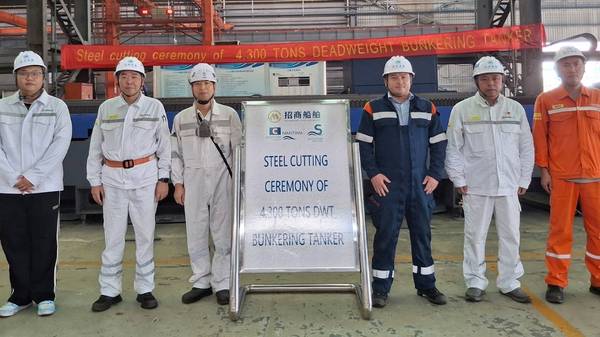
Maritima holds steel-cutting ceremony for Cap Morgiou, first of two Petroineos bunker vessels
Construction starts on bunker vessel able to carry conventional and low-carbon marine fuels, with delivery expected in early 2028. |
|
|
|
||
|
Singapore launches series of measures at SIBCON 2026
MPA announces LNG storage licences, digital bunkering grants and electric harbour craft incentives at 24th conference. |
|
|
|
||
|
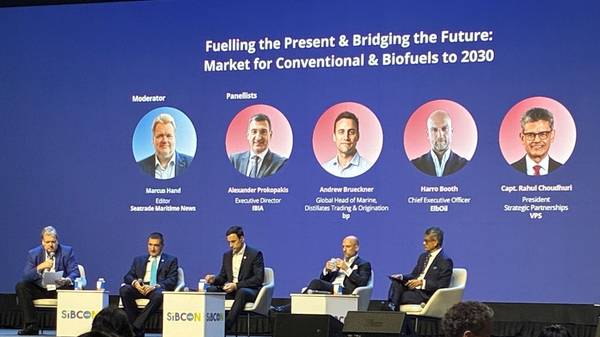
VPS outlines marine fuel standards and quality data at SIBCON 2026
VPS's Rahul Choudhuri addresses Singapore's evolving fuel standards and the quality of conventional fuels and biofuels. |
|
|
|
||
|
Singapore launches ammonia bunkering code and new standards for fuel sampling and polymer testing
MPA and Enterprise Singapore introduce one standard and two technical references at SIBCON. |
|
|
|
||
|
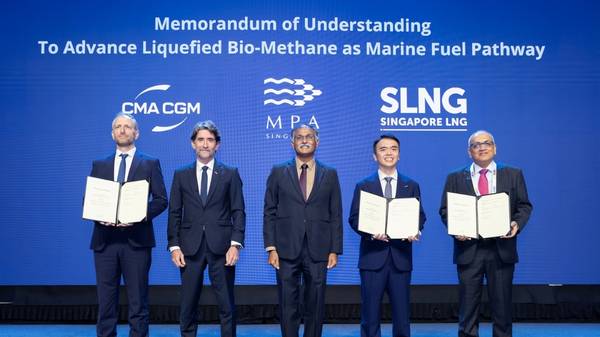
MPA, CMA CGM and SLNG sign MoU to explore liquefied biomethane as a marine fuel in Singapore
Three-way agreement will examine certification, supply and bunkering of LBM using Singapore's existing LNG infrastructure. |
|
|
|
||
|
ROC wins order for PSVs featuring replaceable containerised battery system
Nantong Rainbow Offshore secures 1+1 contract for 4,000 DWT platform supply vessels. |
|
|
|
||
|
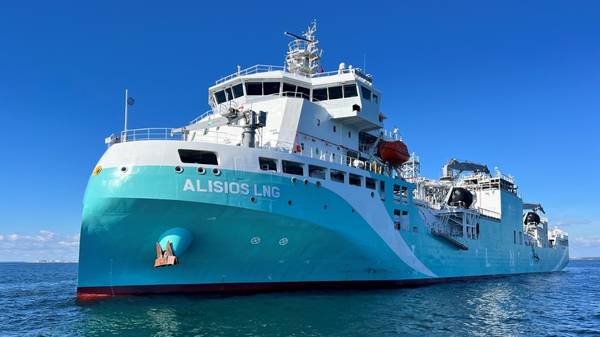
Axpo completes first LNG bunkering in Valencia, with over half bio-LNG
Ship-to-ship transfer to a container vessel makes Valencia the company's fourth Spanish port for LNG bunkering. |
|
|
|
||
|
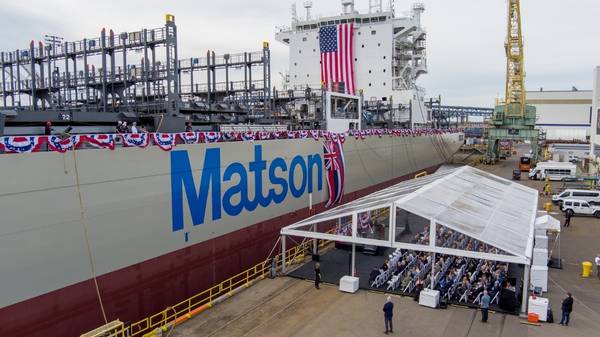
Matson christens Makua, first of three LNG-ready Aloha Class container ships
Dual-fuel vessel, due for delivery in early 2027, is the first of three ships worth around $1bn. |
|
|
|
||
|
CMB.Tech seeks Singapore-based ammonia operations manager for Asia Pacific
New hire will oversee ammonia chartering and bunkering and liaise with Far East partners. |
|
|
|
||
|
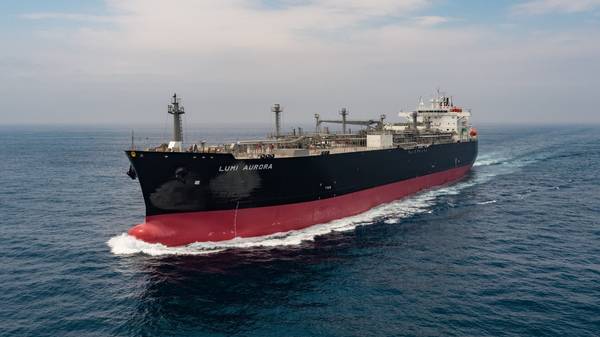
IINO Lines deploys first Ice Class IB VLGC on long-term charter to Borouge International
LPG-fuelled Lumi Aurora will carry North American gas to Borouge International's Porvoo plant in Finland. |
|
|
|
||
| Med ECA approved; zero 2050 target gains traction [News & Insights] |
| Wagenborg launches first EasyMax 2.0 vessel, prepared for methanol, ammonia and LNG [News & Insights] |
| ClearMariner expands maritime sanctions screening with ESG, emissions and API support [News & Insights] |
| New Times Shipbuilding launches 299,500-DWT LNG dual-fuel crude oil tanker [News & Insights] |
| Changhong International launches fifth 115,000-tonne product tanker for Navios [News & Insights] |
| Peninsula welcomes 2026 graduate cohort across global bunkering network [News & Insights] |
