
| 2016 | Total | 500cst | 380cst | MGO | MGO LS |
| Jan | 4,164.5 | 723.7 | 3,204.3 | 76.4 | 84.5 |
| Feb | 3,510.0 | 664.7 | 2,635.1 | 62.6 | 82.6 |
| Mar | 4,149.8 | 792.3 | 3,130.0 | 78.2 | 87.5 |
| Apr | 4,109.7 | 751.2 | 3,068.8 | 91.0 | 127.6 |
| May | 4,363.7 | 899.4 | 3,229.9 | 81.6 | 101.3 |
| Jun | 4,086.4 | 894.7 | 2,981.6 | 68.0 | 85.6 |
| Jul | 4,115.0 | 857.8 | 3,046.0 | 67.5 | 92.2 |
| Aug | 4,228.0 | 897.7 | 3,116.6 | 68.8 | 86.0 |
| Sep | 3,831.0 | 845.6 | 2,759.6 | 68.6 | 92.1 |
| Total | 36,558.1 | 7,327.1 | 27,172.4 | 662.7 | 843.4 |
| 2015 | Total | 500cst | 380cst | 180cst | MGO |
| Jan | 3,680.1 | 676.7 | 2,763.1 | 69.2 | 86.9 |
| Feb | 3,396.0 | 694.4 | 2,490.1 | 59.4 | 82.9 |
| Mar | 3,577.5 | 721.4 | 2,650.5 | 56.1 | 83.6 |
| Apr | 3,665.9 | 726.3 | 2,741.5 | 49.4 | 81.6 |
| May | 3,707.2 | 704.9 | 2,803.9 | 51.0 | 79.5 |
| Jun | 3,536.0 | 725.8 | 2,620.4 | 53.8 | 70.1 |
| Jul | 3,785.3 | 681.9 | 2,906.4 | 60.7 | 77.0 |
| Aug | 4,287.8 | 774.8 | 3,295.6 | 64.3 | 70.4 |
| Sep | 3,847.7 | 736.8 | 2,908.7 | 49.6 | 84.6 |
| Oct | 3,637.0 | 576.0 | 2,849.1 | 57.0 | 87.2 |
| Nov | 3,984.0 | 820.0 | 2,977.4 | 48.6 | 68.1 |
| Dec | 4,051.2 | 759.8 | 3,100.1 | 54.4 | 64.2 |
| Total | 45,155.6 | 8,598.8 | 34,106.8 | 673.5 | 936.1 |
|
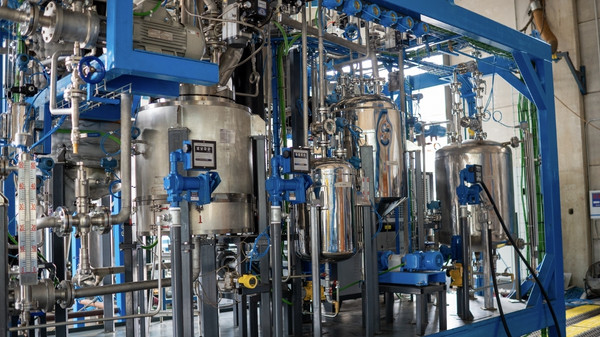
XFuel secures EUR 4.1m Catalonia grant for waste-derived marine fuel plant
Spanish start-up wins funding to build a modular facility converting waste oils into low-carbon marine gas oil. |
|
|
|
||
|
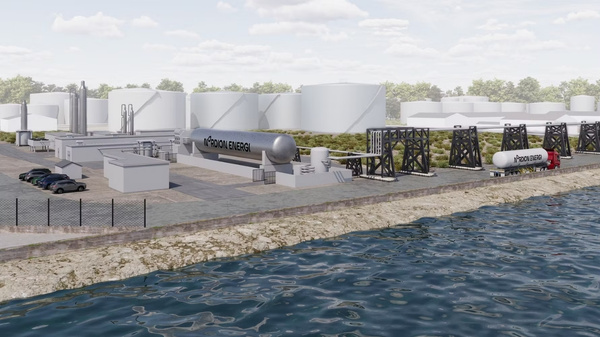
Construction begins on liquefied biogas facility at Port of Gothenburg
Nordion Energi's new plant aims to open up Swedish biogas supply to shipping and other sectors beyond the gas grid. |
|
|
|
||
|
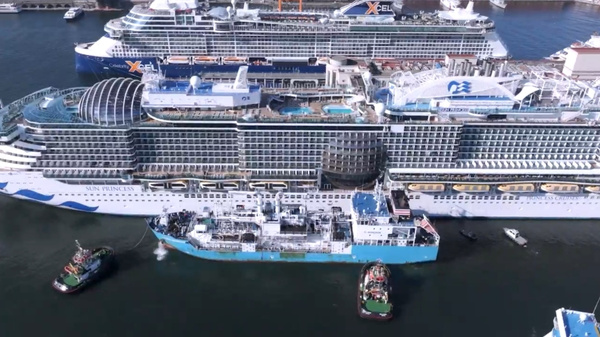
Axpo completes first LNG bunkering of cruise ship at port of Naples
Sun Princess bunkered at Naples, marking the first LNG operation on a cruise vessel at the Italian port. |
|
|
|
||
|
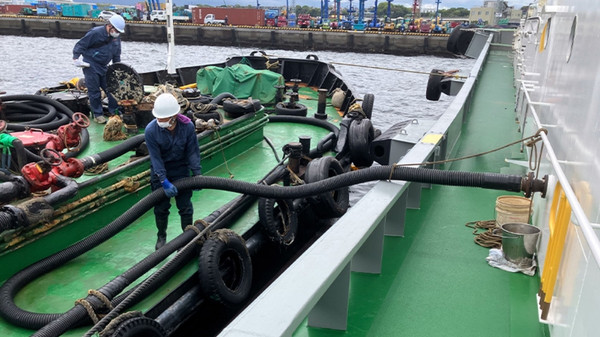
Kamei Corporation begins Japan’s first ship-to-ship HVO supply at Keihin Port
Japanese energy company launches HVO bunkering operation using drop-in biodiesel fuel brand Susteo. |
|
|
|
||

|
SSA launches green fuels training course ahead of low-carbon transition
The Singapore Shipping Association has introduced a course covering alternative marine fuels and emissions frameworks. |
|
|
|
||

|
The Nautical Institute launches bunkering and engineering assessors course
New programme targets behavioural competency and human factors in high-risk shipboard operations. |
|
|
|
||
|
Global Fuel Supply rebrands as Blue Energy Partners
Copenhagen-founded marine energy company adopts new name reflecting expanded product and geographic reach. |
|
|
|
||
|
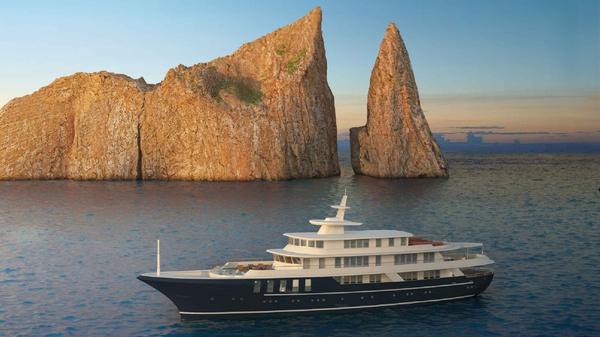
ABB retrofits expedition yacht with hybrid-electric propulsion for Galápagos operations
The conversion will make the 1970s-built vessel the first hybrid-electric yacht of its type in the archipelago, says ABB. |
|
|
|
||
|
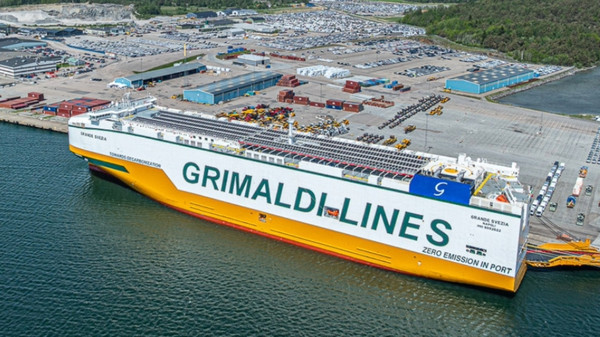
Grimaldi christens ammonia-ready car carrier Grande Svezia at Swedish port
Grimaldi Group's new PCTC, delivered in December 2025, claims fuel savings of up to 50%. |
|
|
|
||
|
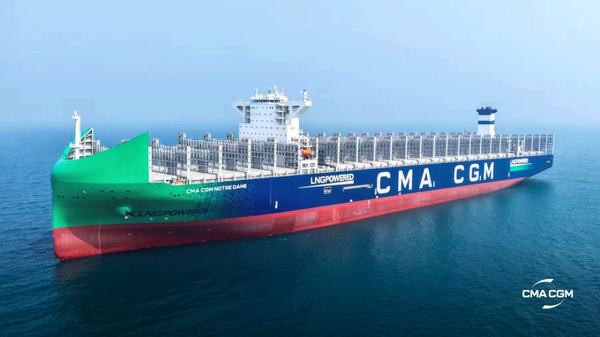
CMA CGM Notre Dame sets sail as world’s largest LNG-powered container ship
The 24,212-teu vessel leads a series of ten next-generation French-flagged ships. |
|
|
|
||
| Hormuz Marine receives GCC recognition as bunkering provider [News & Insights] |
| Biodiesel cuts black carbon emissions by up to 81% in shipping trial [News & Insights] |
| Aurora Expeditions claims 90% GHG reduction in landmark HVO trials [News & Insights] |
| 2025 Marine Fuel Review | Steve Bee, VPS [News & Insights] |
| Wallenius Sol joins Gasum's FuelEU Maritime compliance pool as bio-LNG generator [News & Insights] |

