
 |
The Nautical Institute Academy has launched an Engineering and Bunkering Assessors course aimed at helping maritime professionals carry out more effective assessments in high-risk shipboard environments, including engineering, mooring and bunkering operations.
The course, which was developed by industry professionals following a pilot phase, responds to what the organisation describes as growing industry demand for assessors capable of evaluating not only technical compliance but also behavioural competency, communication and operational performance.
According to The Nautical Institute, shipping companies are placing increasing emphasis on meaningful onboard assessments as regulatory expectations, vetting programmes and competency assurance systems continue to evolve.
The programme is aimed at engineers, experienced officers, safety officers, auditors, technical superintendents, marine consultants and surveyors involved in onboard assessments and competency assurance.
Course content covers behavioural traits within engineering operations, the differences between audit and assessment, how to assess safety-critical systems, structured reporting and feedback techniques, mentoring and follow-up processes, and the practical application of the ISM Code through case studies and exercises.
Somiyeh Djavanroodi, Head of Academy at The Nautical Institute, said: "The Engineering and Bunkering Assessors course reflects our commitment to delivering industry-led education that addresses real operational needs. It equips experienced engineers and assessors with the skills to go beyond compliance, combining technical expertise with an understanding of the human element to carry out meaningful and effective shipboard assessments."
Participants who complete the course, assignments and final assessment will receive certification from The Nautical Institute. The first online course is scheduled to run from 15-19 June 2026.
|
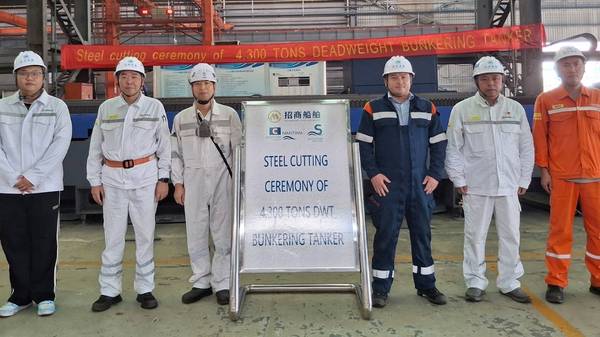
Maritima holds steel-cutting ceremony for Cap Morgiou, first of two Petroineos bunker vessels
Construction starts on bunker vessel able to carry conventional and low-carbon marine fuels, with delivery expected in early 2028. |
|
|
|
||
|
Singapore launches series of measures at SIBCON 2026
MPA announces LNG storage licences, digital bunkering grants and electric harbour craft incentives at 24th conference. |
|
|
|
||
|
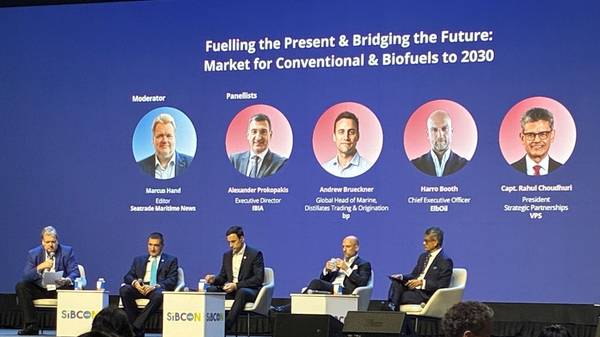
VPS outlines marine fuel standards and quality data at SIBCON 2026
VPS's Rahul Choudhuri addresses Singapore's evolving fuel standards and the quality of conventional fuels and biofuels. |
|
|
|
||
|
Singapore launches ammonia bunkering code and new standards for fuel sampling and polymer testing
MPA and Enterprise Singapore introduce one standard and two technical references at SIBCON. |
|
|
|
||
|
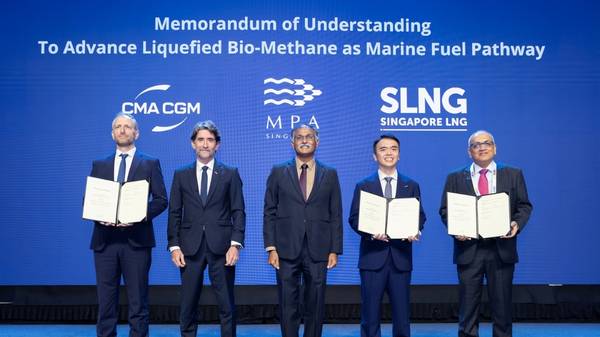
MPA, CMA CGM and SLNG sign MoU to explore liquefied biomethane as a marine fuel in Singapore
Three-way agreement will examine certification, supply and bunkering of LBM using Singapore's existing LNG infrastructure. |
|
|
|
||
|
ROC wins order for PSVs featuring replaceable containerised battery system
Nantong Rainbow Offshore secures 1+1 contract for 4,000 DWT platform supply vessels. |
|
|
|
||
|
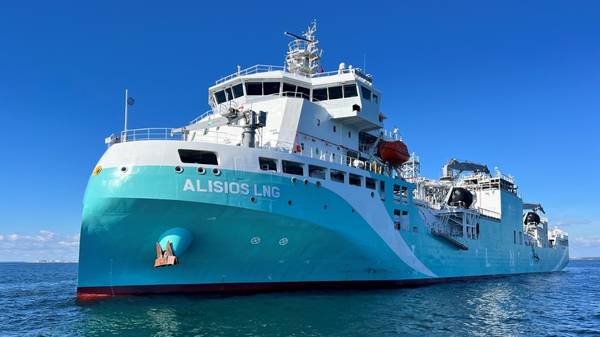
Axpo completes first LNG bunkering in Valencia, with over half bio-LNG
Ship-to-ship transfer to a container vessel makes Valencia the company's fourth Spanish port for LNG bunkering. |
|
|
|
||
|
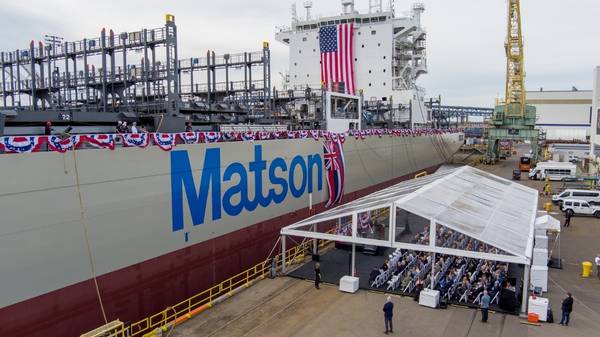
Matson christens Makua, first of three LNG-ready Aloha Class container ships
Dual-fuel vessel, due for delivery in early 2027, is the first of three ships worth around $1bn. |
|
|
|
||
|
CMB.Tech seeks Singapore-based ammonia operations manager for Asia Pacific
New hire will oversee ammonia chartering and bunkering and liaise with Far East partners. |
|
|
|
||
|
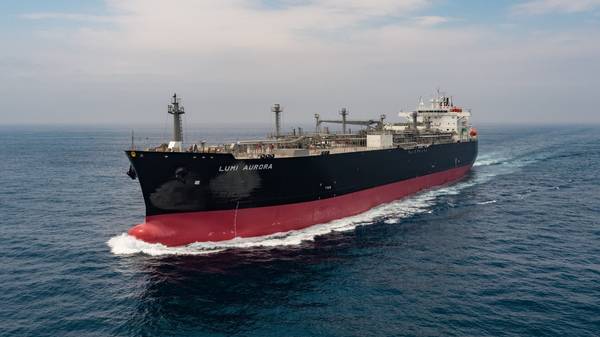
IINO Lines deploys first Ice Class IB VLGC on long-term charter to Borouge International
LPG-fuelled Lumi Aurora will carry North American gas to Borouge International's Porvoo plant in Finland. |
|
|
|
||
| Wagenborg launches first EasyMax 2.0 vessel, prepared for methanol, ammonia and LNG [News & Insights] |
| ClearMariner expands maritime sanctions screening with ESG, emissions and API support [News & Insights] |
| New Times Shipbuilding launches 299,500-DWT LNG dual-fuel crude oil tanker [News & Insights] |
| Changhong International launches fifth 115,000-tonne product tanker for Navios [News & Insights] |
| Pinnacle Marine launches B100-compatible harbour craft Baraka-9 for Trans Wave [News & Insights] |
