
 |
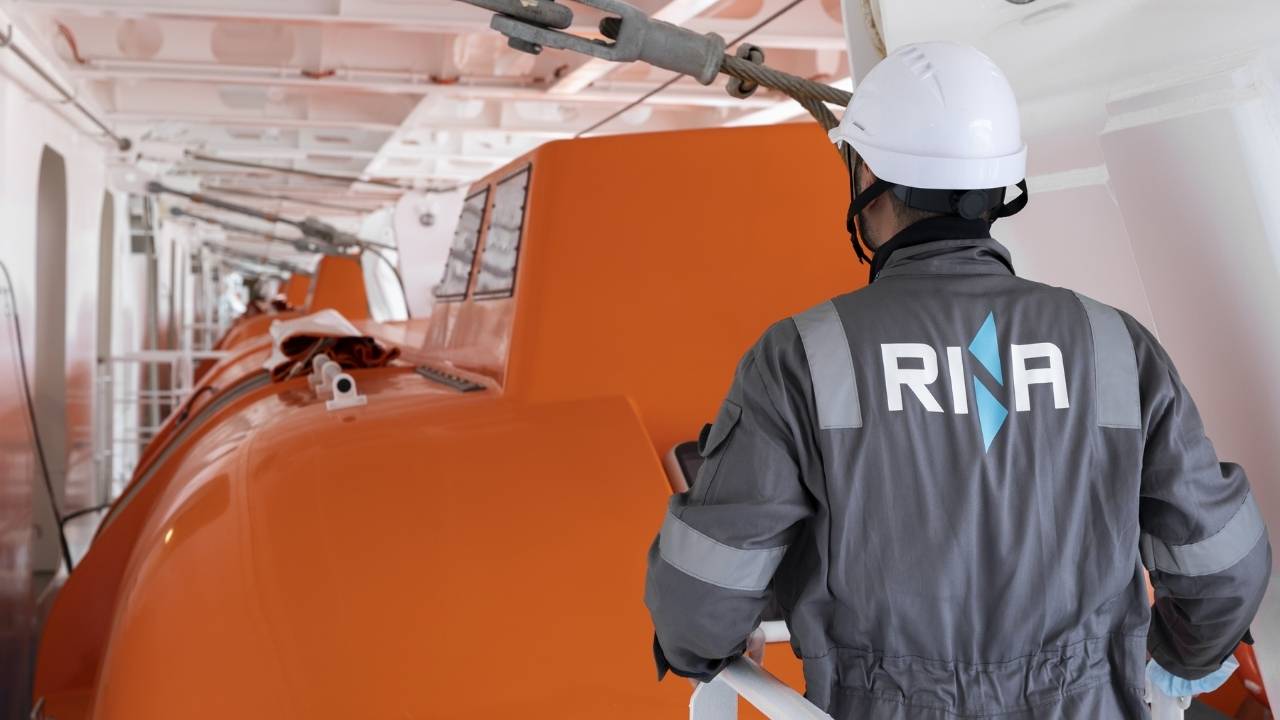
Classification society and engineering consultancy RINA has unveiled a ship propulsion concept called Mermaid, designed to help shipowners reduce fuel consumption and lower emissions while maintaining flexibility as the maritime industry's decarbonisation trajectory continues to evolve.
The concept expands the role of a vessel's two-stroke main engine beyond propulsion, according to RINA, enabling it to serve as the primary source of onboard power and reducing reliance on auxiliary engines. Mermaid combines a shaft generator, propeller shaft clutch and battery energy storage in a propulsion architecture that is claimed to improve efficiency without committing owners to a specific fuel pathway.
When a vessel arrives in port, the propeller is disconnected while the main engine continues generating electrical power. Rather than depending on auxiliary engines to meet onboard demand, Mermaid is said to enable the main engine to supply electrical power directly or charge the batteries. Once charged, the batteries provide onboard power, allowing the main engine to operate at reduced load, cutting fuel consumption and emissions.
The concept also addresses operational conditions arising from slow steaming, which has become more common across major shipping segments. By combining auxiliary engines with battery energy storage in a hybrid propulsion arrangement, the design claims to better match propulsion power to real-world operating conditions, reducing the need to install excess engine capacity while providing an additional source of electrical power.
According to RINA's analysis, Mermaid can reduce fuel consumption by more than 1,000 tonnes per year in certain applications. The company also claims the batteries may deliver safety benefits by enhancing onboard power resilience and reducing the risk of power loss during critical operations.
Antonios Trakakis, energy transition solutions technical director at RINA, noted: "The challenge facing shipowners today is not simply choosing a fuel, particularly as future solutions may emerge that we are not even considering today. It is preparing a vessel for a future that nobody can predict with certainty. Ships being ordered today will still be operating well into the 2050s, so today's decisions need to remain commercially and technically sound for decades."
Trakakis added: "Today there is no consensus on which fuels will dominate the future of shipping. Owners are being presented with multiple possible pathways, each carrying different risks and uncertainties. Mermaid was designed to work whatever the future brings. If the world changes, the ship is ready. If it does not, the economics still work."
RINA says the concept is applicable across a range of vessel types, including tankers, bulk carriers and container ships. It is currently being developed into a fully detailed design following what the company describes as encouraging feedback from shipowners and shipyards.

|
World Fuel seeks marine fuel sales executive in Singapore
Role requires more than five years' experience in bunkering, trading, energy or commodities. |
|
|
|
||
|
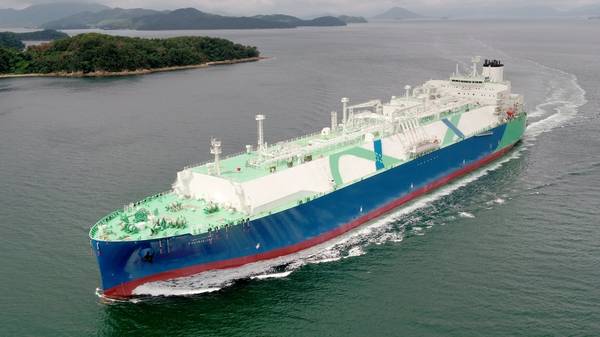
MISC names first of three new LNG carriers for QatarEnergy charter deal
Th'ailib, chartered to QatarEnergy for 15 years, extends MISC's long-term LNG fleet partnership with the energy producer. |
|
|
|
||
|
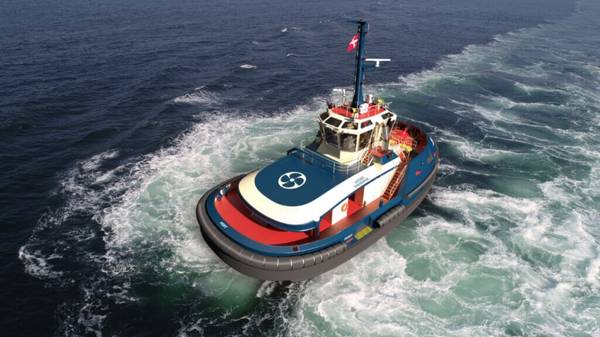
AYK Energy to supply batteries for Kongsberg Maritime’s electric Svitzer tugs
Battery maker AYK Energy expands its workboat portfolio with a deal to power four fully electric Svitzer TRAnsverse tugs. |
|
|
|
||
|
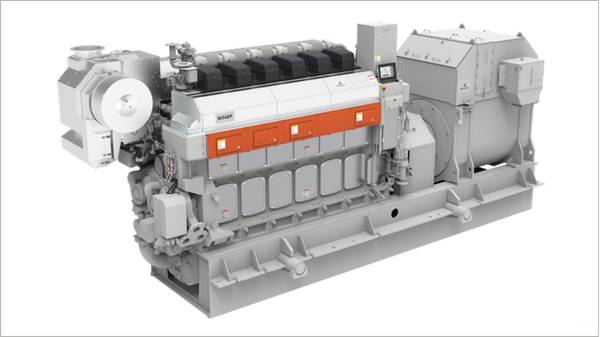
Wärtsilä to supply dual-fuel engines for 12 CMA CGM container ships
Wärtsilä will deliver 36 LNG dual-fuel engines for a dozen new 18,000-TEU container vessels being built for CMA CGM. |
|
|
|
||
|
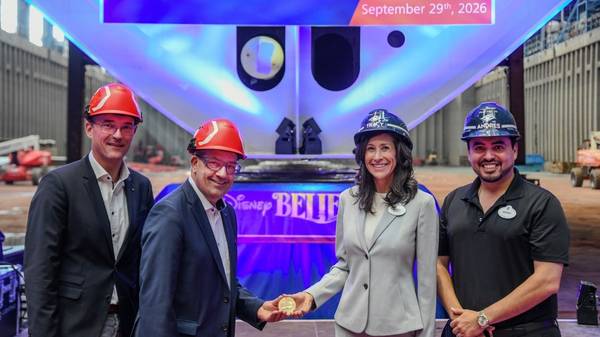
Keel-laying ceremony held for LNG-powered Disney Believe at Meyer Werft
Construction starts on second gigablock of Disney Believe, the fourth vessel in Disney Cruise Line’s Wish class. |
|
|
|
||
|
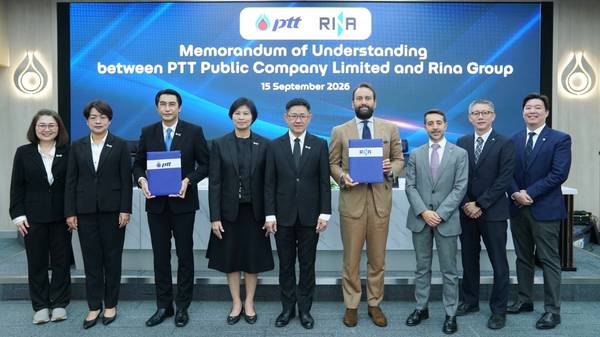
RINA and Thailand’s PTT sign MoUs to collaborate on decarbonisation technologies
Agreements establish a research and knowledge-sharing framework covering alternative fuels, hydrogen readiness and vessel electrification across the energy and maritime sectors. |
|
|
|
||
|
IBIA to host ethanol marine fuel workshop in New York
Limited-capacity session will examine ethanol’s commercial, technical and regulatory prospects as a shipping fuel. |
|
|
|
||

|
Corvus Energy’s Blue Whale NxtGen battery system gains DNV type approval
DNV approval confirms the safety and performance of Corvus Energy’s large-scale battery system for ferries, cruise ships and offshore vessels. |
|
|
|
||
|
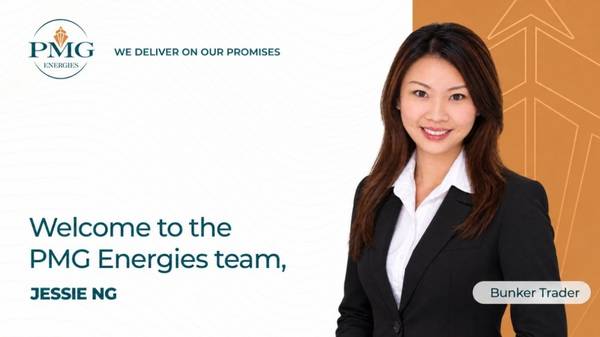
PMG Energies appoints Jessie Ng as bunker trader in Singapore
Bunker firm adds experienced trader to Singapore team. |
|
|
|
||
|
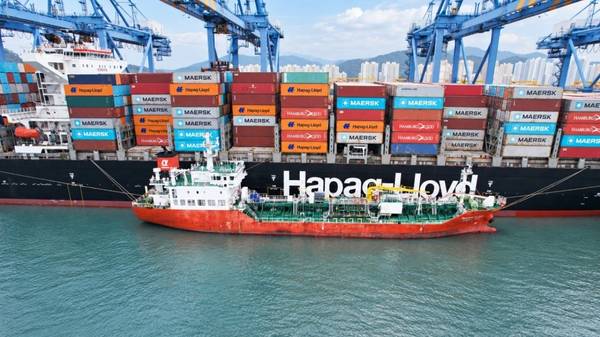
Hapag-Lloyd completes simultaneous-operations biomethanol bunkering in Busan
Container line bunkers ISCC EU-certified biomethanol from Goldwind during SIMOPS, advancing its 2024 supply agreement. |
|
|
|
||
| RINA and Thailand’s PTT sign MoUs to collaborate on decarbonisation technologies [News & Insights] |
| Pinnacle Marine launches B100-compatible harbour craft Baraka-9 for Trans Wave [News & Insights] |
| Pinnacle Marine launches second B100-compatible harbour craft for Les Star [News & Insights] |
| Petrobras launches HSFO bunker sales in Rio de Janeiro [News & Insights] |
| Changhong International launches eighth LNG dual-fuel container ship for MSC [News & Insights] |
