
 |
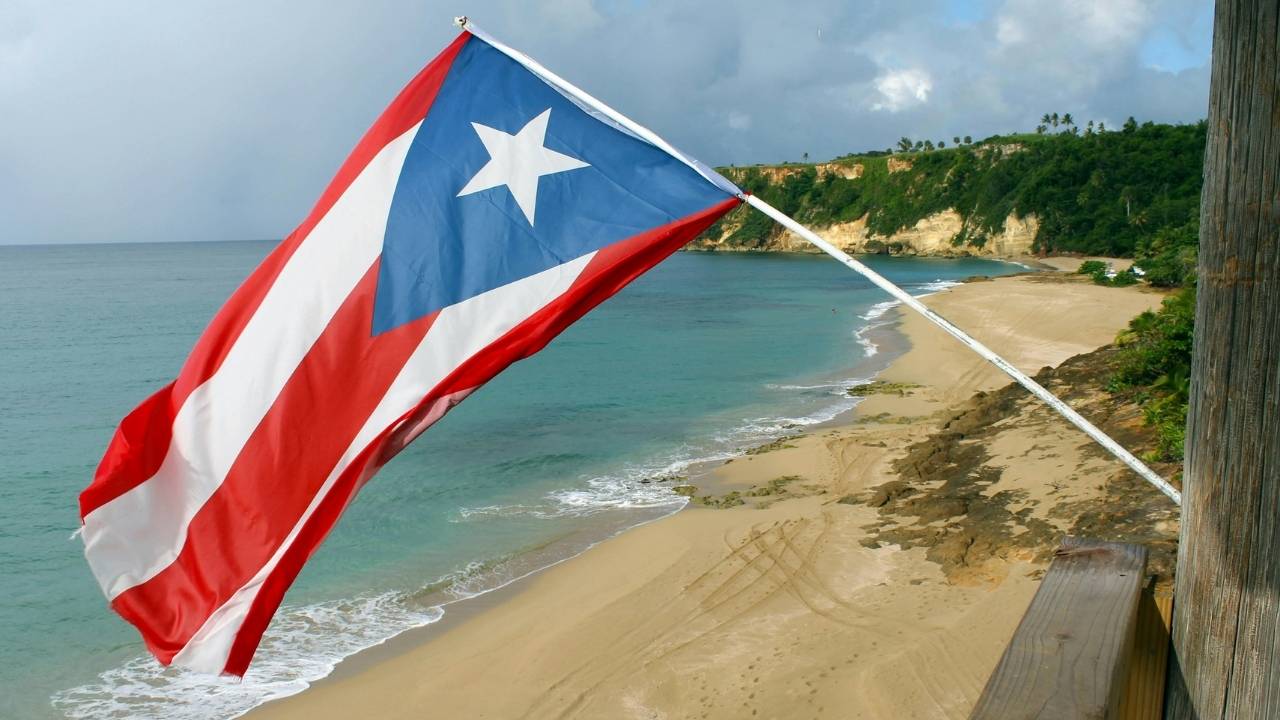
Trafigura-owned Puma Energy publicly confirmed on 25 August that it is supplying marine fuels in Puerto Rico through its local entity, Puerto Rico Energy, offering bunker deliveries at ports across the island via barge, pipeline and truck. It is a development that industry specialists in the region have been aware of for several weeks.
The operation is backed by Puma’s global supply network and is positioned as offering customers a full range of marine fuel grades from a single supplier for all port calls in Puerto Rico.
Puma Energy explained in a LinkedIn post that Puerto Rico Energy combines on-island infrastructure — including terminal storage and island-wide delivery capability — with international sourcing and local commercial support.
Local supplier Harbor Bunkering informed Bunker Index back in July that it had effectively halted the direct sale of marine fuel to shipping clients, with the firm instead performing truck deliveries on behalf of Puerto Rico Energy as part of an agreement.
Puma Energy is inviting customers to contact the bunkering team at PuertoRicoBunkers@energy-latam.com.
Puma Energy is Trafigura’s downstream energy business, supplying and distributing fuels in emerging markets. Its activities include fuel retail and commercial sales, marine and aviation fuel, lubricants and bitumen, supported by a network of retail sites and fuel-storage terminals. Trafigura took control of the firm in 2021 through a recapitalisation and acquisition of Sonangol’s stake.
TFG Marine, meanwhile, is a joint venture between Trafigura, Frontline, and Golden Ocean Group, with bunker supply operations covering Singapore, US Gulf, Long Beach, West and South Africa, Mauritius, Panama, Trinidad and Tobago, Argentina, Brazil, Uruguay, English Channel, Malta, Ceuta, and the Amsterdam-Rotterdam-Antwerp (ARA) region. The business was formed in 2020.
|
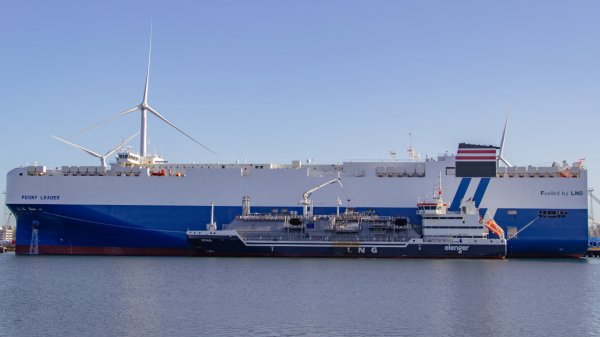
FuelEU pooling drives surge in bio-LNG demand, Titan analysis finds
Clean fuel supplier's modelling shows pooling mechanism turning overcompliance into tradable value for LNG-fuelled ships. |
|
|
|
||
|
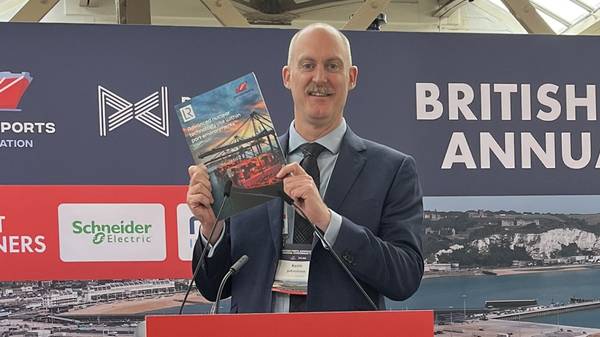
Ports told to prepare now for advanced nuclear power
Joint paper sets out a readiness pathway for ports facing nuclear-powered vessels, floating reactors and small modular units |
|
|
|
||
|
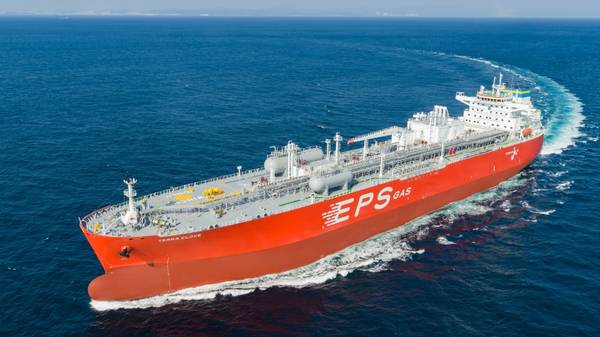
Eastern Pacific Shipping takes delivery of first ammonia dual-fuel VLAC
Terra Clove powered by first Everllence B&W 6G60ME-C10.5-LGIA ammonia dual-fuel two-stroke engine. |
|
|
|
||
|
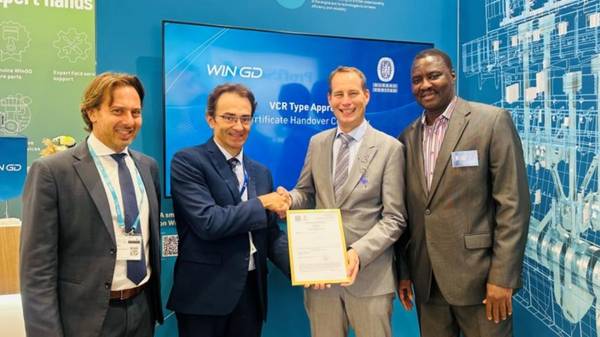
Bureau Veritas approves WinGD's variable compression ratio technology for dual-fuel engines
Classification society grants type approval to engine technology enabling compression ratio adjustment across different marine fuels. |
|
|
|
||
|
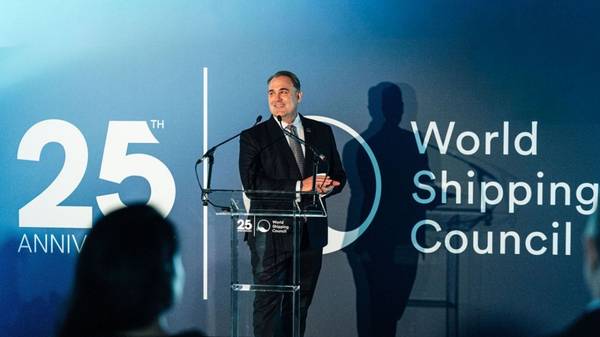
Dual-fuel fleet passes 500 ships as investment tops $200bn
World Shipping Council data shows dual-fuel container ships and vehicle carriers growing fast, with IMO rules uncertain. |
|
|
|
||

|
VPS to host Athens seminar on fuel efficiency and carbon reduction
VPS's final European round table of 2026 will cover marine fuels, lubricants and decarbonisation in Athens. |
|
|
|
||
|
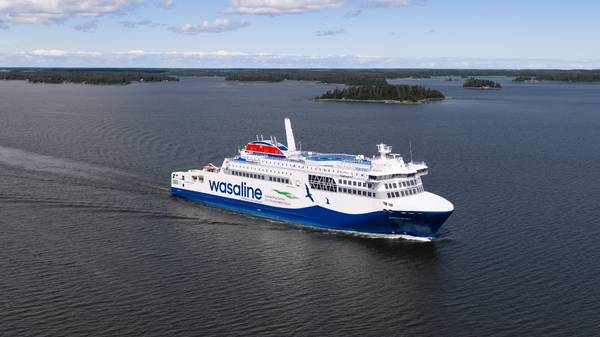
Wasaline secures locally produced biogas supply from St1 Biokraft for Vaasa–Umeå ferry
Agreement will supply 42 GWh of liquefied biogas annually, with deliveries due to start in January 2028. |
|
|
|
||
|
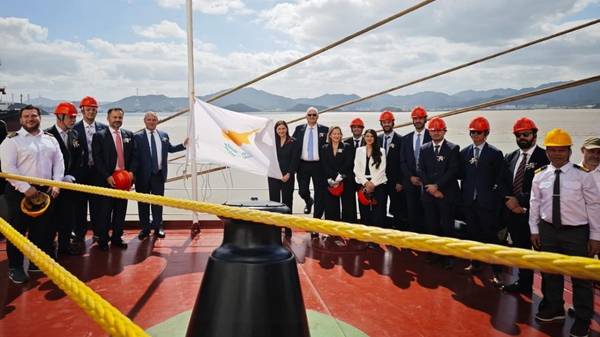
Safe Bulkers takes delivery of first dual-fuel methanol Kamsarmax newbuild
Kypros Island becomes the first dual-fuel bulker to enter the Cyprus Registry. |
|
|
|
||

|
PetroChina seeks LNG bunker trader to expand Asian marine fuel business
Role requires five to ten years of commercial experience in LNG, bunker trading, marine fuels, commodities, or energy trading. |
|
|
|
||
|
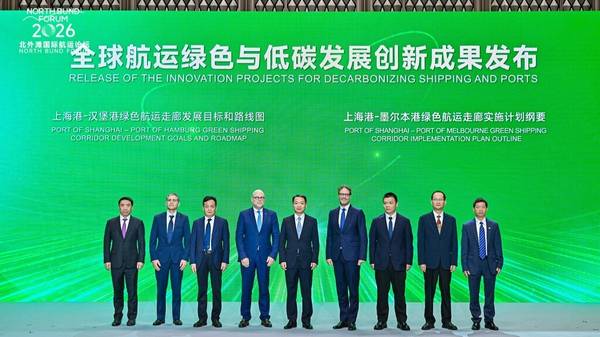
Shanghai and Melbourne ports move green shipping corridor into delivery phase
Ports launch implementation plan targeting green methanol, biofuels and shore power by 2035. |
|
|
|
||
| Shanghai and Melbourne ports move green shipping corridor into delivery phase [News & Insights] |
| Pinnacle Marine launches two B100-compatible utility boats for Excelessel Offshore [News & Insights] |
| Singapore completes world's largest ethanol bunkering operation [News & Insights] |
| WinGD engine completes first in-service ethanol voyage on Maersk container ship [News & Insights] |
| World's first ship-to-ship green ammonia bunkering operation completed in China [News & Insights] |
