
|
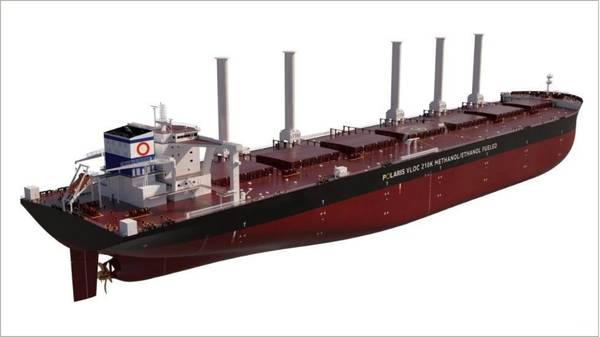
CSSC units sign contract for four tri-fuel ore carriers
Ships feature a tri-fuel propulsion system combining ethanol, methanol and fuel oil. |
|
|
|
||

|
Bunker One seeks oil derivatives trader for Houston desk
New hire to work alongside trading and sales, providing hedging solutions for physical exposure. |
|
|
|
||
|
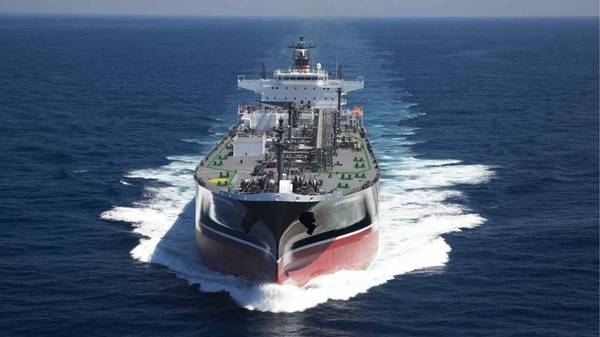
Kawasaki delivers 13th LPG-fuelled LPG/ammonia carrier
86,700-cbm vessel is shipbuilder's 20th delivery featuring LPG-fuel propulsion. |
|
|
|
||
|
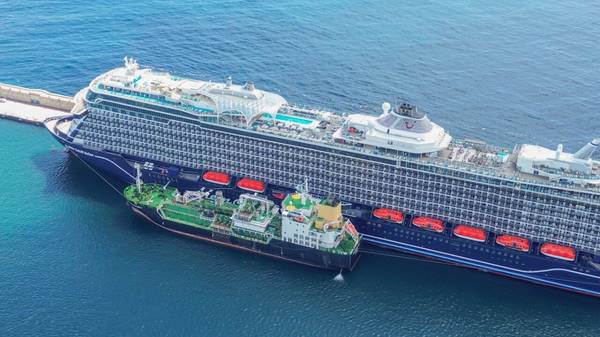
TUI Cruises puts both InTUItion-class ships on bio-LNG as fleet targets 50,000-tonne CO₂e saving in 2026
German cruise operator says bio-LNG use across two newbuilds has already cut 26,000 tonnes of CO₂e. |
|
|
|
||
|
MCE Marine Surveyors seeks bunker surveyor in Rotterdam amid growing demand
Liquid bulk surveyor certificate listed as a preference, as is prior experience in a bunker surveyor role. |
|
|
|
||
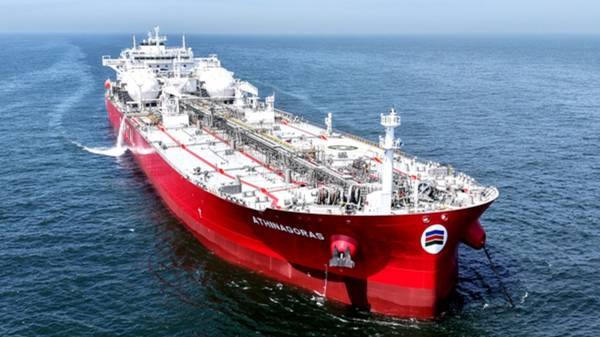
|
LNG dual-fuel tanker delivered to Capital Ship Management
Vessel one of two handed over to Greek operators on the same day. |
|
|
|
||

|
Auramarine seeks quality specialist to unify European and Asian management systems
Finnish fuel supply system maker is recruiting a quality specialist to harmonise its global operations. |
|
|
|
||
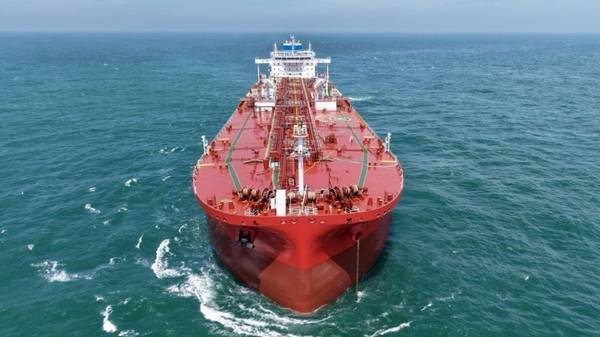
|
Navios Maritime Partners takes delivery of LNG- and methanol-ready Aframax tanker
117,012-dwt Nave Orbit features alternative-fuel readiness and energy-efficiency technology. |
|
|
|
||
|
PetroChina International seeks bunker sales manager to drive European growth
Chinese state-owned energy trader targets ARA expansion with new commercial hire. |
|
|
|
||
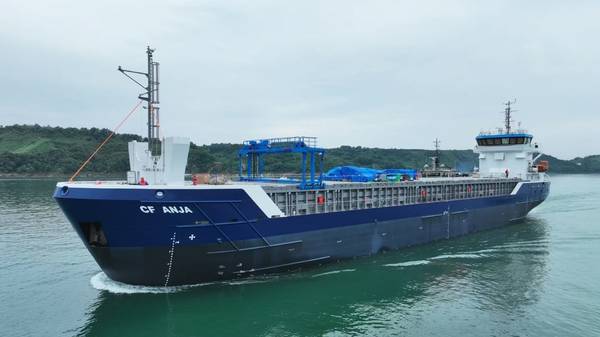
|
Damen delivers HVO-ready CF 3850 to Lithuania’s Juru Agentura Forsa
CF Anja marks the first newbuild vessel in Forsa’s dry cargo fleet. |
|
|
|
||
| Approval for bunker vessel capable of supplying LNG to containerships [News & Insights] |
| Green light for bunker vessel pressure tank concept [News & Insights] |
| Cepsa to supply LNG via Europe's first multi-product barge [News & Insights] |
| Wärtsilä and Carnival Corporation sign 8-year lifecycle agreement for LNG-fuelled cruise vessels [News & Insights] |
| CMA CGM signs letter of intent for six LNG-powered containerships from Indian shipyard [News & Insights] |
| UK P&I Club joins SEA-LNG coalition to support LNG marine fuel adoption [News & Insights] |
| Japan completes first ship-to-ship methanol bunkering at anchorage in Yokohama [News & Insights] |
| MOL signs bio-LNG supply deals for car carriers across Northern Europe and Mediterranean [News & Insights] |

