In today’s rapidly evolving marine fuel landscape, fast turnaround times for bunker fuel analysis have never been more critical.
Stricter environmental regulations and wider use of alternative fuels has generated increasingly complex marine fuel types and chemistries. In combination with volatile global supply chains and ongoing geopolitical instability, the need for ship operators and technical managers to have rapid and reliable fuel quality intelligence is increasingly important to protect their vessels, crew, operations, and commercial interests.
Following the introduction of IMO 2020, followed by further global and regional environmental legislation geared towards IMO2030/50, there has been a continuous development of lower-sulphur and low-carbon marine fuels, resulting in fuel quality variability across the global bunker market. Different blend components, cutter stocks, additives and bio-components can result in highly variable fuel behaviour and operational compatibility challenges.
At the same time, geopolitical developments continue to reshape global energy and bunker supply chains. Traditional product flows and refinery sourcing routes are changing, creating additional uncertainty around bunker fuel composition and quality consistency. Notably in 2026, the off-specification rate of fuels to relevant ISO8217 standards increased to 8.5%, from 6.8% during 2025.
Against this backdrop, timely fuel quality testing by an accredited laboratory is essential and remains one of the most effective tools available to ship operators, as advised by all major P&I Clubs. This helps to mitigate operational and financial risk by validating against ISO8217 specifications and providing operational guidance to onboard crew for effective handing and use.
Importance of Speedy Results
Fast turnaround time is critical for several reasons:
The total turnaround time of a bunker sample is driven by a number of processes beginning with fuel delivery to the vessel and involves multiple critical stages:
1. Ensuring the taking of a representative fuel sample, (via a VPS manual drip sampler fitted at the vessel manifold).
2. Transfer of the sample to the local agent.
3. Sample Transfer via Courier to the laboratory.
4. Sample registration and laboratory analysis according to ISO8217 and additional testing requirements.
5. Technical review, interpretation and operational advice.
6. Report test results and advisory comments.
In many cases, the transportation phase alone may consume several days before the sample even arrives at the laboratory.
How VPS Ensures Faster Turnaround Times
VPS has developed a fully integrated global fuel testing and advisory infrastructure, which currently boasts 93% of samples are reported within one working day from receipt in the laboratory.
SampLogic – Accelerating Sample Logistics to speed up transfer of sample to Lab
The VPS SampLogic platform is an online logistics and tracking solution designed specifically for marine fuel sample transportation, which is free for VPS customers and can save at least one full day on sample transportation.
SampLogic enables:
By reducing manual processes and improving shipment transparency, SampLogic helps minimise transportation delays and accelerates the overall testing process.
Strategic Global Laboratory Network
VPS operates a global network of wholly-owned, ISO17025 accredited, marine fuel testing laboratories strategically located across the world’s major bunkering hubs in order to support the needs of our shipping customers.
The laboratories positioning further reduces sample transfer times whilst also providing important operational resilience and redundancy. During periods of geopolitical disruption, natural disasters, strikes or unexpected regional events, samples can be redirected within the VPS laboratory network to maintain continuity and avoid delays.
Technical Advisory Support
Analytical results alone are not sufficient in terms of assessing fuel-related operational requirements, fuel management and handling, or environmental compliance. It is the expert and experienced interpretation and advisory guidance which is where the major added-value is delivered to vessels from any fuel testing service.
VPS technical advisors and marine engineers located across the global laboratory network support customers with:
Where urgent fuel quality concerns are identified, VPS technical teams proactively contact customers to support immediate operational decision-making, with samples and results able to be progressed at pace, with VPS having supported numerous vessels in providing urgent results in the same working day to meet operational needs.
24/7 Digital Access Through VeriSphere
Through the VPS VeriSphere digital ecosystem, customers have continuous access to:
This provides technical managers and vessel operators with rapid access to critical information anytime and anywhere.
In addition, the unique VPS PortStats, MyFuels and MySeparators, on-line applications within Verisphere, can provide deeper insights into global and regional fuel quality and key procurement indicators, plus operational and purifier performance improvements.
Conclusion
In the current climate, bunker fuel analysis is no longer simply a compliance exercise — it is an essential operational and procurement risk management tool.
As marine fuels continue to evolve and global supply chains become increasingly dynamic and unpredictable, rapid and reliable fuel quality intelligence is critical to protecting vessels, machinery, operations and commercial performance.
Minimising the total turnaround time from bunker sampling through to technical advisory support is therefore essential. Through its integrated logistics systems, strategic laboratory network, technical expertise and digital solutions, VPS continues to support the industry with fast, resilient and operationally focused fuel quality services.
Article by Thomas Schmidt – VPS Customer Account Manager

|
Japan Engine completes land-based testing of landmark hydrogen-fuelled engine for large vessels
Hydrogen co-firing rate of at least 95% achieved during factory testing. |
|
|
|
||
|
Ethanol edges into shipping’s fuel mix as methanol crossover eases adoption barriers
Rising interest from cargo owners, shared technology with methanol and Brazilian production growth push ethanol beyond regional niche status. |
|
|
|
||
|
ABS grants Hanwha Ocean approval for dual-fuel tank enabling LNG-to-ammonia switch
In-principle approval awarded for fuel tank and supply system enabling LNG carriers to convert to ammonia without replacement. |
|
|
|
||
|
Lloyd's Register confirms suitability of Daphne Technology's emissions monitoring system
Factual Statement validates the PureMetrics design for monitoring greenhouse gas emissions from marine engines. |
|
|
|
||

|
IMO issues shipboard biofuel blend checklist developed by IBIA
Checklist for FAME-based biofuels formally incorporated into IMO document, supporting crews handling biofuel blends for the first time. |
|
|
|
||
|
Yang Ming names fourth LNG dual-fuel container vessel YM Weight
Newbuild features high-pressure dual-fuel main engines capable of running on either LNG or low-sulphur fuel oil. |
|
|
|
||
|
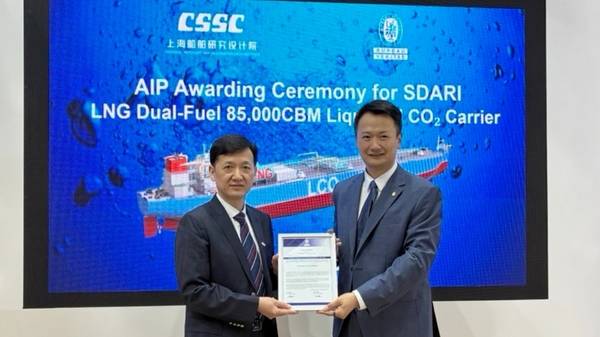
Bureau Veritas grants AiP to SDARI’s LNG dual-fuel liquefied CO₂ carrier design
Classification society approves 85,000-cbm vessel concept designed to support the growing carbon capture and storage sector. |
|
|
|
||

|
JuWonOil looking to strengthen with two Houston hires
Texas-based firm is recruiting a marine lubricants sales executive and a marine fuels and distillates trader. |
|
|
|
||
|
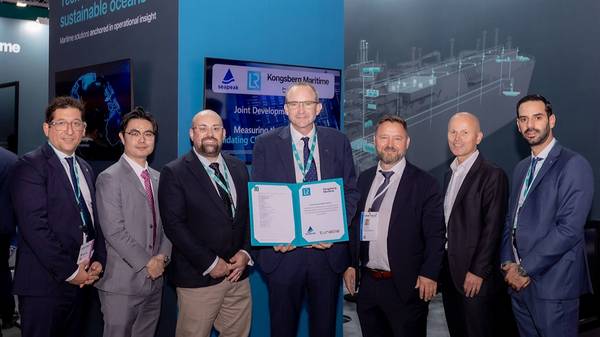
Four firms partner to trial continuous emissions monitoring on LNG carrier
LR, Seapeak, Kongsberg Maritime and Tunable will test onboard CO₂ monitoring against engine data and default emissions factors. |
|
|
|
||

|
Bunker Holding reshuffles commercial leadership across brand portfolio
Appointments announced across KPI OceanConnect, Glander International Bunkering and its digital sales operations. |
|
|
|
||
| VPS to host Dutch seminar on marine fuel quality, lubricants and decarbonisation [News & Insights] |
| VPS to host Dutch seminar on marine fuel quality, lubricants and decarbonisation [News & Insights] |
| Perfect storm at sea: High bunker prices meet declining fuel quality | Steve Bee, VPS [News & Insights] |
| Perfect storm at sea: High bunker prices meet declining fuel quality | Steve Bee, VPS [News & Insights] |
| VPS to host Bergen seminar on marine fuel quality, lubricants and decarbonisation regulation [News & Insights] |