
 |
Tsuneishi Solutions Tokyobay Co., Ltd. (T-SOL) has delivered its first low-flashpoint fuel supply system (LFSS) designed to handle methanol, marking the first on-vessel application of the Japan-built system following approval in principle (AiP) granted by classification society ClassNK in April 2024.
The delivery, which took place at the end of May, sees the LFSS installed aboard a Kamsarmax bulk carrier. Developed in-house by T-SOL and designed for medium- and low-speed diesel engines, the system is intended to safely and reliably supply alternative fuels with low flashpoints — such as methanol — to a vessel's main engine.
According to T-SOL, the LFSS features a compact design in terms of its main components, dimensions and weight. The system incorporates key components sourced from Japanese suppliers, which the company notes enables the provision of instruction manuals in Japanese and allows for prompt responses to customer enquiries.
Because the LFSS is assembled in Japan, T-SOL claims that customers are not required to attend factory acceptance tests (FAT) overseas or arrange for engineers from overseas equipment manufacturers to travel to Japan — a factor the company says helps reduce both costs and operational burdens. On-site technical support during commissioning and testing is also provided.
T-SOL, a fabless engineering company headquartered in Minato-ku, Tokyo, draws on a heritage linked to Tsuneishi's century-long involvement in ship development, design and construction, as well as more than 40 years of experience in constructing LNG carriers. The company was formally founded in May 2017.
Following the delivery of its first unit, T-SOL said it intends to ensure a stable supply of LFSS units and will continue research and development into engineering solutions for other alternative fuels. The company has stated that these efforts are aimed at supporting the maritime industry's goal of achieving carbon neutrality by 2050.
|
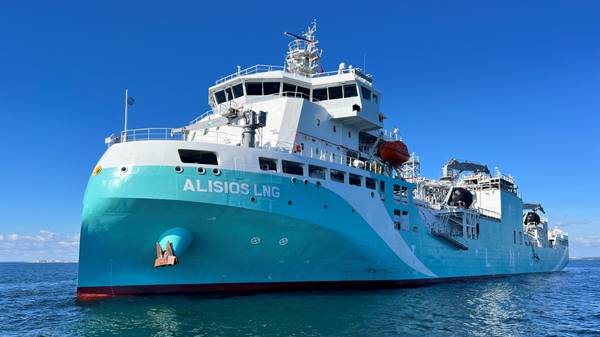
Axpo completes first LNG bunkering in Valencia, with over half bio-LNG
Ship-to-ship transfer to a container vessel makes Valencia the company's fourth Spanish port for LNG bunkering. |
|
|
|
||
|
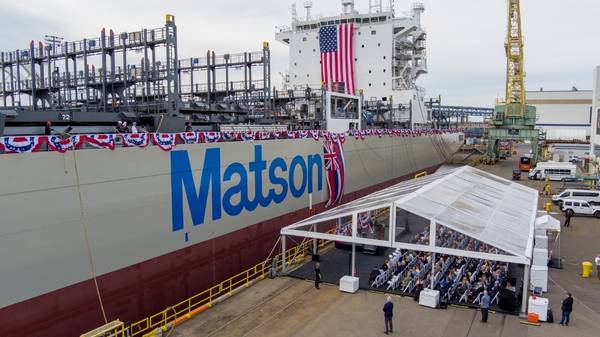
Matson christens Makua, first of three LNG-ready Aloha Class container ships
Dual-fuel vessel, due for delivery in early 2027, is the first of three ships worth around $1bn. |
|
|
|
||
|
CMB.Tech seeks Singapore-based ammonia operations manager for Asia Pacific
New hire will oversee ammonia chartering and bunkering and liaise with Far East partners. |
|
|
|
||
|
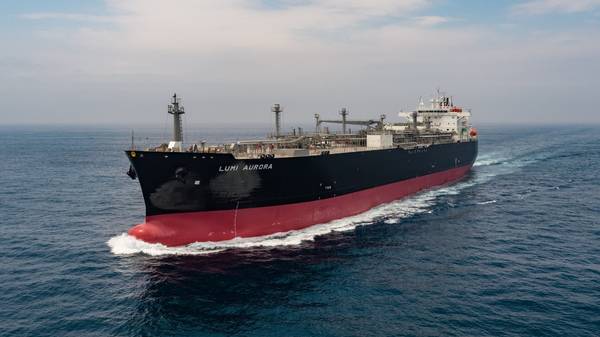
IINO Lines deploys first Ice Class IB VLGC on long-term charter to Borouge International
LPG-fuelled Lumi Aurora will carry North American gas to Borouge International's Porvoo plant in Finland. |
|
|
|
||
|
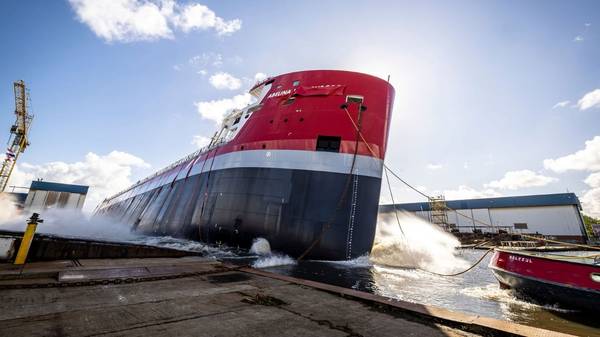
Wagenborg launches first EasyMax 2.0 vessel, prepared for methanol, ammonia and LNG
Abelina Wagenborg, built at Niestern Sander, is the first of a new generation designed for multiple alternative fuels. |
|
|
|
||
|
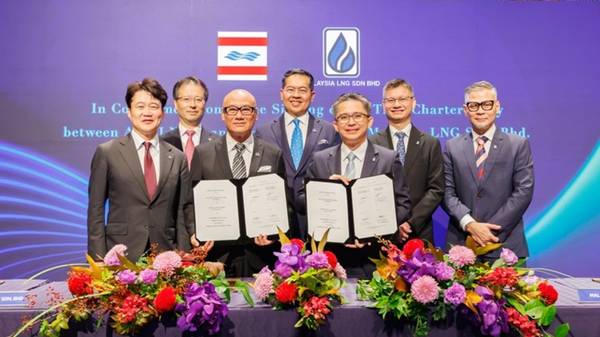
NYK–MISC joint venture signs charter for 18,700-cbm LNG carrier with Malaysia LNG
Asia LNG Transport will operate the dual-fuel diesel-electric newbuild, due from Hudong-Zhonghua in 2028, on routes to Japan. |
|
|
|
||

|
Study finds methanol dual-fuel retrofit of Kamsarmax bulk carrier would take about 75 days
Report by Mærsk Mc-Kinney Møller Center, involving Tsuneishi, puts conversion costs at 25–30% of the cost of a conventionally fuelled newbuilding. |
|
|
|
||
|
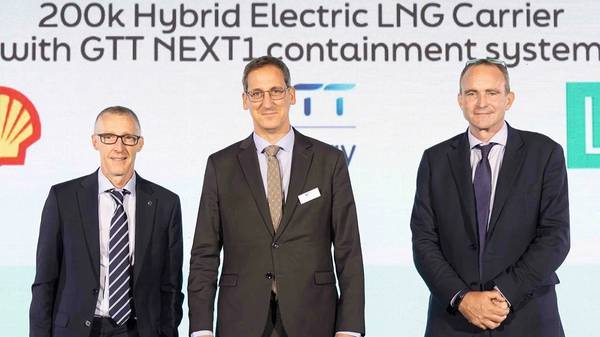
Lloyd's Register, Shell and GTT launch joint project on hybrid-electric 200,000-cbm LNG carrier
Partners to develop a concept combining hybrid-electric propulsion with GTT NEXT1 cargo containment technology for larger LNG carriers. |
|
|
|
||
|
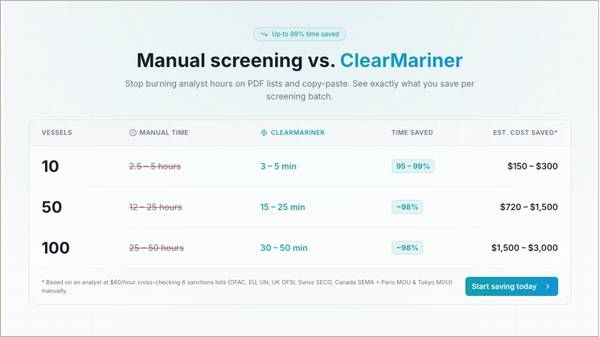
ClearMariner expands maritime sanctions screening with ESG, emissions and API support
Online service now combines sanctions checks with voyage CO₂, CII, EU ETS and FuelEU Maritime estimates. |
|
|
|
||

|
Flex Commodities adds Long Jing Xin to Singapore marine fuels team
Company appoints associate for marine fuels as part of plan for regional expansion. |
|
|
|
||
| Study finds methanol dual-fuel retrofit of Kamsarmax bulk carrier would take about 75 days [News & Insights] |
| CMB.Tech's Mineral Europa starts maiden voyage as first ammonia-powered dry bulk vessel [News & Insights] |
| WinGD signs global service agreement for TMS Cardiff Gas LNG carrier newbuilds [News & Insights] |
| Wärtsilä to supply dual-fuel engines for 12 CMA CGM container ships [News & Insights] |
| Why batteries still cannot power ships across oceans [News & Insights] |
