
 |
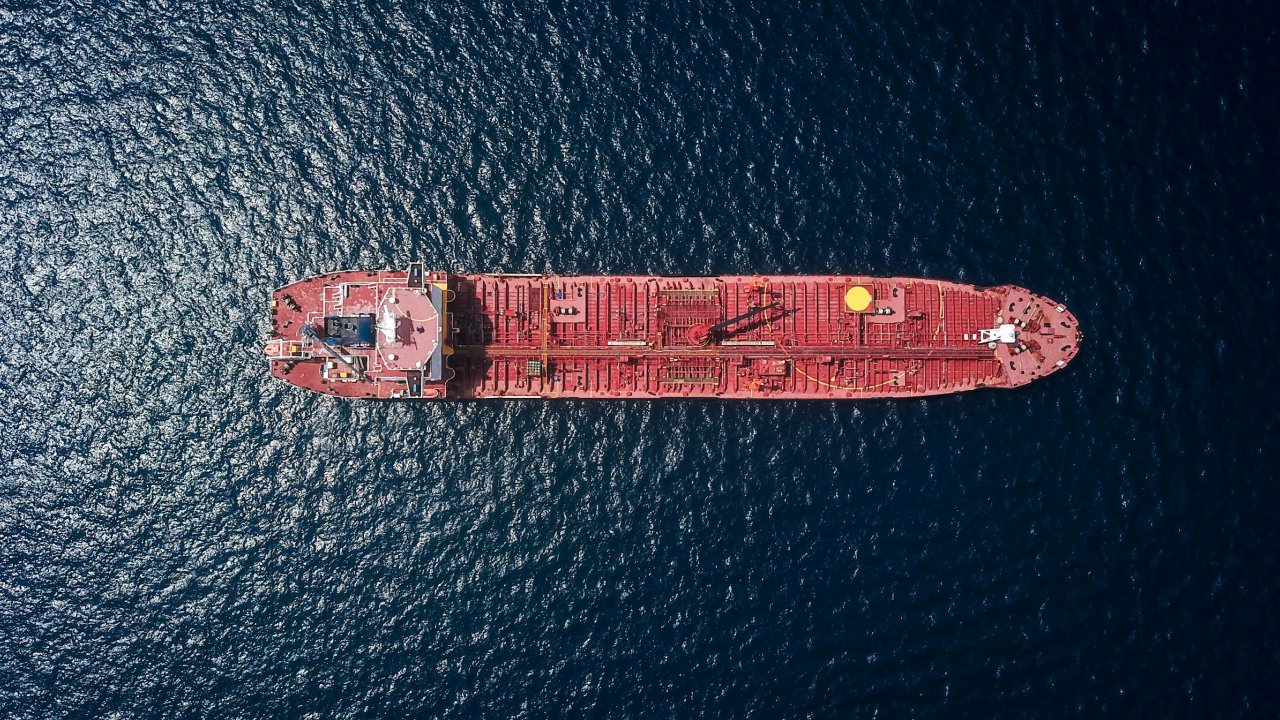
Marine insurer Gard has warned of a widespread increase in catalytic fines (cat fines) contamination in marine fuel across major bunkering ports during August, with levels reaching up to 176 parts per million (ppm) — nearly three times the industry safety limit.
The warning follows reports from Gard members and clients indicating elevated cat fines levels in both very-low-sulphur fuel oil (VLSFO) and high-sulphur fuel oil across multiple regions between August 11 and August 31.
Gard's alert references a circular from Veritas Petroleum Services (VPS) dated September 4, which described the contamination as "a global pandemic of high cat-fines in marine fuel." VPS observed cat fines levels ranging from 62-176 ppm during the period, well above the ISO 8217 standard maximum of 60 ppm for fuel as delivered to ships.
Cat fines are microscopic particles composed mainly of aluminium and silicon that pose risks to marine engines. The particles, ranging from 1 to 75 microns in size, can cause severe wear and damage to engine components including cylinder liners, piston rings, and fuel injectors when they enter the engine system.
The contamination issue is particularly problematic for VLSFO due to the fuel's typically low viscosity, which can reduce the effectiveness of centrifugal separators used to remove the particles. Engine manufacturers typically recommend cat fines levels below 15 ppm at the engine inlet for safe operation — significantly lower than the ISO delivery standard.
Gard emphasised that effective onboard fuel treatment systems are necessary to reduce cat fines levels from the delivered fuel to acceptable engine inlet levels. The insurer noted that factors such as vessel motion in rough seas can stir up previously settled material in fuel tanks, potentially increasing contamination levels.
The P&I club provided detailed recommendations for managing cat fines risks, including careful fuel sourcing from reputable suppliers, proper sampling procedures, increased bunker segregation, and regular monitoring of fuel treatment systems.
Key recommendations include conducting thorough sample analysis before using new fuel, maintaining appropriate settling times in tanks, operating purification systems at correct temperatures, and performing regular cylinder scrape-down analysis to check for abrasive wear.
Gard also recommended taking fuel system check samples to assess treatment efficiency at the engine inlet, describing this data as important for any subsequent assessment of increased engine wear.
|
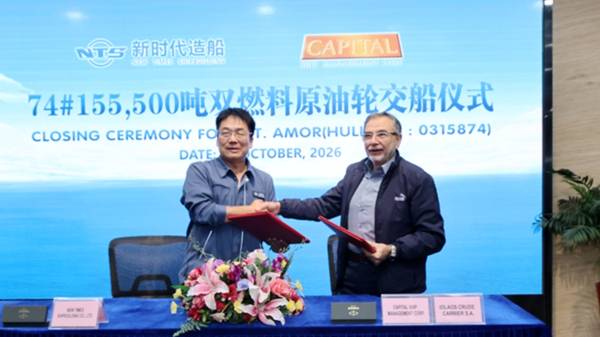
LNG dual-fuel crude tanker handed over to Capital
Jiangsu New Times Shipbuilding delivers the 155,500-DWT LNG dual-fuel crude oil vessel Amor. |
|
|
|
||

|
Gasum names Lowina Lundström as vice president, biogas
Former EIT InnoEnergy executive joins Gasum's management team to lead biogas business development from 1 December. |
|
|
|
||
|
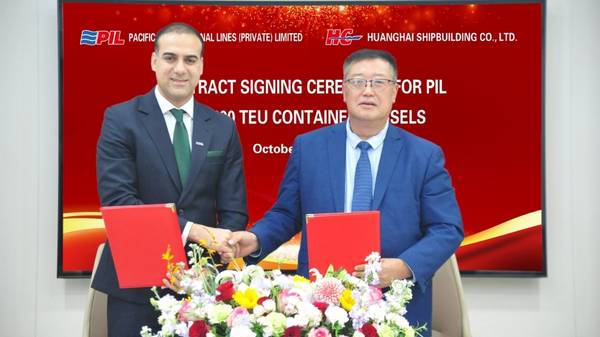
PIL orders seven methanol-ready feeder vessels from Huanghai Shipbuilding
Singapore carrier's 1,400-TEU newbuilds will boost intra-Asia capacity and support its 2050 net zero target. |
|
|
|
||
|
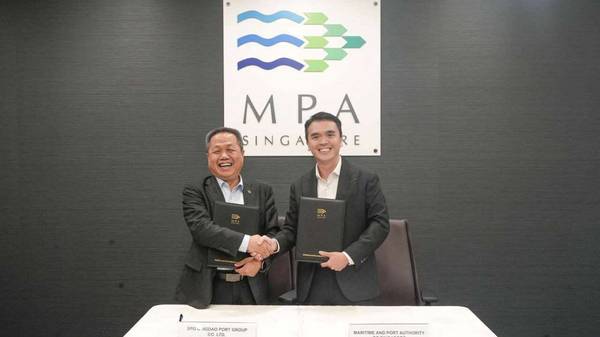
Singapore and Qingdao sign work plan to advance green and digital shipping corridors
MPA and Shandong Port Group’s Qingdao Port have agreed to pursue methanol bunkering pilots and data-sharing initiatives between the two ports. |
|
|
|
||
|
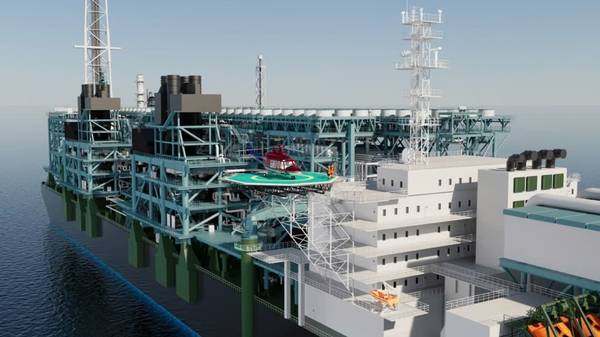
Wärtsilä to supply dual-fuel engines and thrusters for Delfin Midstream's FLNG vessel
Finnish technology group lands propulsion order for first floating LNG vessel built for US Gulf export project. |
|
|
|
||
|
Uni-Fuels advertises for senior bunker trader in Dubai
Nasdaq-listed firm recruiting for its trading team as it aims to drive growth. |
|
|
|
||
|
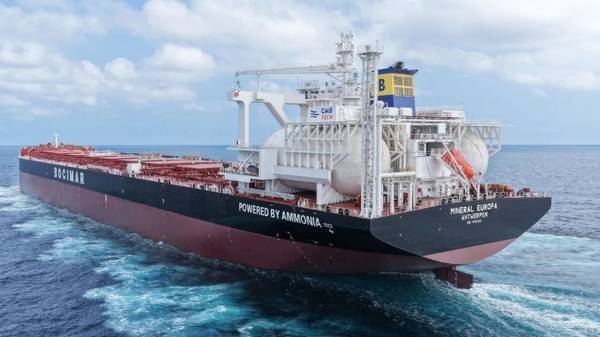
Green ammonia bunkered to ammonia-powered bulk carrier in Australian first
Pilbara Ports, Fortescue and CMB.Tech complete a ship-to-ship ammonia transfer at Port Hedland, supporting plans for a clean fuel bunkering hub in the region. |
|
|
|
||
|
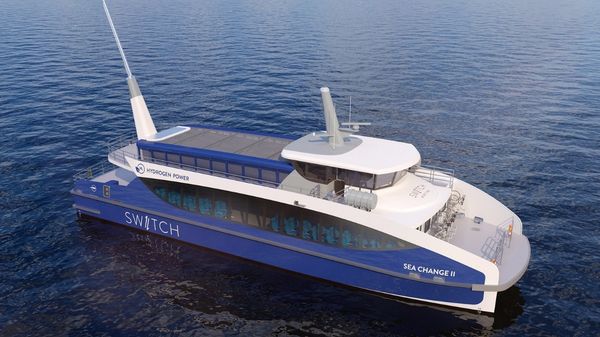
US Coast Guard agrees design framework for hydrogen-fuelled New York ferry
Switch Maritime and Incat Crowther reach regulatory agreement for a 150-passenger hydrogen fuel cell-electric fast ferry intended for New York's waterways. |
|
|
|
||
|
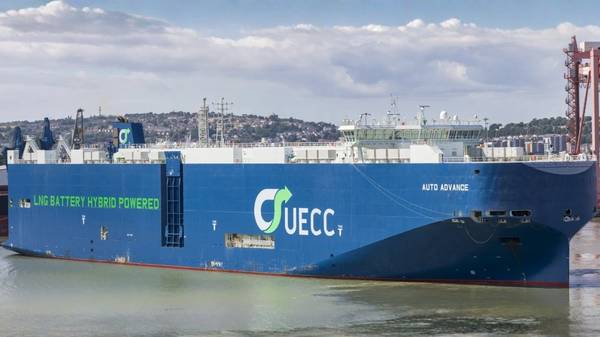
UECC fits WE Tech hybrid power systems on newbuild ro-ro vessels
Norwegian short-sea operator says battery and shaft generator technology from WE Tech Solutions has cut fuel use and auxiliary engine reliance on three newbuilds. |
|
|
|
||
|
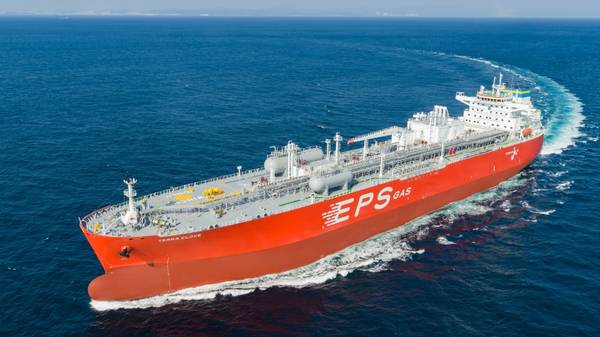
Envision's green ammonia used to bunker world's first VLAC
Chinese energy group supplies vessel owned by Eastern Pacific Shipping as it links production and marine fuel supply chains. |
|
|
|
||
| Global spike in cat fines contamination hits marine fuel supplies across major ports [News & Insights] |
| VPS to host Athens seminar on fuel efficiency and carbon reduction [News & Insights] |
| Singapore launches series of measures at SIBCON 2026 [News & Insights] |
| VPS outlines marine fuel standards and quality data at SIBCON 2026 [News & Insights] |
| Singapore launches ammonia bunkering code and new standards for fuel sampling and polymer testing [News & Insights] |
| Singapore safety council inspects methanol bunker tanker Golden Centaurus [News & Insights] |
