
 |
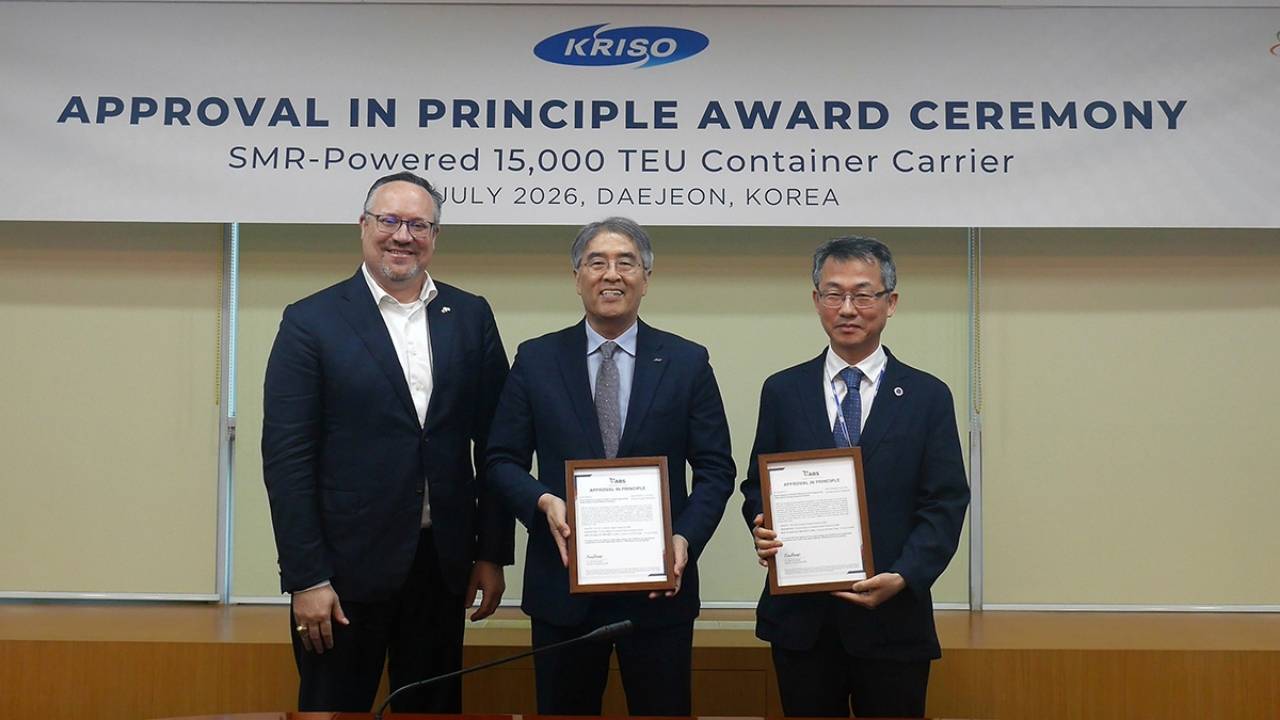
ABS has awarded approval in principle (AIP) for a concept design for a nuclear-powered 15,000-teu container ship developed in collaboration with the Korea Research Institute of Ships and Ocean Engineering (KRISO) and the Korea Atomic Energy Research Institute (KAERI).
The vessel concept is equipped with a small modular reactor (SMR) and features a marine molten salt reactor (MSR). It forms part of a multi-year joint development project between the three organisations aimed at evaluating the technical feasibility of nuclear propulsion for commercial shipping, identifying technical challenges, advancing concept development and supporting the application of class and safety requirements to next-generation nuclear vessel designs.
Under the joint development framework, KRISO carried out the concept design for the 15,000-teu vessel, KAERI developed the concept design for the MSR, and ABS completed the AIP review of the overall concept.
Patrick Ryan, ABS Senior Vice President and Chief Technology Officer, commented: "Nuclear has the potential to fundamentally alter commercial shipping in vessel design, operating range and energy economics. ABS is focused on building the technical and safety framework needed to support that, and this AIP with KRISO and KAERI is a concrete part of that work."
The collaboration builds on earlier cooperation between ABS and its Korean partners, including a memorandum of understanding signed with KRISO in 2025 to cooperate on nuclear-powered ships and floating nuclear power platforms.
Keyyong Hong, President of KRISO, stated: "SMR-powered ships are a next-generation technology that will determine the future competitiveness of the shipping industry, and securing design technologies suited to the marine environment is above all essential to making them a reality. KRISO will continue to enhance the marine applicability of nuclear-powered vessels through R&D in ocean engineering and international cooperation, and strive to help Korea lead related technologies and international standards."
Jinyoung Cho, Senior Vice President of KAERI, remarked: "KAERI will continue to refine the interface between the MSR system and the vessel, enhancing the design to address the unique operating conditions of ships, and pursue testing and demonstration of key technologies to support the commercialisation of SMR-powered vessels."
ABS noted that it continues to play a role in supporting the development of nuclear technologies for marine and offshore applications through class requirements, technology research and collaboration with industry and research organisations.
|
IBIA to host ethanol marine fuel workshop in New York
Limited-capacity session will examine ethanol’s commercial, technical and regulatory prospects as a shipping fuel. |
|
|
|
||
|
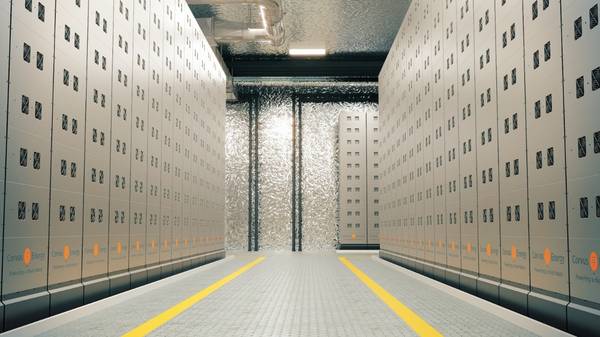
Corvus Energy’s Blue Whale NxtGen battery system gains DNV type approval
DNV approval confirms the safety and performance of Corvus Energy’s large-scale battery system for ferries, cruise ships and offshore vessels. |
|
|
|
||
|
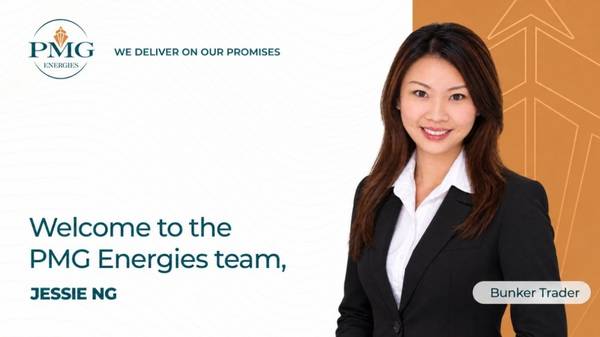
PMG Energies appoints Jessie Ng as bunker trader in Singapore
Bunker firm adds experienced trader to Singapore team. |
|
|
|
||
|
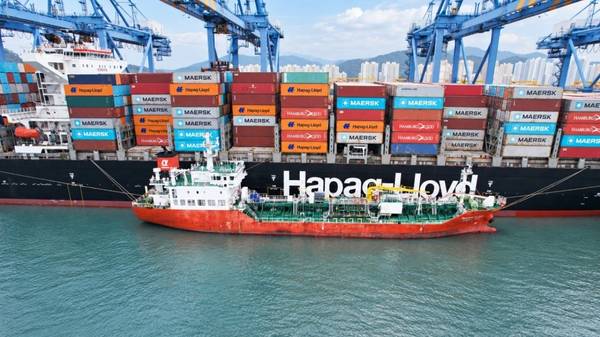
Hapag-Lloyd completes simultaneous-operations biomethanol bunkering in Busan
Container line bunkers ISCC EU-certified biomethanol from Goldwind during SIMOPS, advancing its 2024 supply agreement. |
|
|
|
||
|
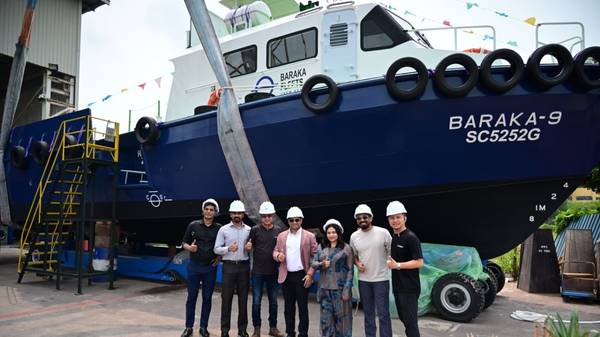
Pinnacle Marine launches B100-compatible harbour craft Baraka-9 for Trans Wave
Singapore shipbuilder adds another biodiesel-ready vessel to a fleet renewal programme aimed at harbour craft decarbonisation. |
|
|
|
||
|
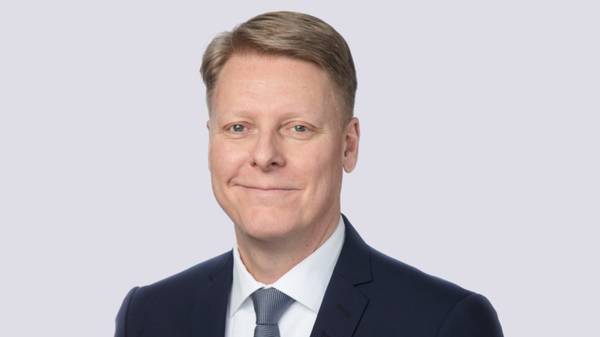
Glander International Bunkering creates European commercial director role, appoints Rune Kongstein
Marine fuels firm is aligning its European operations under a single commercial leadership structure. |
|
|
|
||
|
VPS to run marine fuel management course in the Netherlands this November
Two-day training programme covers fuel quality, handling and decarbonisation regulations. |
|
|
|
||
|
Wind-assisted propulsion 'no longer just a concept', ICS panel says
Shipowners weigh wind power as a practical, low-risk route towards decarbonisation targets. |
|
|
|
||
|
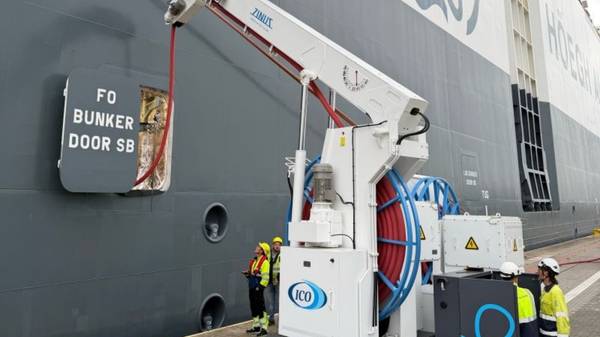
Höegh Autoliners vessel connects to shore power for the first time in Europe
Höegh Starlight used 11 kV shore power in Zeebrugge, allowing it to switch off its auxiliary engines while alongside. |
|
|
|
||
|
Chinese shipbuilder ROC signs deal for up to eight methanol-ready CSOVs
Contract signed with European shipowner for vessels designed for offshore wind farm maintenance work. |
|
|
|
||
| CMA CGM takes delivery of LNG-powered Orsay for Asia-Europe trade [News & Insights] |
| ABS, HD KSOE and Siemens partner on digital twin technology for ammonia-fuelled ship safety [News & Insights] |
| ABS, HD KSOE and Siemens partner on digital twin technology for ammonia-fuelled ship safety [News & Insights] |
| Nuclear-powered LNG carriers cost more upfront but cut lifetime fuel bills, ABS-backed study finds [News & Insights] |
| Maersk completes first US ethanol bunkering of a deep-sea container ship [News & Insights] |
