
 |
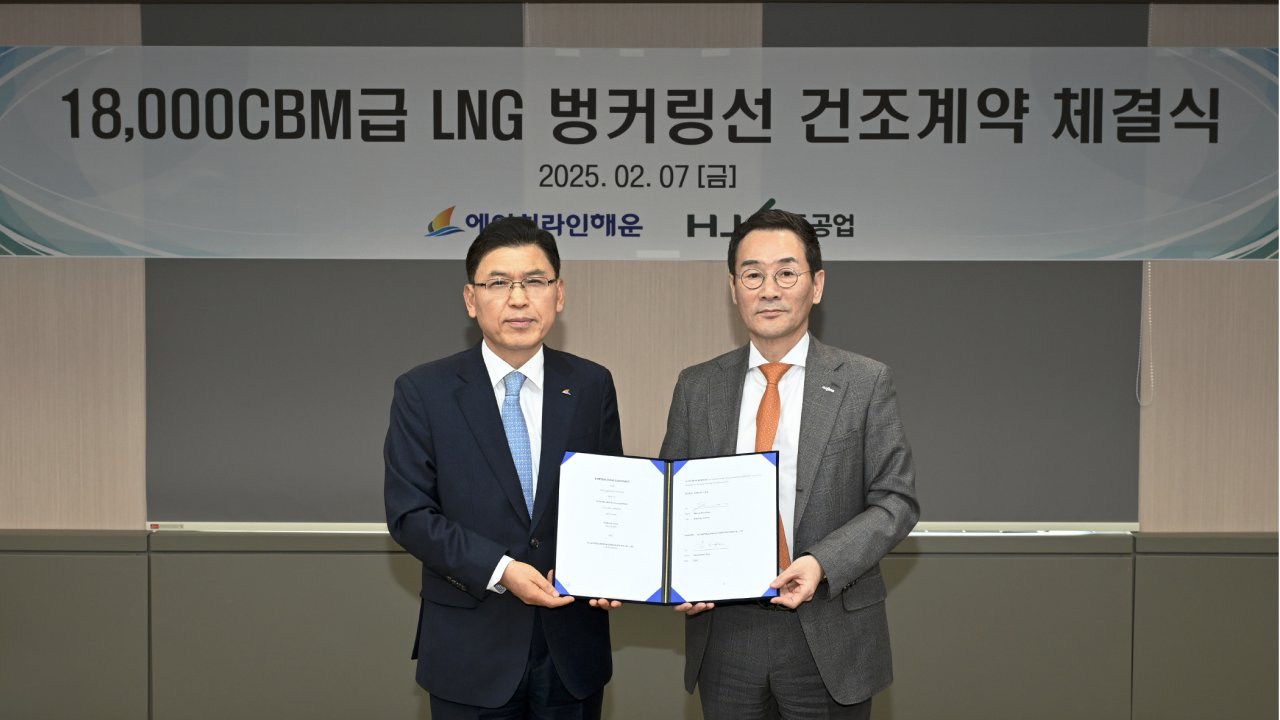
Korea's H-Line Shipping, a specialist in dedicated carriers, has signed a contract valued at KRW 127.1bn ($87.43m) for the construction of an 18,000-cbm LNG bunkering vessel.
The order, secured via HJ Shipbuilding & Construction (HJSC), comes amid projected growth in the market for crude oil carriers, LNG carriers, and LNG bunkering vessels, spurred by anticipated expansions in oil and natural gas drilling as well as the resumption of LNG exports under the second Trump administration.
The contracted vessel will measure 144 metres in length, 25.2 metres in width, and 12.8 metres in depth, capable of supplying up to 18,000 cbm of LNG in a single operation directly to LNG-fuelled ships.
The ship facilitates ship-to-ship (STS) LNG bunkering, allowing LNG-fuelled vessels to receive fuel directly at sea without the need to dock.
It will be fitted with two independent LNG tanks certified by the International Maritime Organization (IMO) and feature a dual-fuel propulsion system that operates on both LNG and marine diesel oil (MDO). This advanced setup will aim to optimise operational efficiency while reducing carbon emissions.
Yoo Sang-cheol, CEO of HJSC, noted: "As global LNG demand and supply continue to grow, the LNG bunkering vessel market will see steady expansion."
He added: "We will focus on strengthening our expertise in building eco-friendly, high-value-added ships, securing a competitive edge that aligns with our legacy as a leader in shipbuilding."
HJSC previously built the world's first purpose-built LNG bunkering vessel, Engie Zeebrugge, which was delivered in 2017.
|
IBT Bunkering & Trading appoints Sales Support Specialist
Björn Hauschild joins from shipyard broker CombiTrade. |
|
|
|
||
|
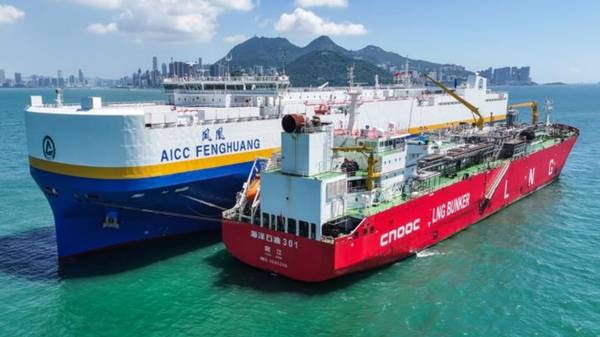
CLPe and CNOOC complete Hong Kong's first LNG bunkering of a pure car and truck carrier
Ship-to-ship operation delivered around 2,600 cbm of LNG to dual-fuel vessel AICC Fenghuang. |
|
|
|
||
|
Mercuria seeks senior sales and account manager for bunker delivery platform
Role can be based either remotely or at one of its offices in London, Geneva, Athens or Las Palmas. |
|
|
|
||
|
Molgas Energy Group appoints Riaan van Kralingen as head of clean fuels
Van Kralingen will oversee the company's liquefied biomethane and EU allowance portfolios, succeeding Caspar Gooren. |
|
|
|
||
|
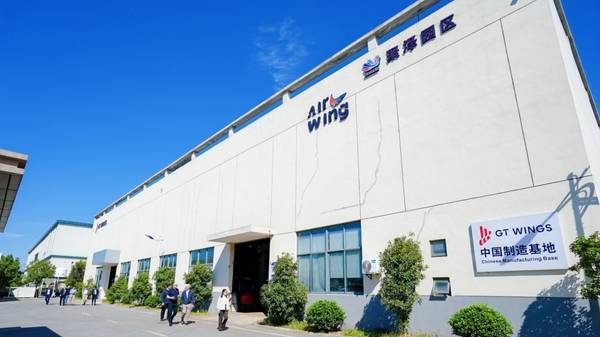
GT Wings launches compact AirWing S Jet Sail for smaller vessels
Wind propulsion developer adds lightweight unit to AirWing range as first customer-ordered AirWing20 units near completion. |
|
|
|
||
|
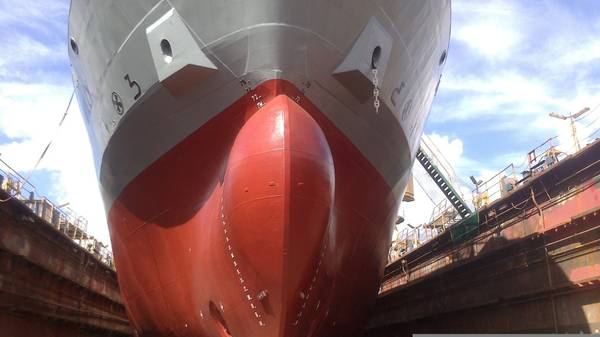
LR publishes retrofit guidance covering alternative fuels and energy-saving devices in one framework
New Guidance Notes address LNG, methanol, ammonia, hydrogen, wind-assisted propulsion and air lubrication retrofits for existing ships. |
|
|
|
||
|
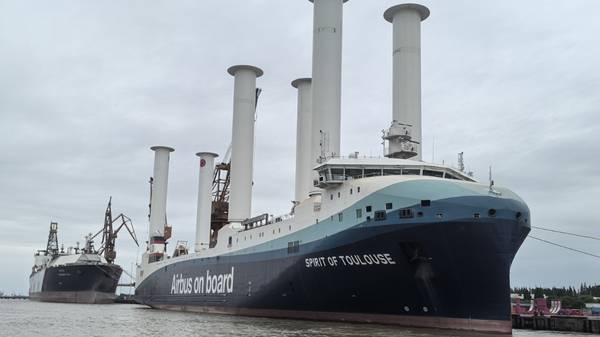
LD Armateurs' Spirit of Toulouse fitted with six Norsepower rotor sails
Six 35m rotor sails installed on the first of three methanol-capable ro-ro ships chartered by Airbus. |
|
|
|
||
|
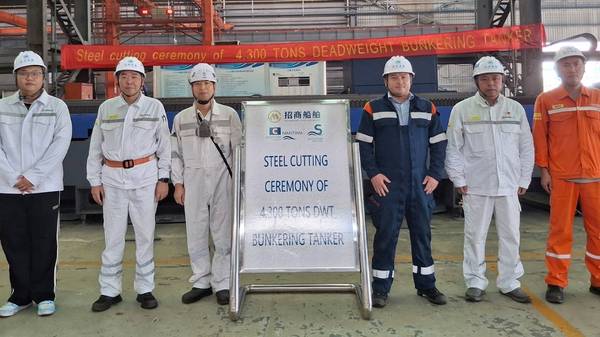
Maritima holds steel-cutting ceremony for Cap Morgiou, first of two Petroineos bunker vessels
Construction starts on bunker vessel able to carry conventional and low-carbon marine fuels, with delivery expected in early 2028. |
|
|
|
||

|
Singapore launches series of measures at SIBCON 2026
MPA announces LNG storage licences, digital bunkering grants and electric harbour craft incentives at 24th conference. |
|
|
|
||
|
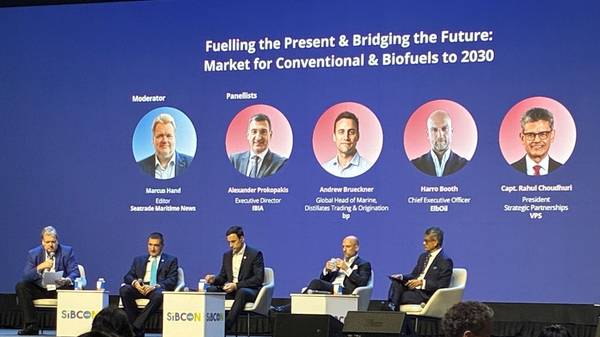
VPS outlines marine fuel standards and quality data at SIBCON 2026
VPS's Rahul Choudhuri addresses Singapore's evolving fuel standards and the quality of conventional fuels and biofuels. |
|
|
|
||
| Bureau Veritas supports launch of CIMC SOE's LNG bunkering vessel [News & Insights] |
| Peninsula CEO seals deal to build LNG bunker vessel [News & Insights] |
| Wärtsilä to supply Scale Gas LNG bunker vessel's cargo handling system [News & Insights] |
| CLPe and CNOOC complete Hong Kong's first LNG bunkering of a pure car and truck carrier [News & Insights] |
| LD Armateurs' Spirit of Toulouse fitted with six Norsepower rotor sails [News & Insights] |
| Maritima holds steel-cutting ceremony for Cap Morgiou, first of two Petroineos bunker vessels [News & Insights] |
| ROC wins order for PSVs featuring replaceable containerised battery system [News & Insights] |
| Axpo completes first LNG bunkering in Valencia, with over half bio-LNG [News & Insights] |
