
 |
FortisBC Energy Inc. has completed its 10,000th LNG refuelling event for marine vessels, marking a major milestone in its bunkering operations on Canada’s West Coast.
The company launched LNG bunkering in 2016 and has since expanded its activities through partnerships including the Musqueam Indian Band, Seaspan Ferries and BC Ferries.
The utility said the milestone follows a year of firsts at the Port of Vancouver for LNG produced at its Tilbury facility and delivered through Seaspan Energy LNG bunker vessels. These included Canada’s first ship-to-ship LNG transfer, the first LNG transfer to a car carrier, and the first cruise ship bound for Alaska to be fuelled with LNG. In Vancouver’s English Bay, the first ship-to-ship LNG transfer to a container vessel was also completed.
FortisBC added that it is developing greater ship-to-ship fuelling capability and additional infrastructure to meet rising demand for LNG in transpacific shipping.
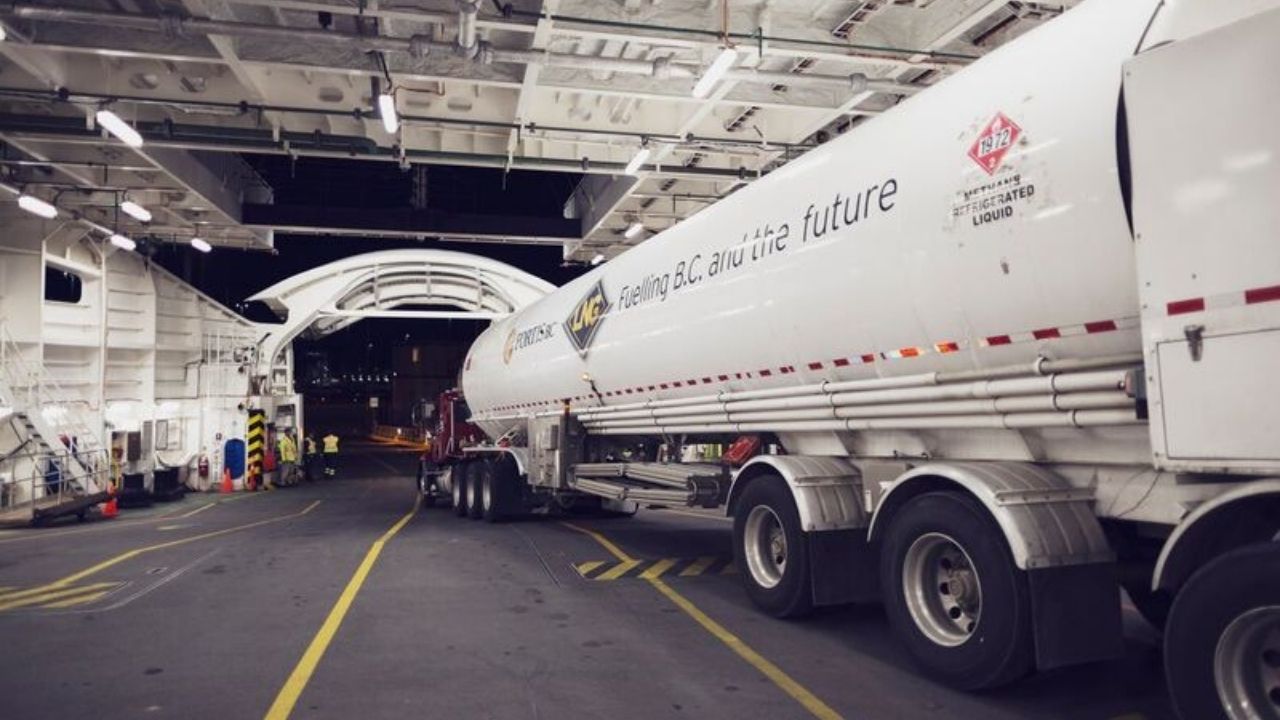
The utility also highlighted its work with Seaspan Ferries and BC Ferries to develop tanker-truck technology that allows LNG to be delivered directly onboard vessels. The Seaspan Swift ferry was the first in North America to receive LNG via delivery truck on an open vehicle deck.
Mike Leclair, vice president of major projects and LNG at FortisBC, said: “Reaching our 10,000th LNG bunkering delivery is a testament to the innovation, collaboration and long-term commitment that defines FortisBC’s approach to providing increased access to lower carbon intensity marine energy compared with traditional marine fuels.”
Alexa Young, vice president of government, external and environmental affairs at the Vancouver Fraser Port Authority, noted: “LNG bunkering has an important part to play as the first alternative fuel available in significant quantities for the maritime sector. We’ve seen cruise, cargo and container ships all embrace LNG since its introduction to the port last year through approved provider Seaspan Energy, helping reduce air pollutant emissions while keeping Canadian cargo moving.”
Adrian Dix, British Columbia’s Minister of Energy and Climate Solutions, remarked: “I want to congratulate FortisBC on reaching this milestone that reflects their strong commitment to advancing lower carbon energy solutions and developing a more resilient future. Through their collaboration with the Musqueam Indian Band and collaborations with Seaspan Ferries and BC Ferries, FortisBC continues to play a crucial role in delivering more sustainable marine energy all while creating economic opportunities here at home in B.C.”
|
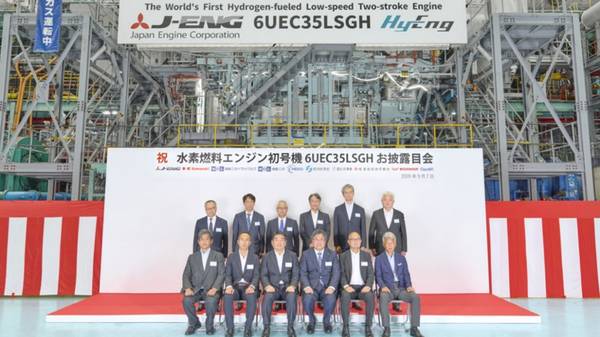
Japan Engine completes land-based testing of landmark hydrogen-fuelled engine for large vessels
Hydrogen co-firing rate of at least 95% achieved during factory testing. |
|
|
|
||
|
Ethanol edges into shipping’s fuel mix as methanol crossover eases adoption barriers
Rising interest from cargo owners, shared technology with methanol and Brazilian production growth push ethanol beyond regional niche status. |
|
|
|
||
|
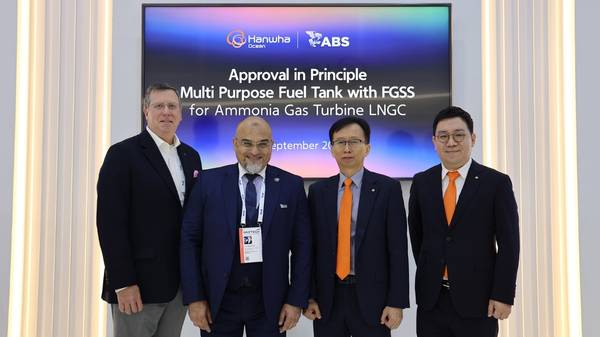
ABS grants Hanwha Ocean approval for dual-fuel tank enabling LNG-to-ammonia switch
In-principle approval awarded for fuel tank and supply system enabling LNG carriers to convert to ammonia without replacement. |
|
|
|
||
|
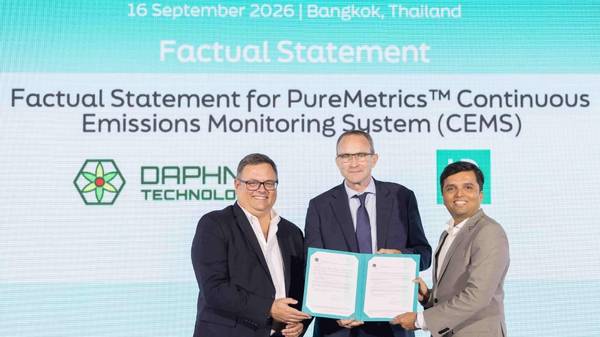
Lloyd's Register confirms suitability of Daphne Technology's emissions monitoring system
Factual Statement validates the PureMetrics design for monitoring greenhouse gas emissions from marine engines. |
|
|
|
||

|
IMO issues shipboard biofuel blend checklist developed by IBIA
Checklist for FAME-based biofuels formally incorporated into IMO document, supporting crews handling biofuel blends for the first time. |
|
|
|
||
|
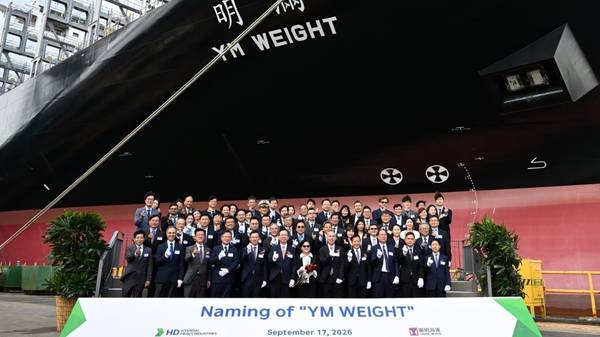
Yang Ming names fourth LNG dual-fuel container vessel YM Weight
Newbuild features high-pressure dual-fuel main engines capable of running on either LNG or low-sulphur fuel oil. |
|
|
|
||
|
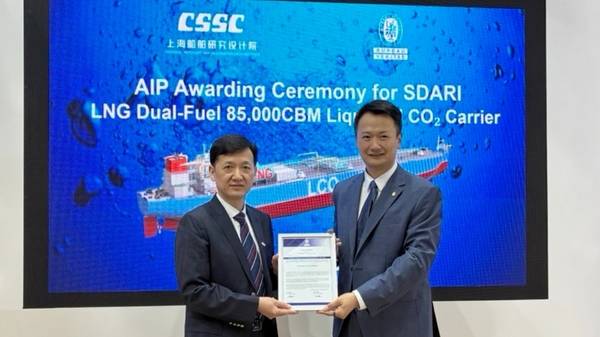
Bureau Veritas grants AiP to SDARI’s LNG dual-fuel liquefied CO₂ carrier design
Classification society approves 85,000-cbm vessel concept designed to support the growing carbon capture and storage sector. |
|
|
|
||

|
JuWonOil looking to strengthen with two Houston hires
Texas-based firm is recruiting a marine lubricants sales executive and a marine fuels and distillates trader. |
|
|
|
||
|
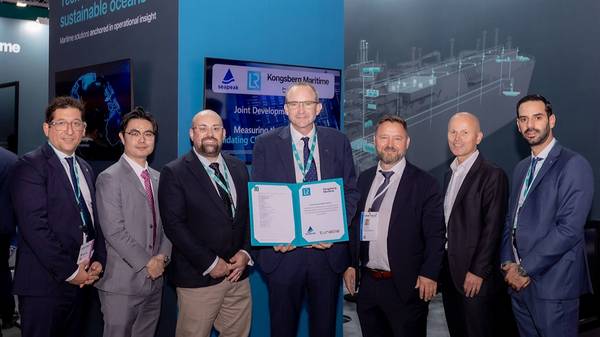
Four firms partner to trial continuous emissions monitoring on LNG carrier
LR, Seapeak, Kongsberg Maritime and Tunable will test onboard CO₂ monitoring against engine data and default emissions factors. |
|
|
|
||
|
Bunker Holding reshuffles commercial leadership across brand portfolio
Appointments announced across KPI OceanConnect, Glander International Bunkering and its digital sales operations. |
|
|
|
||
| Japan Engine completes land-based testing of landmark hydrogen-fuelled engine for large vessels [News & Insights] |
| Baleària Canarias completes first truck-to-ship LNG bunkering for fast ferry at Tenerife [News & Insights] |
| World's first operational ammonia bunker vessel enters service [News & Insights] |
| MOL names world’s first LNG carrier fitted with wind-assisted propulsion for Chevron charter [News & Insights] |
| Burando Energies completes first physical bunker operation in Norway [News & Insights] |
