Mon 5 Feb 2018, 09:19 GMT

Oil and fuel oil hedging market update


By the Oil Desk at Freight Investor Services.


Commentary

Brent closed Friday down 1.07 to $68.58, WTI closed at $65.45, down 0.35. I don't know about you, but it seems everyone has woken up this morning properly fed up. "Blue Monday" is famously the third Monday in January and is widely regarded as the most depressing day of the year, but I disagree. I think it's the first Monday of February. It seems as if the oil market has that blue feeling as well, and try as I might to smile that we are edging further and further away from $85 per bbl on Brent (for now), it just seems as if we could be in for a bit of a depressing February. Inevitably the US rig count rose again last week, and why wouldn't it with flat price up at the dizzy height of $70 per bbl. The total rig count stands at 946. This time last year it was 729. That's a 30% increase. WTI is trading right now at $64.98. This time last year was $53.83. That's a 20% increase. Hmmm. I bet nobody thought it would be 20% higher. It's amazing though, the more people read about higher prices in the press, they more they believe that prices are doing so well that you actually start to believe them, and resign yourself to inevitable forces. Let's put this 20% rally vs a 30% increase in the rig count shall we? So 10% more resources are being ploughed into a commodity that, let's face it, isn't doing as well as people think. The bulls would much rather read a headline that says "OPEC compliance at 138% and demand is up" than they would actually read the real figures behind these stories.At the moment, we are like the British at Waterloo: just about managing, but waiting for the Prussian cavalry to ride in and save the day in the form of increased demand, otherwise this could end messily.

Fuel Oil Market (February 2)

The front crack opened at -10.85, weakening to -11.10, -10.50, before weakening to -10.70. The Cal 19 was valued at -15.50.

Cash differentials of Asia's 180 cSt and 380 cSt fuel oil extended losses on Friday amid limited buying interest for physical cargoes which resulted in no deals being reported in the Singapore trading window.

Cash premiums of the mainstay 380 cSt fuel oil fell for a third consecutive session on Friday, falling to a premium of $1.10 a tonne to Singapore quotes, down from $1.79 a tonne at the start of the week. Sentiment in Asia's fuel oil market has been weighed down by sluggish demand and expectations of ample near-term supplies, trade sources said.

Fuel oil stocks in the ARA oil hub fell 13 percent, or 141,000 tonnes, from the previous week to a two-week low of 907,000 tonnes in the week ended Feb. 1. ARA fuel oil inventories were 28 percent higher than a year ago but slightly below the five-year average of 910,000 tonnes for this time of the year.

Economic Data and Events

* 1:30pm: Bloomberg forecast of U.S. waterborne LPG exports

* 2:45pm: U.S. Markit Services, Jan. (final)

* 3pm: U.S. ISM Non-Manufacturing Composite, Jan

Singapore 380 cSt

Mar18 - 374.00 / 376.00

Apr18 - 374.00 / 376.00

May18 - 373.75 / 375.75

Jun18 - 373.25 / 375.25

Jul18 - 372.25 / 374.25

Aug18 - 370.75 / 372.75

Q2-18 - 373.50 / 375.50

Q3-18 - 370.75 / 372.75

Q4-18 - 365.75 / 368.25

Q1-19 - 357.25 / 359.75

CAL19 - 319.75 / 322.75

CAL20 - 252.00 / 257.00

Singapore 180 cSt

Mar18 - 379.75 / 381.75

Apr18 - 379.75 / 381.75

May18 - 379.50 / 381.50

Jun18 - 379.25 / 381.25

Jul18 - 378.50 / 380.50

Aug18 - 377.00 / 379.00

Q2-18 - 379.50 / 381.50

Q3-18 - 377.25 / 379.25

Q4-18 - 372.50 / 375.00

Q1-19 - 365.50 / 368.00

CAL19 - 328.75 / 331.75

CAL20 - 262.75 / 267.75

Rotterdam Barges

Mar18 361.25 / 363.25

Apr18 361.25 / 363.25

May18 360.50 / 362.50

Jun18 359.75 / 361.75

Jul18 358.25 / 360.25

Aug18 - 356.25 / 358.25

Q2-18 360.50 / 362.50

Q3-18 365.50 / 367.50

Q4-18 346.25 / 348.75

Q1-19 336.75 / 339.25

CAL19 296.75 / 299.75

CAL20 231.75 / 236.75


Proteus Supply and Trading and Propeller Fuels logo. Propeller Fuels and Proteus Supply and Trading form commercial partnership to expand Americas coverage  

US-based Proteus and UK-based Propeller Fuels unite operations across the Americas and beyond.

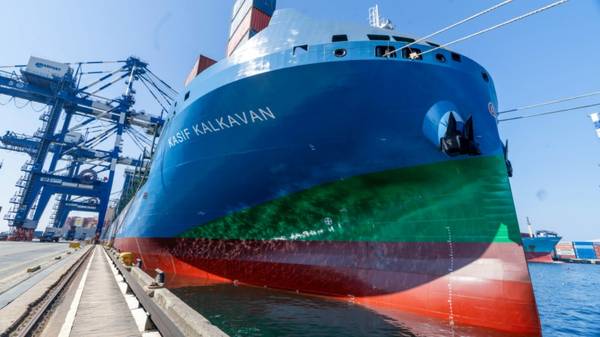
Kasif Kalkavan vessel. Turkon Line’s LNG-powered Kaşif Kalkavan makes maiden call at Marport  

Türkiye’s largest domestically built LNG-fuelled container ship has docked at Marport for the first time.

Vinoth Kumar, Flex Commodities. Flex Commodities appoints Vinoth Kumar as general accountant  

Dubai-based bunker trader strengthens finance team with new accounting hire.

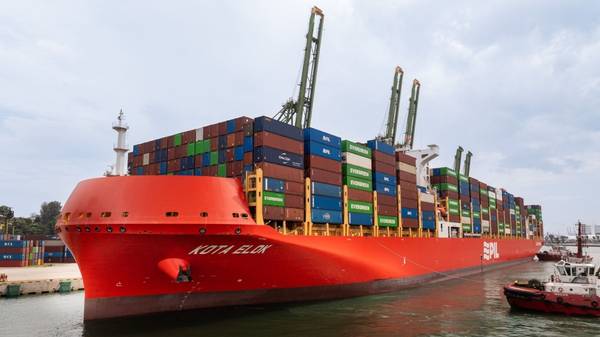
Kota Elok vessel. PIL's first LNG dual-fuel boxship receives cybersecurity certification on Singapore maiden call  

Pacific International Lines' 13,000-teu vessel Kota Elok becomes the first PIL ship certified to IACS cyber-resilience standards.

Princess cruise ship. Wärtsilä and Carnival Corporation sign 8-year lifecycle agreement for LNG-fuelled cruise vessels  

Deal covers four vessels across the Princess Cruises and Carnival Cruise Line fleets.

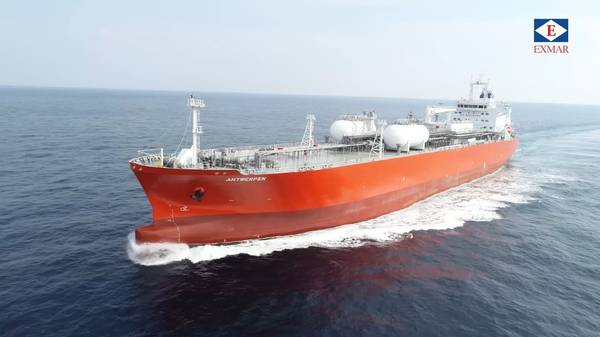
Antwerpen vessel. Exmar vessel completes first commercial voyage on ammonia dual-fuel  

Antwerpen sailed from China to India using ammonia in dual-fuel mode during commercial service.

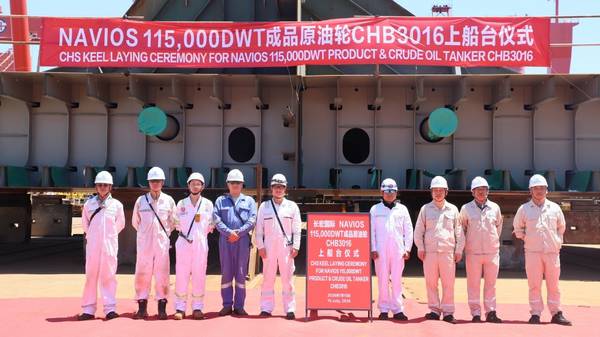
Keel-laying ceremony of vessel with builder's hull no. CHB3016. Changhong International launches ninth LR2 tanker in Navios series  

Vessel includes future methanol and LNG conversion capability as well as shore power provision.

ECSA logo. European shipowners back EU ETS revenue earmarking but warn proposal falls short on clean technology support  

ECSA welcomes fuel support and revenue earmarking but calls for broader technology eligibility and a clear IMO withdrawal clause.

World Shipping Council logo. WSC backs EU ETS fuel revenue reinvestment but warns over port competitiveness rules  

The World Shipping Council welcomes proposed ETS fuel mechanism changes but flags concerns over neighbouring port proposals.

Green methanol bunkering vessel render. Western Baltic Engineering unveils green methanol bunkering vessel concept for Klaipėda  

Concept vessel design features an 800-tonne capacity and annual supply potential of 250,000 tonnes.