
 |
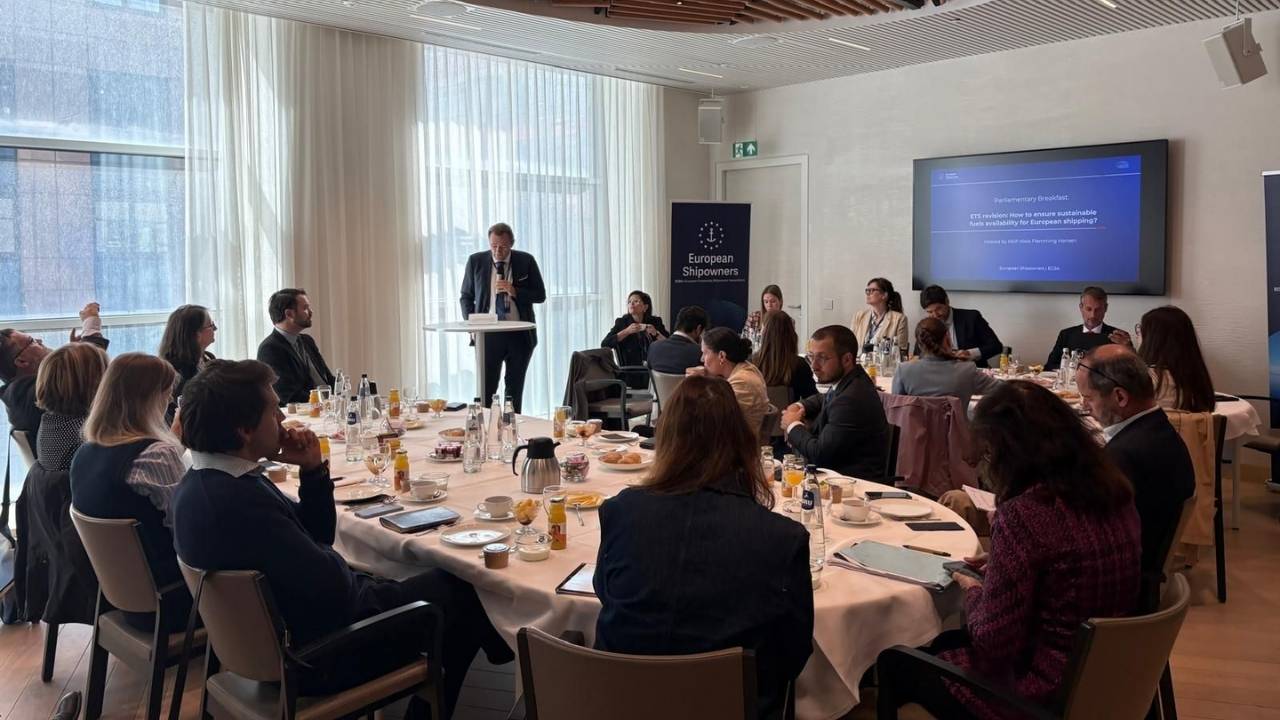
European Shipowners — the European Community Shipowners' Associations (ECSA) — has called on EU policymakers to introduce supply-side obligations on fuel suppliers and redirect emissions trading revenues into clean fuel production, as the bloc prepares to revise its emissions trading system (ETS).
The industry body organised a Parliamentary Breakfast on 10 June, hosted by MEP Niels Flemming Hansen, bringing together policymakers, industry representatives and fuel suppliers to discuss the upcoming ETS revision and the energy transition of shipping.
ECSA outlined three key asks ahead of the revision. First, the association called for a global level playing field, arguing that European shipping operates internationally and requires international regulatory alignment. While welcoming the European Commission's commitment to avoid double payment for the maritime sector when global measures are adopted at the International Maritime Organization (IMO), ECSA said the EU should go further and commit to withdrawing EU legislation once a global agreement is reached — a step it claims would support the international negotiation process.
Second, ECSA pointed to the scale of shipping's contribution to the EU ETS, which it says amounts to €9bn per year, and called on member states to direct national ETS revenues towards making clean fuels available in the market. According to ECSA, clean fuels are currently around four times more expensive than conventional fuels, and closing this price gap is, in the organisation's view, also a matter of energy security for Europe.
Third, the association called for a fuel supplier mandate, noting that shipping is the only transport sector without supply-side obligations requiring fuel suppliers to make clean fuels available.
Speakers at the event included Polona Gregorin, Head of Unit at DG CLIMA within the European Commission; Fanny Devaux, Director of Shipping at Transport & Environment (T&E); Sanne Frías Henriksen, Head of IMO and EU at A.P. Moller — Maersk; Sebastian Hirsz, Fuels Executive at FuelsEurope; and Lorenzo Matacena, CEO of Caronte & Tourist S.p.A. and Vice President of Confitarma — Confederazione Italiana Armatori.
The event took place against the backdrop of ongoing EU and IMO discussions on decarbonising the shipping sector, with the ETS revision presenting what ECSA sees as an opportunity to align regulatory frameworks and accelerate investment in alternative marine fuels.
|
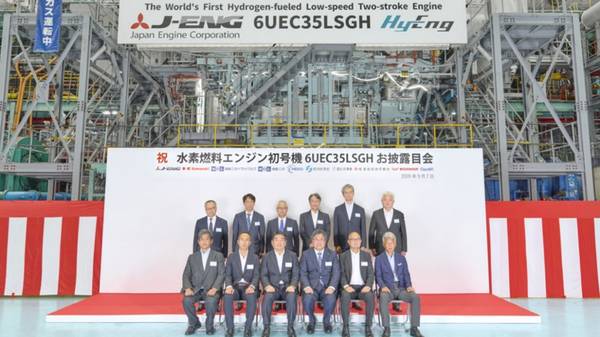
Japan Engine completes land-based testing of landmark hydrogen-fuelled engine for large vessels
Hydrogen co-firing rate of at least 95% achieved during factory testing. |
|
|
|
||
|
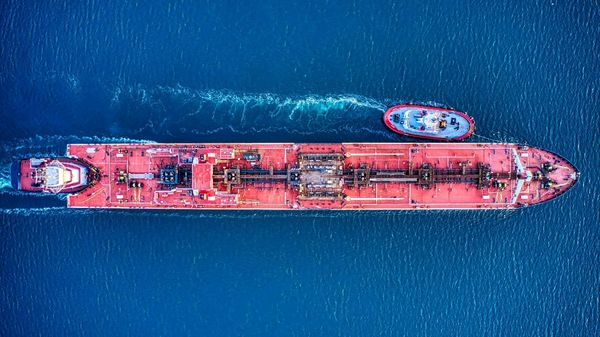
Ethanol edges into shipping’s fuel mix as methanol crossover eases adoption barriers
Rising interest from cargo owners, shared technology with methanol and Brazilian production growth push ethanol beyond regional niche status. |
|
|
|
||
|
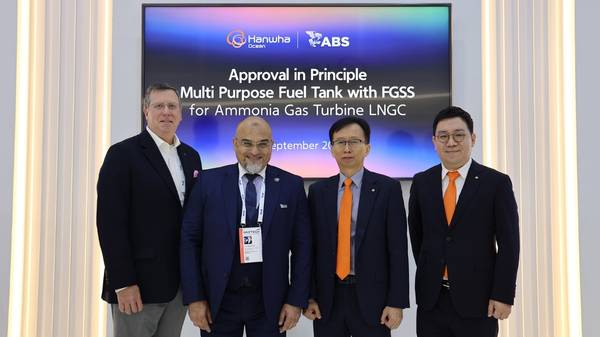
ABS grants Hanwha Ocean approval for dual-fuel tank enabling LNG-to-ammonia switch
In-principle approval awarded for fuel tank and supply system enabling LNG carriers to convert to ammonia without replacement. |
|
|
|
||
|
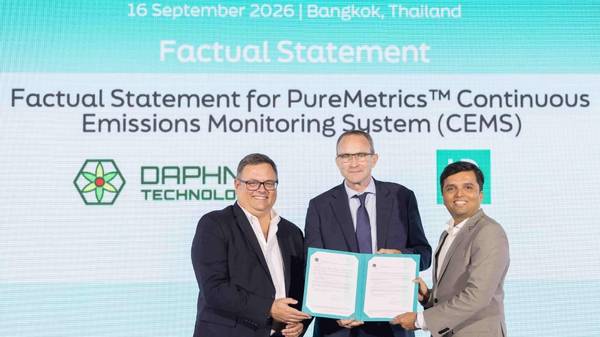
Lloyd's Register confirms suitability of Daphne Technology's emissions monitoring system
Factual Statement validates the PureMetrics design for monitoring greenhouse gas emissions from marine engines. |
|
|
|
||

|
IMO issues shipboard biofuel blend checklist developed by IBIA
Checklist for FAME-based biofuels formally incorporated into IMO document, supporting crews handling biofuel blends for the first time. |
|
|
|
||
|
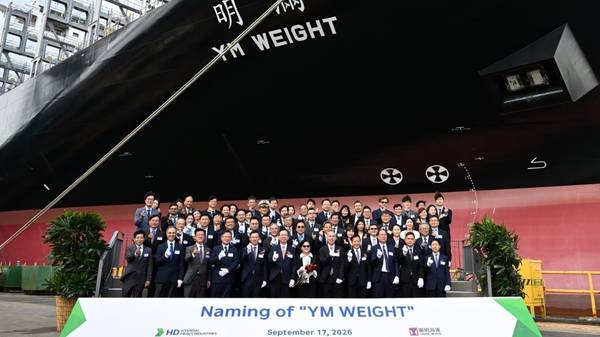
Yang Ming names fourth LNG dual-fuel container vessel YM Weight
Newbuild features high-pressure dual-fuel main engines capable of running on either LNG or low-sulphur fuel oil. |
|
|
|
||
|
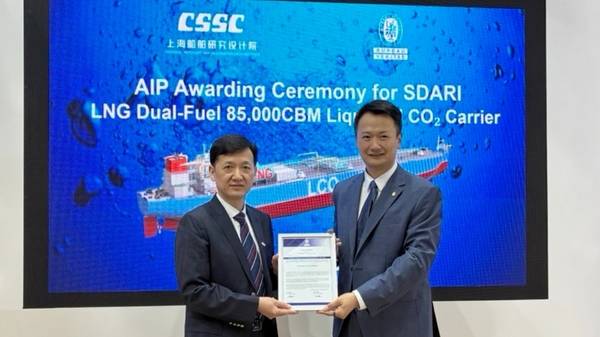
Bureau Veritas grants AiP to SDARI’s LNG dual-fuel liquefied CO₂ carrier design
Classification society approves 85,000-cbm vessel concept designed to support the growing carbon capture and storage sector. |
|
|
|
||

|
JuWonOil looking to strengthen with two Houston hires
Texas-based firm is recruiting a marine lubricants sales executive and a marine fuels and distillates trader. |
|
|
|
||
|
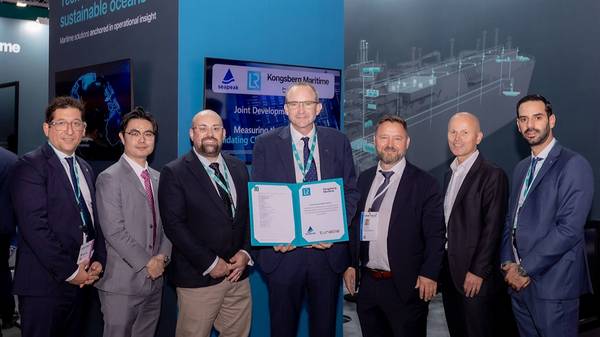
Four firms partner to trial continuous emissions monitoring on LNG carrier
LR, Seapeak, Kongsberg Maritime and Tunable will test onboard CO₂ monitoring against engine data and default emissions factors. |
|
|
|
||

|
Bunker Holding reshuffles commercial leadership across brand portfolio
Appointments announced across KPI OceanConnect, Glander International Bunkering and its digital sales operations. |
|
|
|
||
| ABS grants Hanwha Ocean approval for dual-fuel tank enabling LNG-to-ammonia switch [News & Insights] |
| Lloyd's Register confirms suitability of Daphne Technology's emissions monitoring system [News & Insights] |
| Lloyd's Register confirms suitability of Daphne Technology's emissions monitoring system [News & Insights] |
| Four firms partner to trial continuous emissions monitoring on LNG carrier [News & Insights] |
| Lloyd's Register grants design appraisal for wind-powered LNG carrier concept [News & Insights] |
