
 |
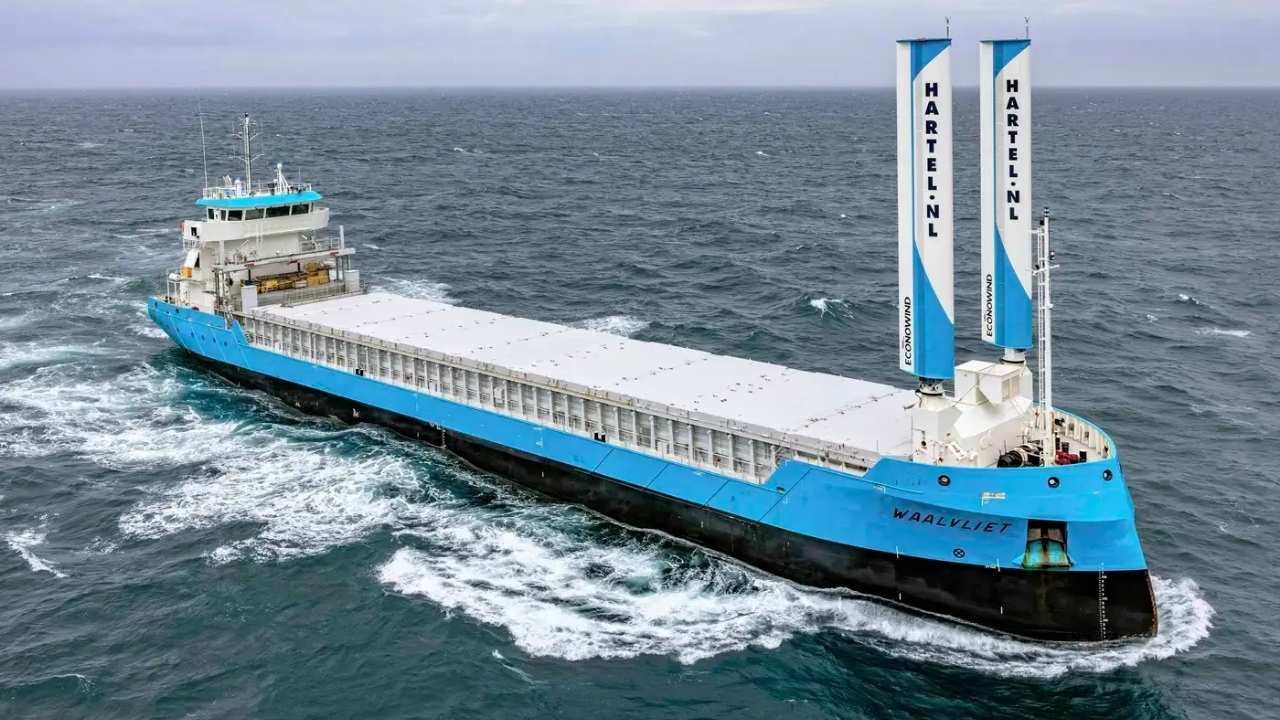
Econowind and ABB have deepened their partnership to combine wind-assisted ship propulsion with digital weather routing, with the Netherlands-based manufacturer stating the integration can reduce fuel consumption and help vessel operators meet tightening environmental regulations.
Econowind's wind-assisted ship propulsion (WASP) product, VentoFoil, is an aerodynamic system that generates forward thrust by using boundary-layer suction to create a pressure difference. According to Econowind, the system can reduce fuel consumption by 6–10% by allowing a vessel to maintain its required speed on lower main engine power. The units can be installed on both existing vessels and newbuilds.
Under a 2025 contract, ABB's onboard weather routing system, ABB Ability ship performance optimization system (SPOS) — already deployed across more than 4,500 vessels globally — has been integrated across a number of vessels fitted with VentoFoil units. The contract covers approximately 150 VentoFoil units supplied across 50 vessels. The routing system allows a ship's master to plan and simulate multiple voyage options, with the aim of maximising the contribution of wind propulsion under real operating conditions.
Econowind also uses ABB's weather application programming interfaces (APIs), which allow different software applications to exchange data, to generate voyage analytics. According to the Dutch firm, this data supports the case for WASP's efficiency benefits and is used in return-on-investment calculations for prospective customers.
Beyond immediate operating cost reductions, Econowind notes that wind-assisted propulsion carries regulatory benefits. Reduced fuel burn contributes positively to vessel assessments under the International Maritime Organization's (IMO) Energy Efficiency Existing Ship Index (EEXI) and Carbon Intensity Indicator (CII). Lower emissions also reduce the volume of CO₂ allowances shipowners must surrender under the European Union's emissions trading scheme, while the use of wind power reduces greenhouse gas intensity under the FuelEU Maritime regime.
New analysis from the Tyndall Centre for Climate Research suggests that widespread adoption of wind assistance across the global fleet could cut shipping's total fuel consumption by 6.3–9.4%. The International Windship Association has predicted that 800 ships will feature sails or be wind-ready by 2028.
Maarten van der Klip, data and performance director at Econowind, said: "By combining zero-emission wind propulsion with advanced data analytics, Econowind and ABB make sustainable performance not only visible but also measurable, scalable, and immediately valuable for the maritime industry's energy transition."
Michael Greavette, head of commercial, routing services at ABB's marine and ports division, remarked: "Our continued technological innovation and expanded digital portfolio have allowed us to bring advanced routing capabilities to new segments. We are proud to be the routing provider of choice as the industry navigates a critical phase in its decarbonisation journey."
The partnership also extends to hardware support. ABB supplies electrical motors and drives to Econowind's manufacturing facilities in the Netherlands and China, and offers maintenance and spare parts services to vessels fitted with VentoFoil through its global service network.
|
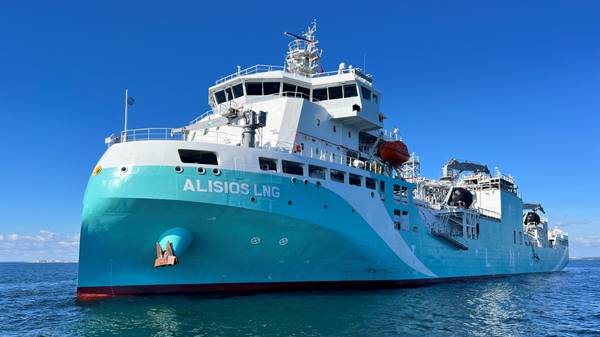
Axpo completes first LNG bunkering in Valencia, with over half bio-LNG
Ship-to-ship transfer to a container vessel makes Valencia the company's fourth Spanish port for LNG bunkering. |
|
|
|
||
|
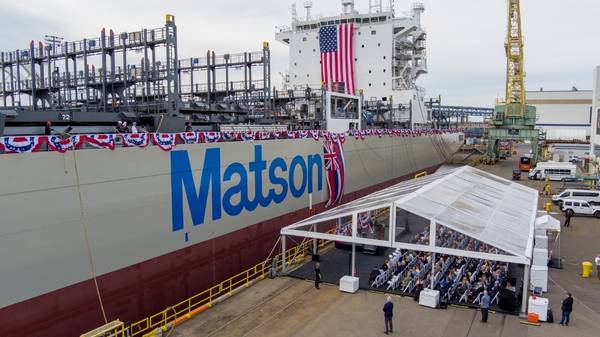
Matson christens Makua, first of three LNG-ready Aloha Class container ships
Dual-fuel vessel, due for delivery in early 2027, is the first of three ships worth around $1bn. |
|
|
|
||
|
CMB.Tech seeks Singapore-based ammonia operations manager for Asia Pacific
New hire will oversee ammonia chartering and bunkering and liaise with Far East partners. |
|
|
|
||
|
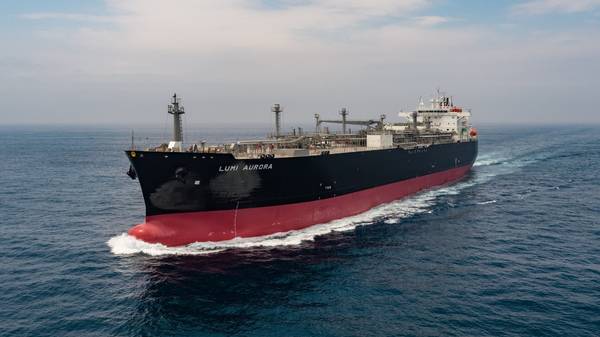
IINO Lines deploys first Ice Class IB VLGC on long-term charter to Borouge International
LPG-fuelled Lumi Aurora will carry North American gas to Borouge International's Porvoo plant in Finland. |
|
|
|
||
|
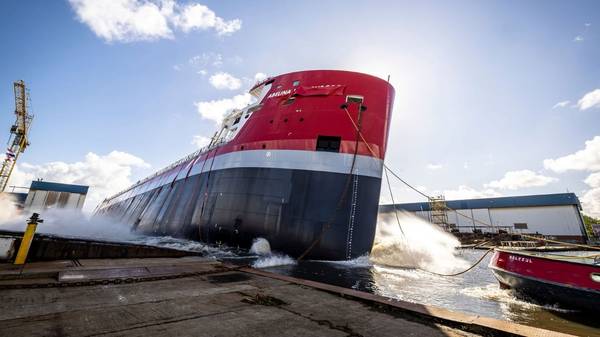
Wagenborg launches first EasyMax 2.0 vessel, prepared for methanol, ammonia and LNG
Abelina Wagenborg, built at Niestern Sander, is the first of a new generation designed for multiple alternative fuels. |
|
|
|
||
|
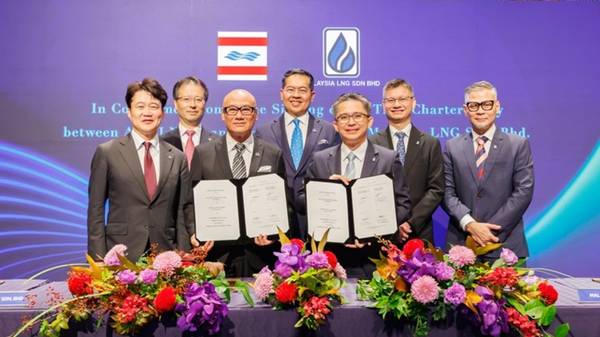
NYK–MISC joint venture signs charter for 18,700-cbm LNG carrier with Malaysia LNG
Asia LNG Transport will operate the dual-fuel diesel-electric newbuild, due from Hudong-Zhonghua in 2028, on routes to Japan. |
|
|
|
||

|
Study finds methanol dual-fuel retrofit of Kamsarmax bulk carrier would take about 75 days
Report by Mærsk Mc-Kinney Møller Center, involving Tsuneishi, puts conversion costs at 25–30% of the cost of a conventionally fuelled newbuilding. |
|
|
|
||
|
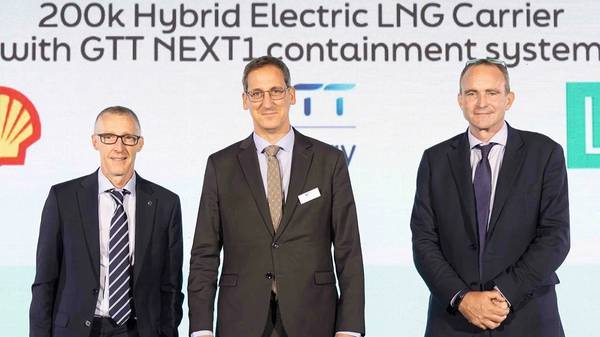
Lloyd's Register, Shell and GTT launch joint project on hybrid-electric 200,000-cbm LNG carrier
Partners to develop a concept combining hybrid-electric propulsion with GTT NEXT1 cargo containment technology for larger LNG carriers. |
|
|
|
||
|
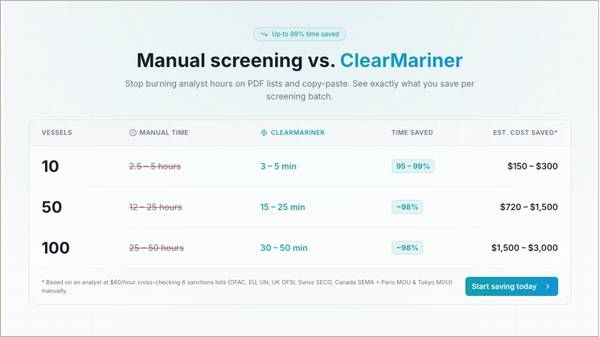
ClearMariner expands maritime sanctions screening with ESG, emissions and API support
Online service now combines sanctions checks with voyage CO₂, CII, EU ETS and FuelEU Maritime estimates. |
|
|
|
||

|
Flex Commodities adds Long Jing Xin to Singapore marine fuels team
Company appoints associate for marine fuels as part of plan for regional expansion. |
|
|
|
||
| Lloyd's Register, Shell and GTT launch joint project on hybrid-electric 200,000-cbm LNG carrier [News & Insights] |
| ClearMariner expands maritime sanctions screening with ESG, emissions and API support [News & Insights] |
| ABS and US Department of Energy sign MoU on maritime nuclear applications [News & Insights] |
| KEPCO E&C and Korean Register of Shipping to collaborate on marine SMR development [News & Insights] |
| India and EU sign letter of intent for green shipping corridor coalition [News & Insights] |
