
 |
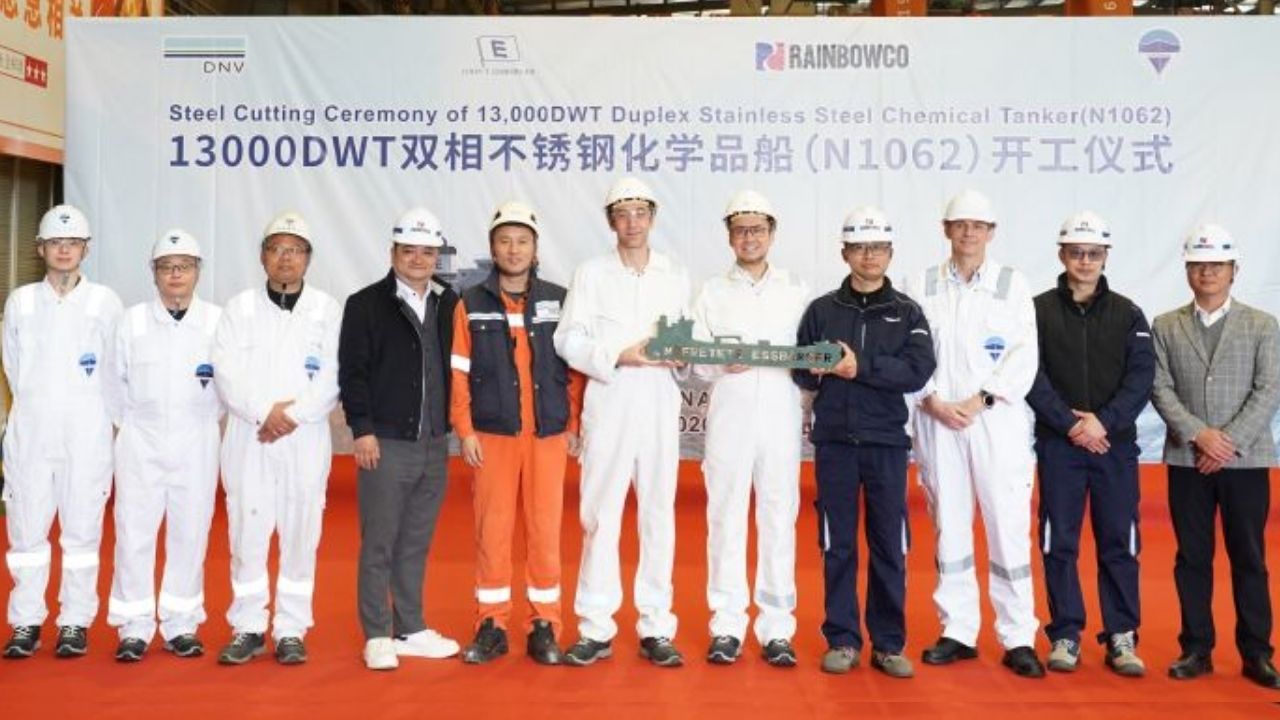
Nantong Rainbow Offshore & Engineering Equipment (ROC) has held a steel-cutting ceremony for the second 13,000-deadweight-tonne (DWT) duplex stainless steel chemical tanker under construction for German shipping company Essberger, marking the start of work on the vessel.
Among those attending the ceremony were Johan Isaksen, managing director of Essberger, Lars Skjelbred, site manager, Preben Rasmussen, director of Link Marine, Tao Yong, project manager at DNV, and Roy Fang, executive deputy general manager of ROC, together with members of the project team.
The 13,000-dwt tanker is being built to Ice Class 1A standards and is designed to comply with Tier III emissions requirements. ROC said the vessel will also feature methanol-ready and wind-assisted propulsion-ready capabilities.
The ship will have an overall length of 132 metres and a breadth of 21.8 metres, and will be fitted with 18 independent cargo tanks. According to the ROC, duplex stainless steel has been selected as the primary cargo tank material due to its corrosion resistance and low-temperature toughness, enabling the vessel to safely carry chemicals such as benzenes and alcohols.
Work on the first vessel in the series is already under way. ROC said the start of construction on the second ship will help support the steady progress of the remaining vessels and further strengthen its presence in the specialised vessel segment.
The vessels are intended for the carriage of a range of chemicals on international routes, with ROC highlighting cargo capacity, flexibility and energy-efficiency features as key elements of the design.
|
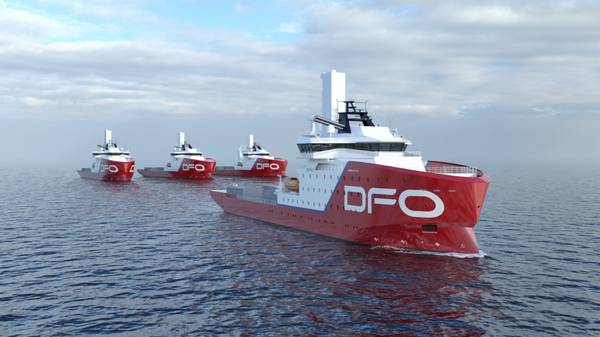
Dong Fang Offshore orders CSOV with battery-hybrid propulsion
Vard secures fifth newbuild contract from Taiwanese firm, with delivery scheduled for 2028. |
|
|
|
||
|
Spain sets out regulatory roadmap for biomethane and bio-LNG growth
Molgas outlines Spain’s biogas targets, certification rules and adoption barriers across transport, maritime and grid injection. |
|
|
|
||
|
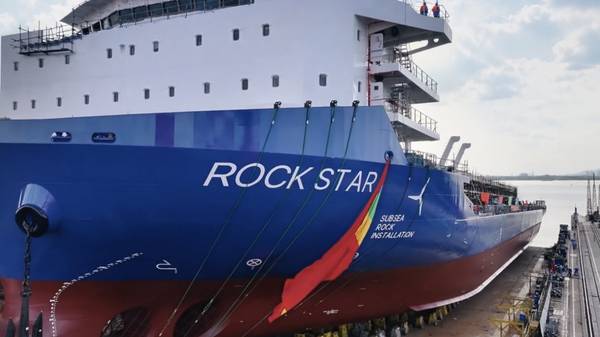
CSL and OWL launch first subsea rock installation vessel for offshore wind
MV Rock Star can run on MGO and methanol and is designed to support scour protection and cable burial for offshore wind projects. |
|
|
|
||
|
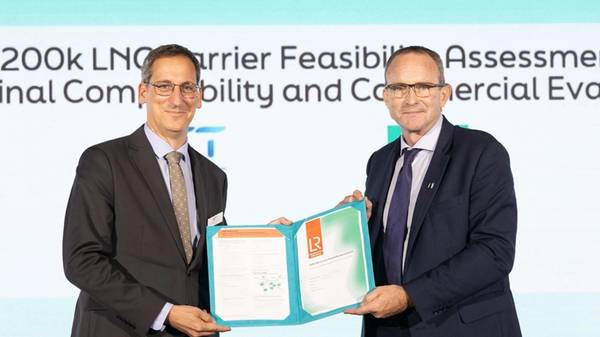
Lloyd’s Register study backs 200,000-cbm LNG carriers for fleet renewal
Analysis finds larger LNG carriers could cut transport costs while retaining access to most major terminals. |
|
|
|
||
|
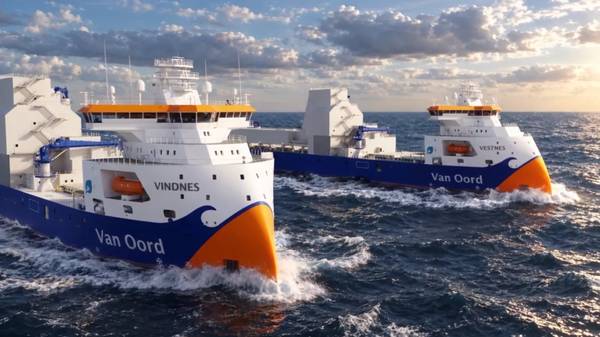
Van Oord names new fallpipe vessels with multi-fuel engines
Dutch marine contractor unveils two purpose-built subsea rock installation vessels due for delivery in 2028 and 2029. |
|
|
|
||

|
Höegh Autoliners signs contract for six dual-fuel LNG vessels
Aurora Class ships are designed to be converted to run on alternative fuels in the future. |
|
|
|
||
|
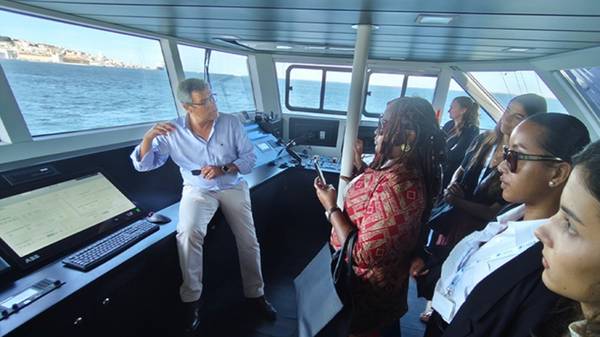
IMO and EMSA gather maritime experts to address seafarer training for alternative fuels
Experts examine how training frameworks must evolve as shipping adopts ammonia, methanol, hydrogen and other new technologies. |
|
|
|
||

|
Portsmouth port publishes white paper on UK’s first multi-berth shore power system
UK port shares lessons from five-year project in bid to spur nationwide uptake of the technology. |
|
|
|
||

|
IMO seminar examines technical hurdles facing ammonia as a marine fuel
Technical seminar under the Future Fuels and Technology Project attracts over 800 participants. |
|
|
|
||
|
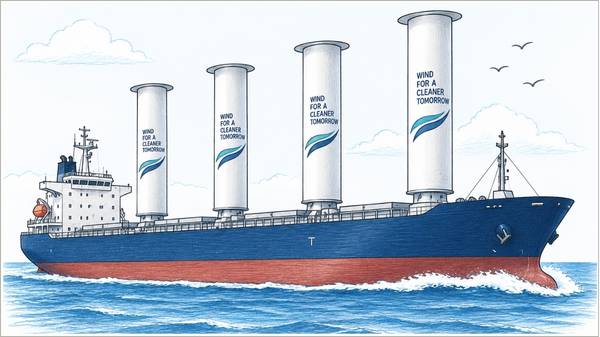
ICS to host webinar on wind-assisted propulsion for shipping
Event to bring together panel of industry experts to discuss wind propulsion as a decarbonisation option. |
|
|
|
||
| Dong Fang Offshore orders CSOV with battery-hybrid propulsion [News & Insights] |
| CSL and OWL launch first subsea rock installation vessel for offshore wind [News & Insights] |
| Van Oord names new fallpipe vessels with multi-fuel engines [News & Insights] |
| Höegh Autoliners signs contract for six dual-fuel LNG vessels [News & Insights] |
| Battery-hybrid vessel enters service as a floating classroom for research students [News & Insights] |
