
 |
Maritime and Port Authority of Singapore is working with international partners to maintain maritime operations and supply chain stability amid ongoing global uncertainty, according to its chief executive.
Speaking at the Asia Pacific Maritime Conference on 25 March, Ang Wee Keong said cargo flows through Singapore have remained stable in recent weeks, with sufficient bunker supply to meet demand. He added that the authority has issued multiple advisories to operators of Singapore-registered vessels since tensions in the Middle East began.
“The safety of seafarers and Singapore-flagged ships remains our utmost priority,” Ang said, noting that vessel movements in affected areas are being monitored in coordination with Singapore’s Information Fusion Centre.
The MPA is also advancing digitalisation across bunkering operations. Since April 2025, all licensed suppliers in Singapore have adopted digital bunkering by default, replacing paper-based processes. According to Ang, this shift has resulted in annual time savings of around 40,000 man-days across the industry.
In parallel, Singapore continues to expand its alternative fuel capabilities. The authority awarded three methanol bunkering licences last year and began accepting applications for additional LNG bunkering licences in January, requiring applicants to demonstrate readiness to supply lower-emission fuels such as biomethane.
On the infrastructure side, development of Tuas Port is progressing, with four additional berths scheduled to open this year, including a facility designed to test autonomous and digital port technologies. Once completed, Tuas is expected to become the world’s largest fully automated port.
Singapore is also collaborating with international partners through Green and Digital Shipping Corridors to explore solutions that enhance both connectivity and sustainability across maritime routes.
Looking ahead, the Ministry of Transport is preparing a Maritime Singapore Master Plan to guide long-term development of the sector, focusing on competitiveness, innovation and workforce capabilities. The plan will be developed in consultation with industry stakeholders and the wider public.
Ang noted that alongside geopolitical challenges, the industry continues to adapt to technological change and evolving fuel pathways, with digitalisation, automation and cleaner energy solutions expected to play a central role in strengthening resilience and supporting future growth.
|
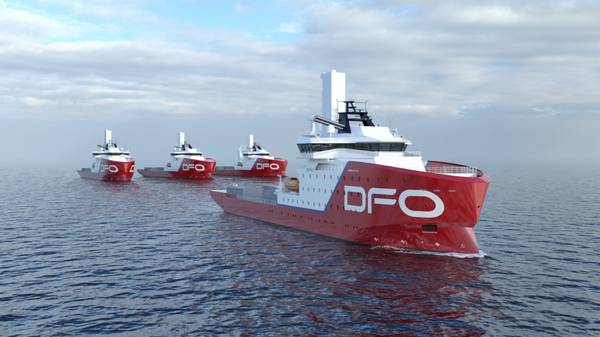
Dong Fang Offshore orders CSOV with battery-hybrid propulsion
Vard secures fifth newbuild contract from Taiwanese firm, with delivery scheduled for 2028. |
|
|
|
||
|
Spain sets out regulatory roadmap for biomethane and bio-LNG growth
Molgas outlines Spain’s biogas targets, certification rules and adoption barriers across transport, maritime and grid injection. |
|
|
|
||
|
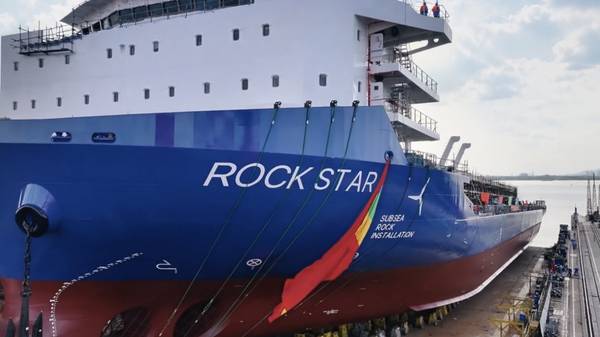
CSL and OWL launch first subsea rock installation vessel for offshore wind
MV Rock Star can run on MGO and methanol and is designed to support scour protection and cable burial for offshore wind projects. |
|
|
|
||
|
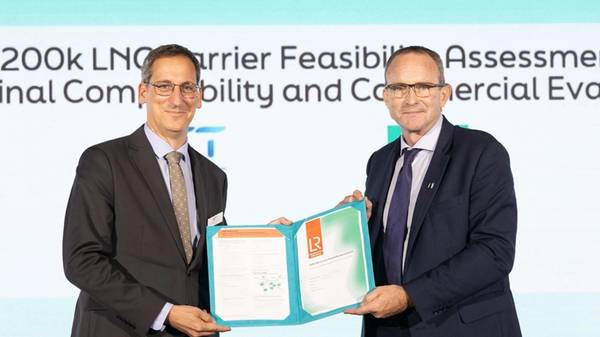
Lloyd’s Register study backs 200,000-cbm LNG carriers for fleet renewal
Analysis finds larger LNG carriers could cut transport costs while retaining access to most major terminals. |
|
|
|
||
|
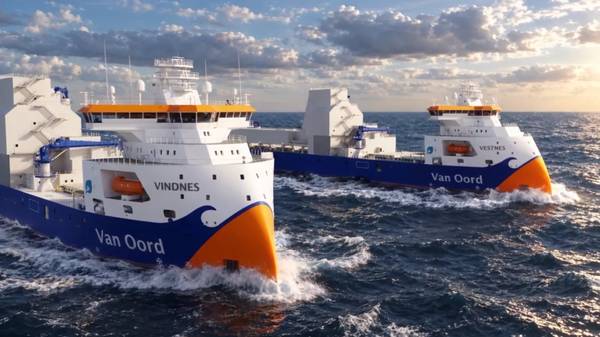
Van Oord names new fallpipe vessels with multi-fuel engines
Dutch marine contractor unveils two purpose-built subsea rock installation vessels due for delivery in 2028 and 2029. |
|
|
|
||
|
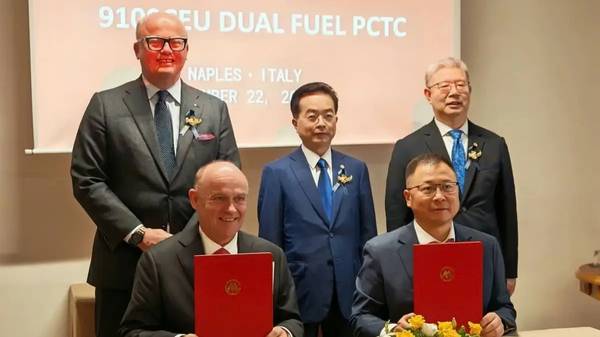
Höegh Autoliners signs contract for six dual-fuel LNG vessels
Aurora Class ships are designed to be converted to run on alternative fuels in the future. |
|
|
|
||
|
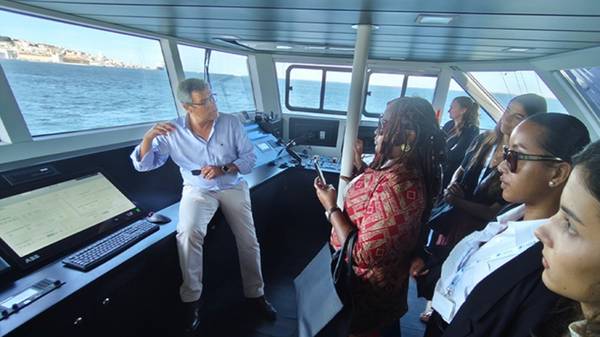
IMO and EMSA gather maritime experts to address seafarer training for alternative fuels
Experts examine how training frameworks must evolve as shipping adopts ammonia, methanol, hydrogen and other new technologies. |
|
|
|
||
|
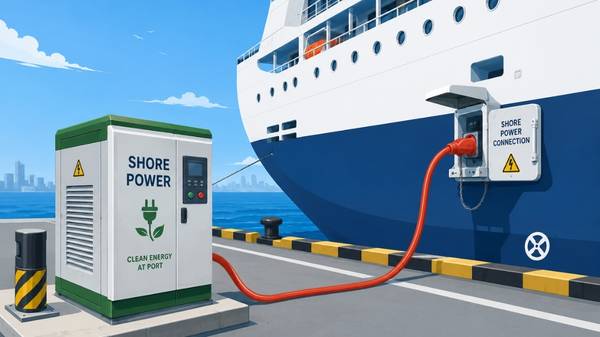
Portsmouth port publishes white paper on UK’s first multi-berth shore power system
UK port shares lessons from five-year project in bid to spur nationwide uptake of the technology. |
|
|
|
||
|
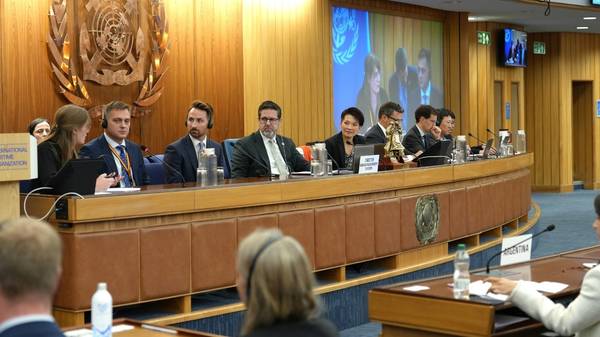
IMO seminar examines technical hurdles facing ammonia as a marine fuel
Technical seminar under the Future Fuels and Technology Project attracts over 800 participants. |
|
|
|
||
|
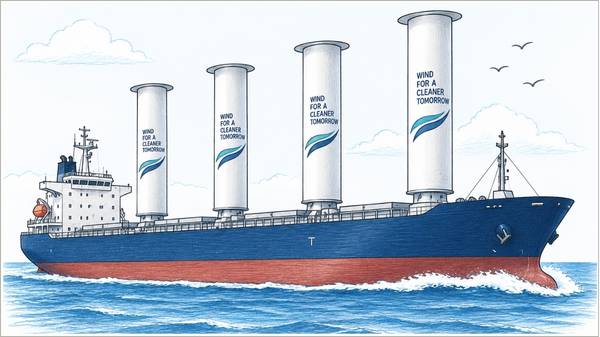
ICS to host webinar on wind-assisted propulsion for shipping
Event to bring together panel of industry experts to discuss wind propulsion as a decarbonisation option. |
|
|
|
||
| World Kinect marine segment posts record quarterly gross profit amid bunker price volatility [News & Insights] |
| IMO adopts Singapore-led resolution on protection of shipping lanes [News & Insights] |
| Fuel quality management for vessels in extended idle: Arabian Gulf, Gulf of Oman and adjacent anchorages | Rahul Choudhuri, VPS [News & Insights] |
| IMO chief urges progress on net-zero framework amid Hormuz crisis [News & Insights] |
| The emergence of B100 FAME in a volatile distillate market | Paul Hoather, VPS [News & Insights] |
