
 |
Petrobras says that it will effectively double the invoiced price of MGO and LSMGO in order to maintain its net revenue, a customer notification dated 17 March explains.
The move follows last week's introduction of a 50% export tax on diesel oil, including marine gasoil (MGO) and low-sulphur marine gasoil (LSMGO), by Brazil's federal government through Provisional Measure 1,340/2026, effective 12 March.
According to Petrobras's tax department interpretation, the levy applies to the total invoice amount rather than solely the product value. To achieve a net remuneration of $1,000 per tonne, the company says it must now invoice $2,000 per tonne — with 50% representing the tax and 50% constituting Petrobras' net revenue.
The tax does not apply to very-low-sulphur fuel oil (VLSFO) sales.
Petrobras acknowledged the effect the levy would have on customers. "We are fully aware of the significant impacts of this measure on our clients and on the MGO and LSMGO market in Brazil," the company said.
The supplier has outlined different approaches for transactions at various stages of completion.
For purchases concluded but not yet delivered, Petrobras is offering clients two options: cancellation without penalties for either party, or proceeding with delivery at twice the originally agreed price to reflect the full tax impact.
For purchases already delivered but not yet invoiced, the company will adjust the stem value to incorporate the tax, resulting in payment equivalent to double the original price.
Petrobras stated it is currently assessing how to proceed with collecting the tax on purchases delivered from 12 March onwards that have already been invoiced.
For new transactions, both nomination and stem prices will fully incorporate the tax impact and may deviate from international market benchmarks, the company noted.
The provisional measure represents a significant shift in Brazil's bunker fuel market pricing structure, potentially affecting the country's competitiveness as a bunkering destination for vessels requiring distillate marine fuels.
Brazil's provisional measures are temporary legislative instruments that take immediate effect but require congressional approval within a specified timeframe to become permanent law.
|
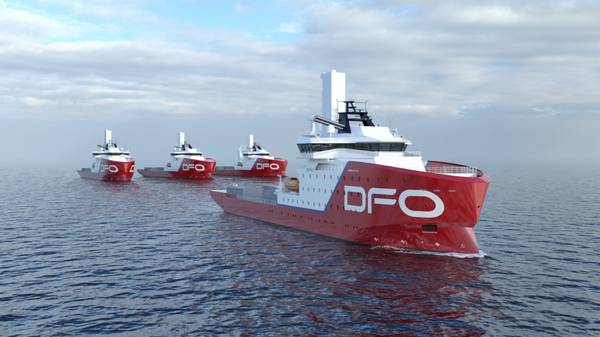
Dong Fang Offshore orders CSOV with battery-hybrid propulsion
Vard secures fifth newbuild contract from Taiwanese firm, with delivery scheduled for 2028. |
|
|
|
||
|
Spain sets out regulatory roadmap for biomethane and bio-LNG growth
Molgas outlines Spain’s biogas targets, certification rules and adoption barriers across transport, maritime and grid injection. |
|
|
|
||
|
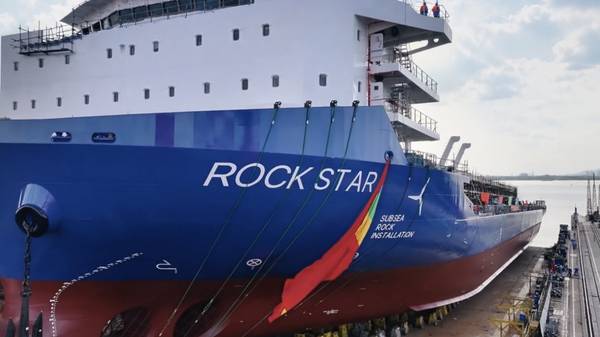
CSL and OWL launch first subsea rock installation vessel for offshore wind
MV Rock Star can run on MGO and methanol and is designed to support scour protection and cable burial for offshore wind projects. |
|
|
|
||
|
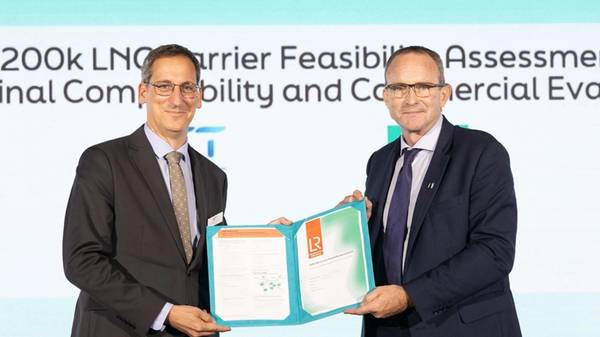
Lloyd’s Register study backs 200,000-cbm LNG carriers for fleet renewal
Analysis finds larger LNG carriers could cut transport costs while retaining access to most major terminals. |
|
|
|
||
|
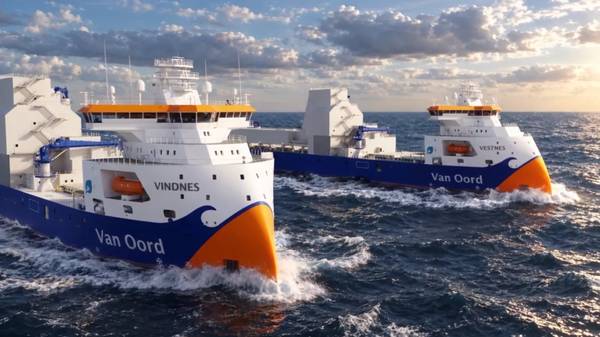
Van Oord names new fallpipe vessels with multi-fuel engines
Dutch marine contractor unveils two purpose-built subsea rock installation vessels due for delivery in 2028 and 2029. |
|
|
|
||
|
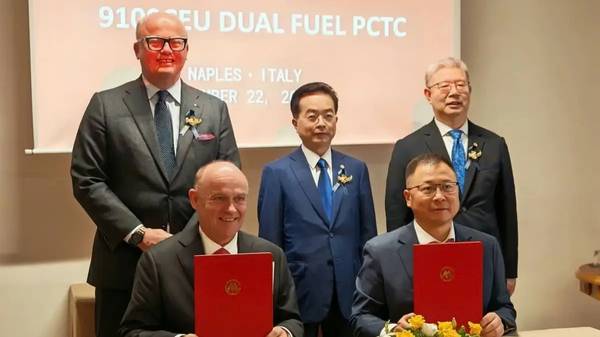
Höegh Autoliners signs contract for six dual-fuel LNG vessels
Aurora Class ships are designed to be converted to run on alternative fuels in the future. |
|
|
|
||
|
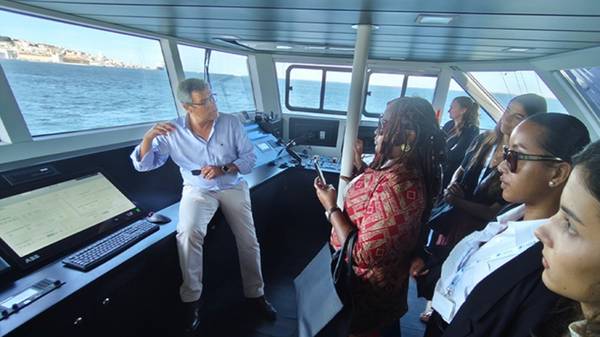
IMO and EMSA gather maritime experts to address seafarer training for alternative fuels
Experts examine how training frameworks must evolve as shipping adopts ammonia, methanol, hydrogen and other new technologies. |
|
|
|
||

|
Portsmouth port publishes white paper on UK’s first multi-berth shore power system
UK port shares lessons from five-year project in bid to spur nationwide uptake of the technology. |
|
|
|
||

|
IMO seminar examines technical hurdles facing ammonia as a marine fuel
Technical seminar under the Future Fuels and Technology Project attracts over 800 participants. |
|
|
|
||
|
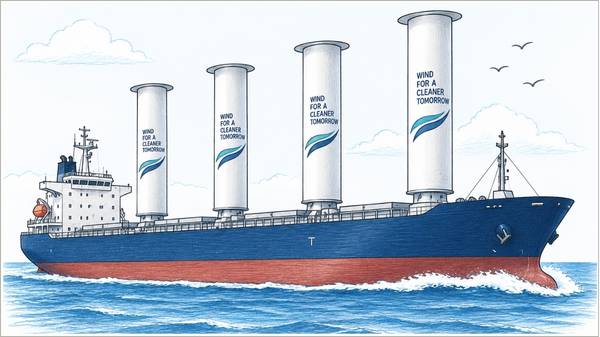
ICS to host webinar on wind-assisted propulsion for shipping
Event to bring together panel of industry experts to discuss wind propulsion as a decarbonisation option. |
|
|
|
||
| Petrobras suspends MGO export sales following Brazilian government’s 50% export tax [News & Insights] |
| Petrobras adjusts bunker pricing and minimum order volumes at Santos [News & Insights] |
| Petrobras and Transpetro order 41 vessels worth $470m for fleet renewal [News & Insights] |
| Petrobras signs renewable bunker fuel deal with Odfjell for Brazil-Norway green corridor [News & Insights] |
| Petrobras suspends bunker deliveries at Rio Grande after tropical storm [News & Insights] |
| Petrobras christens first vessel under Mar Aberto fleet renewal programme [News & Insights] |
| Petrobras signs 20-year LNG supply deal with Sempra Infrastructure [News & Insights] |
| Petrobras receives authorisation for export bunker sales by barge at Suape [News & Insights] |
| Petrobras resumes VLSFO sales at Itaqui as MGO supply disruption continues [News & Insights] |
