
 |
ScanOcean has launched a biofuel pooling solution in partnership with Ahti Climate, according to an announcement made by the Swedish bunker firm on 9 December.
The arrangement, which ScanOcean describes as a "pool-in-pool solution," is designed to allow shipowners to use their own biofuel consumption to cover FuelEU Maritime compliance requirements while accessing the larger Ahti Pool for additional flexibility.
According to the supplier, several vessels have already joined the pooling arrangement.
ScanOcean explained that the solution provides shipowners with transparency and flexibility for managing renewable fuel allocation and regulatory compliance. The company referred to the offering as the "ScanOcean Jacuzzi" and is now inviting additional customers to participate.
The FuelEU Maritime regulation, which entered into force in 2025, requires ships calling at EU ports to progressively reduce the greenhouse gas intensity of energy used on board.
Biofuel pooling arrangements allow multiple vessels to share the compliance benefits of renewable fuel consumption, potentially reducing costs and administrative burden for shipowners operating fleets with varying fuel consumption patterns.
ScanOcean stated it has been developing the solution "behind the scenes" to meet what it describes as the need for bunker companies to offer comprehensive services in 2025.
|
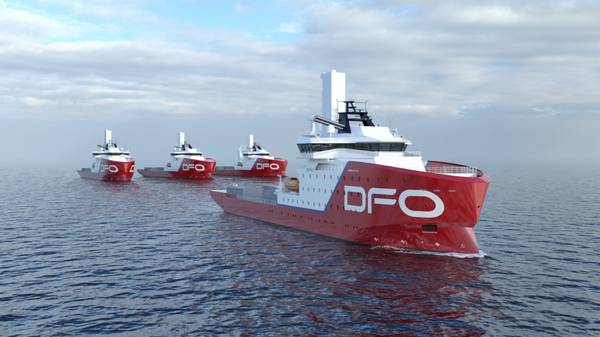
Dong Fang Offshore orders CSOV with battery-hybrid propulsion
Vard secures fifth newbuild contract from Taiwanese firm, with delivery scheduled for 2028. |
|
|
|
||
|
Spain sets out regulatory roadmap for biomethane and bio-LNG growth
Molgas outlines Spain’s biogas targets, certification rules and adoption barriers across transport, maritime and grid injection. |
|
|
|
||
|
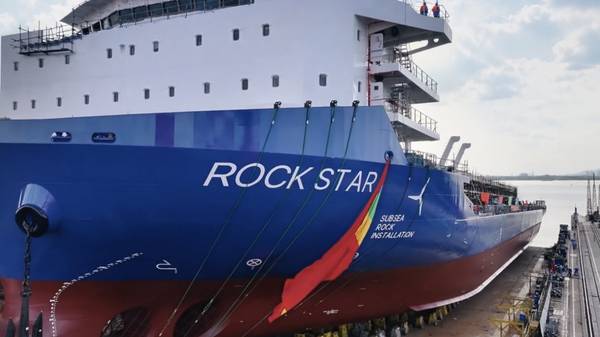
CSL and OWL launch first subsea rock installation vessel for offshore wind
MV Rock Star can run on MGO and methanol and is designed to support scour protection and cable burial for offshore wind projects. |
|
|
|
||
|
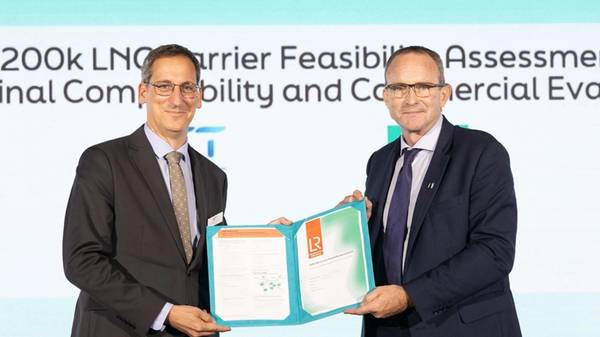
Lloyd’s Register study backs 200,000-cbm LNG carriers for fleet renewal
Analysis finds larger LNG carriers could cut transport costs while retaining access to most major terminals. |
|
|
|
||
|
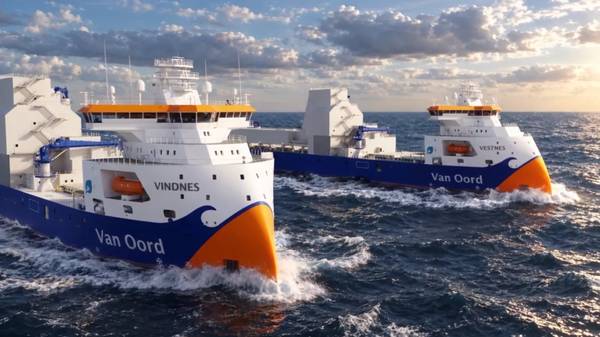
Van Oord names new fallpipe vessels with multi-fuel engines
Dutch marine contractor unveils two purpose-built subsea rock installation vessels due for delivery in 2028 and 2029. |
|
|
|
||

|
Höegh Autoliners signs contract for six dual-fuel LNG vessels
Aurora Class ships are designed to be converted to run on alternative fuels in the future. |
|
|
|
||
|
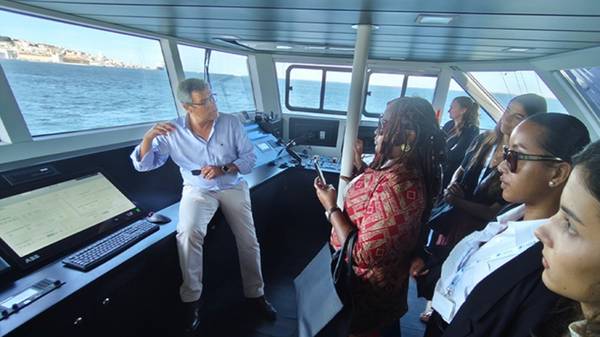
IMO and EMSA gather maritime experts to address seafarer training for alternative fuels
Experts examine how training frameworks must evolve as shipping adopts ammonia, methanol, hydrogen and other new technologies. |
|
|
|
||

|
Portsmouth port publishes white paper on UK’s first multi-berth shore power system
UK port shares lessons from five-year project in bid to spur nationwide uptake of the technology. |
|
|
|
||

|
IMO seminar examines technical hurdles facing ammonia as a marine fuel
Technical seminar under the Future Fuels and Technology Project attracts over 800 participants. |
|
|
|
||
|
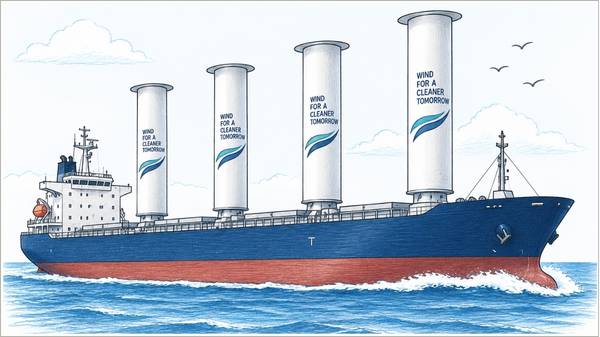
ICS to host webinar on wind-assisted propulsion for shipping
Event to bring together panel of industry experts to discuss wind propulsion as a decarbonisation option. |
|
|
|
||
| Tallink's MyStar joins Gasum's FuelEU Maritime compliance pool using bio-LNG [News & Insights] |
| Wallenius Sol joins Gasum's FuelEU Maritime compliance pool as bio-LNG generator [News & Insights] |
| Viking Line runs vessels on bio-LNG for Gasum's FuelEU Maritime compliance pool [News & Insights] |
| CSL and OWL launch first subsea rock installation vessel for offshore wind [News & Insights] |
| Portsmouth switches on UK’s first multi-berth shore power system [News & Insights] |
| Trafigura spins off VLCC fleet into new listed shipping company [News & Insights] |
| Four firms partner to trial continuous emissions monitoring on LNG carrier [News & Insights] |
| GTT Energy launches new LNG fuel tank design for container ships [News & Insights] |
