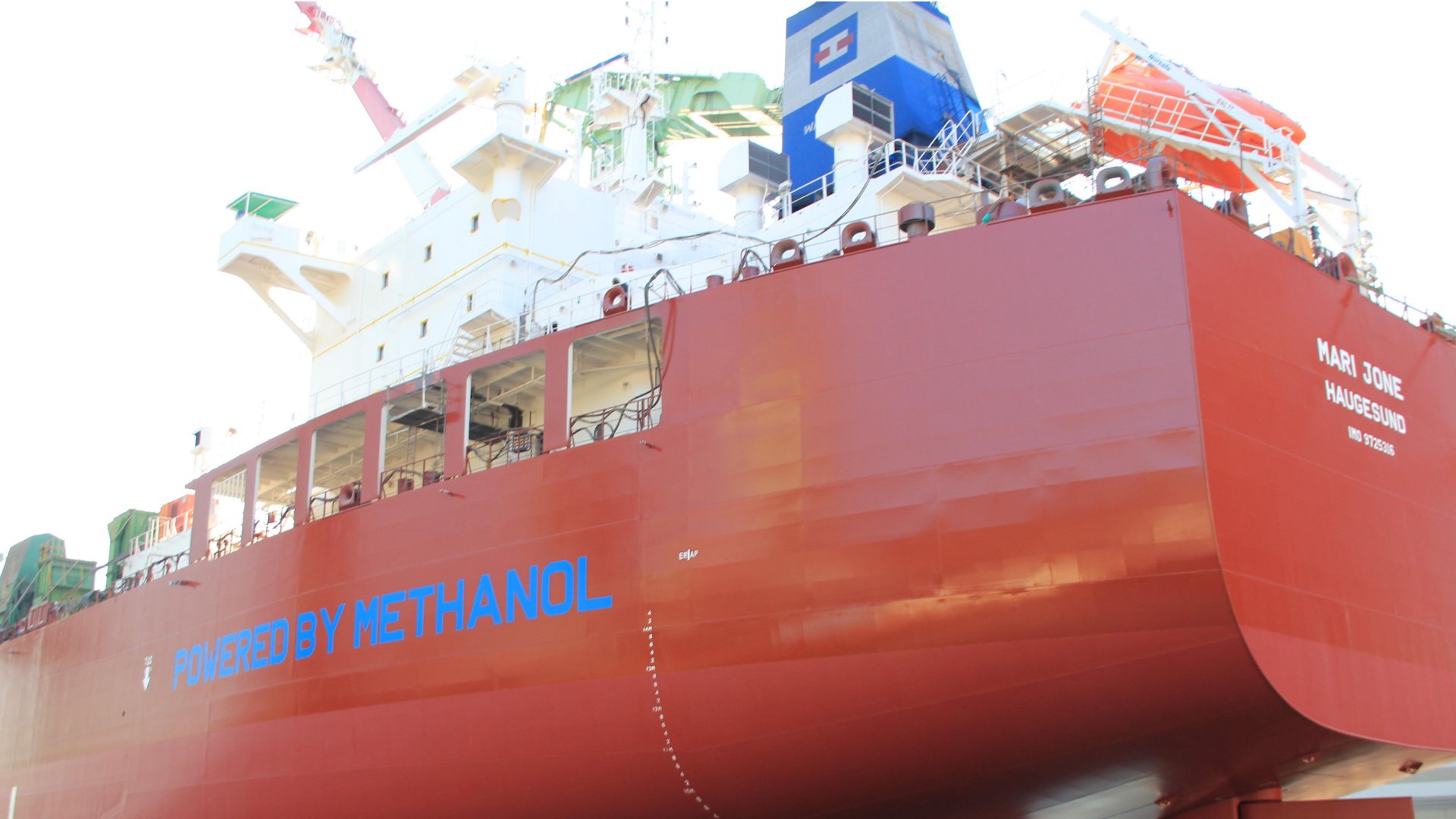
The Methanol Institute (MI) has published its first comprehensive guide to methanol as a marine fuel.
Entitled 'Marine Methanol Future-Proof Shipping Fuel', the report is designed to help support buyers' decision-making on which alternative fuel is right for their fleet.
Sections of the report address regulatory drivers, environmental performance, engines and fuel systems, bunkering, handling and safety characteristics, costs and pricing, availability and feedstocks for conventional and renewable product.
Also included are case studies on first movers, including AP Moller-Maersk, Waterfront Shipping, Proman Stena Bulk and the conversion of the ro-pax ferry Stena Germanica.
Approved under the IMO's IGF Code, the orderbook for methanol-fuelled ships has been grown rapidly, with owners and operators selecting the fuel for use on a range of vessel types — from the largest containerships to small pilot boats.
Propulsion systems include tried and tested two-stroke main engines, four stroke units, and fuel cells using methanol for conversion to hydrogen. Main engine manufacturers are developing ever larger, higher capacity units. And projects have been successfully converting smaller main engines to methanol operations.
"Methanol has staked a significant claim to be among the serious fuel choices for vessel designers, owners and operators looking to make a start on their transition to sustainable operations," said MI Chief Executive Officer Greg Dolan. "While there won’t be a single decarbonization solution, it is clear that methanol has advantages that combine to provide a pathway to lower carbon and ultimately carbon-neutral operations. This report provides a clear roadmap for this journey."
MI Chief Operating Officer, Chris Chatterton, commented: "Shipowners have recognised that methanol provides them with huge flexibility in introducing a low-pollution, lower carbon fuel which is closest to a drop-in available in the market."
Chatterton added: "The decision by more and more leading shipping companies to adopt methanol as fuel signals that the industry recognises the need to start its transition to net carbon neutrality now; this publication can support their decision-making process."
To download the guide, please click here.
|
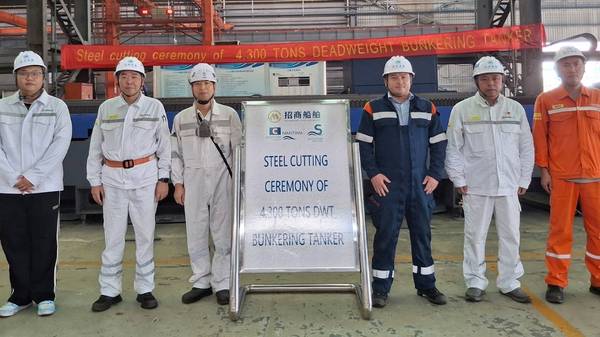
Maritima holds steel-cutting ceremony for Cap Morgiou, first of two Petroineos bunker vessels
Construction starts on bunker vessel able to carry conventional and low-carbon marine fuels, with delivery expected in early 2028. |
|
|
|
||
|
Singapore launches series of measures at SIBCON 2026
MPA announces LNG storage licences, digital bunkering grants and electric harbour craft incentives at 24th conference. |
|
|
|
||
|
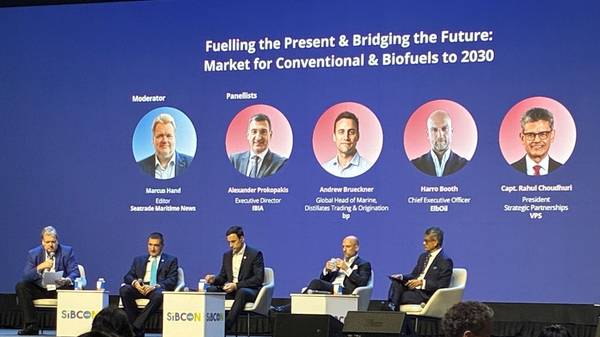
VPS outlines marine fuel standards and quality data at SIBCON 2026
VPS's Rahul Choudhuri addresses Singapore's evolving fuel standards and the quality of conventional fuels and biofuels. |
|
|
|
||
|
Singapore launches ammonia bunkering code and new standards for fuel sampling and polymer testing
MPA and Enterprise Singapore introduce one standard and two technical references at SIBCON. |
|
|
|
||
|
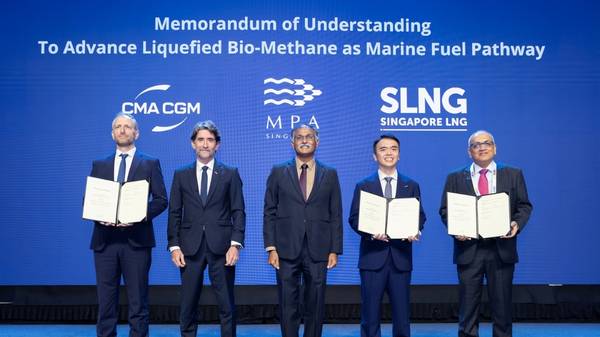
MPA, CMA CGM and SLNG sign MoU to explore liquefied biomethane as a marine fuel in Singapore
Three-way agreement will examine certification, supply and bunkering of LBM using Singapore's existing LNG infrastructure. |
|
|
|
||
|
ROC wins order for PSVs featuring replaceable containerised battery system
Nantong Rainbow Offshore secures 1+1 contract for 4,000 DWT platform supply vessels. |
|
|
|
||
|
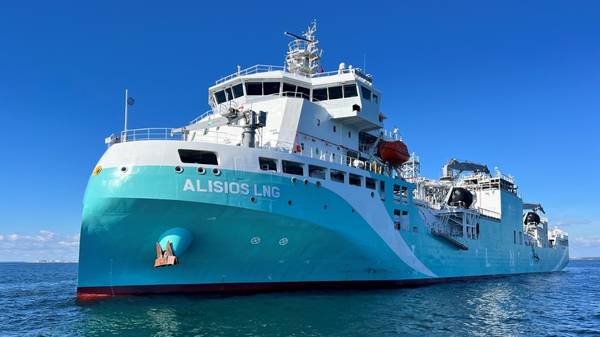
Axpo completes first LNG bunkering in Valencia, with over half bio-LNG
Ship-to-ship transfer to a container vessel makes Valencia the company's fourth Spanish port for LNG bunkering. |
|
|
|
||
|
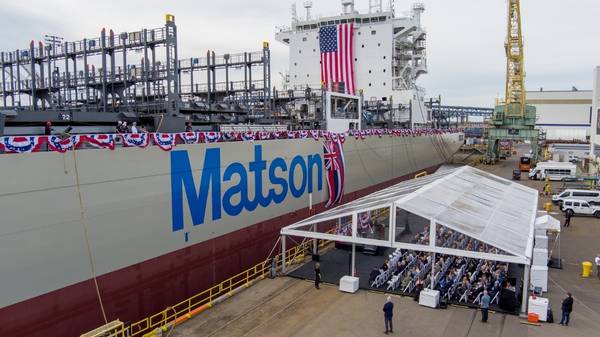
Matson christens Makua, first of three LNG-ready Aloha Class container ships
Dual-fuel vessel, due for delivery in early 2027, is the first of three ships worth around $1bn. |
|
|
|
||
|
CMB.Tech seeks Singapore-based ammonia operations manager for Asia Pacific
New hire will oversee ammonia chartering and bunkering and liaise with Far East partners. |
|
|
|
||
|
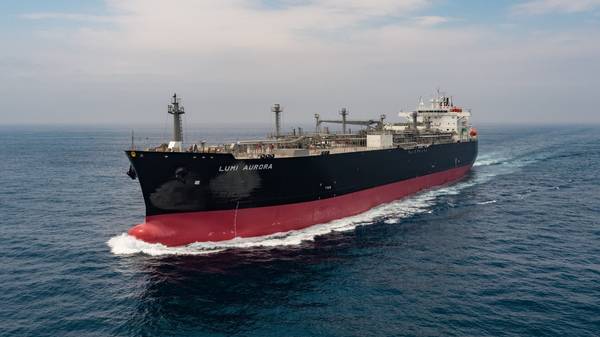
IINO Lines deploys first Ice Class IB VLGC on long-term charter to Borouge International
LPG-fuelled Lumi Aurora will carry North American gas to Borouge International's Porvoo plant in Finland. |
|
|
|
||
| Methanol fuel cell project 'proceeding as planned': Alfa Laval [News & Insights] |
| Maersk orders eight large methanol-fuelled boxships [News & Insights] |
| Methanol fuel cell project 'proceeding as planned': Alfa Laval [News & Insights] |
| Approval of methanol guidelines will release 'pent-up demand': Methanol Institute [News & Insights] |
| Matson christens Makua, first of three LNG-ready Aloha Class container ships [News & Insights] |
| Study finds methanol dual-fuel retrofit of Kamsarmax bulk carrier would take about 75 days [News & Insights] |
| LNG dual-fuel boxship handed over to Eastern Pacific Shipping [News & Insights] |
| Changhong International lays keel of third 3,100-TEU boxship for Costamare Shipping [News & Insights] |
| CMA CGM takes delivery of methanol dual-fuel newbuild [News & Insights] |