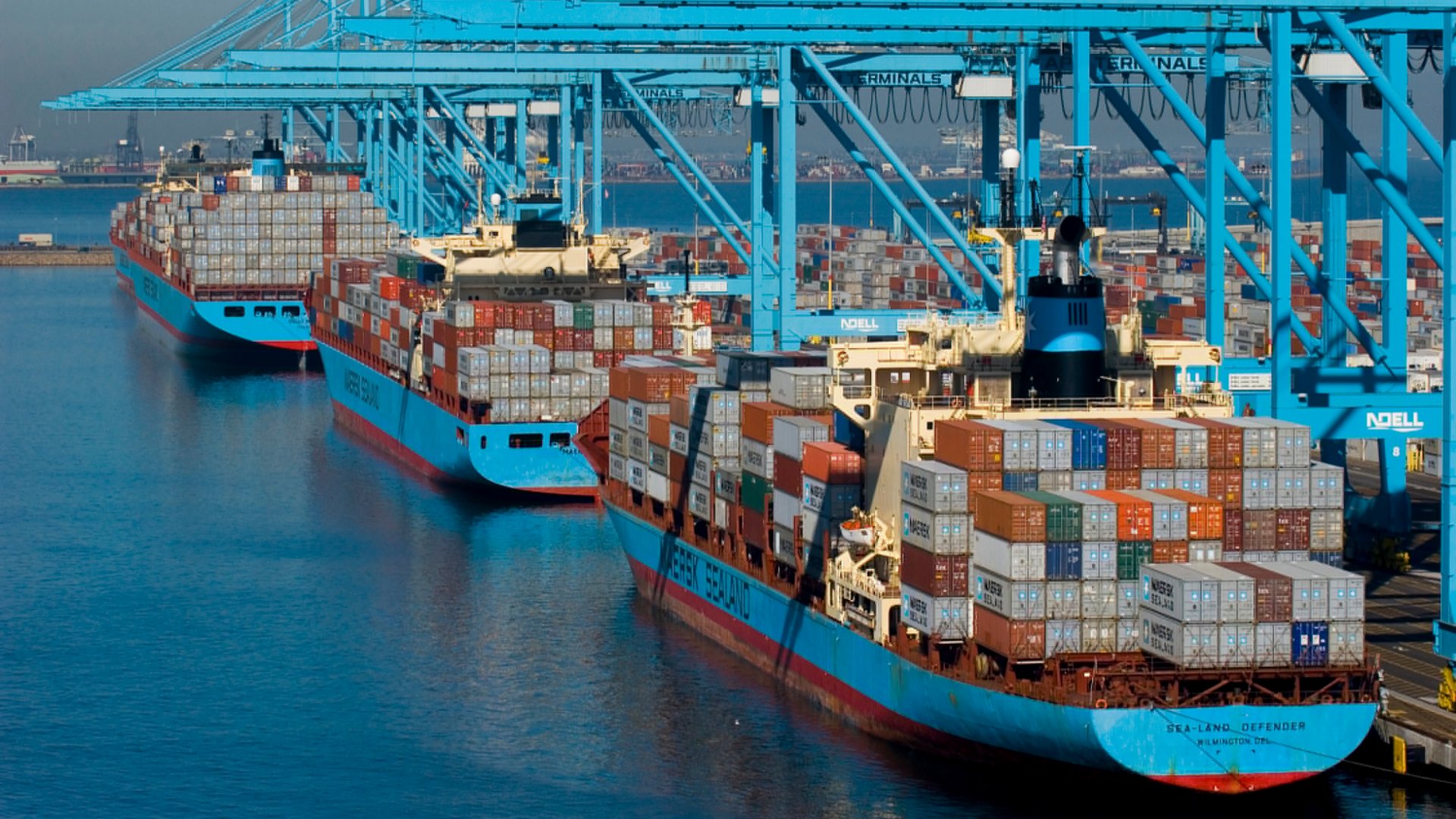
A.P. Moller - Maersk reports that its Ocean segment spent $2.708bn more on bunker fuel in 2022 compared to the previous year.
Maersk: Bunker costs, 2018-2022
| Year | $bn | +/-($bn) | +/-(%) |
| 2022 | 8.077 | +2.708 | +50.4 |
| 2021 | 5.369 | +1.534 | +40.0 |
| 2020 | 3.835 | -0.731 | -16.0 |
| 2019 | 4.566 | -0.476 | -9.4 |
| 2018 | 5.042 | +1.670 | +49.5 |
Maersk: Average bunker price, 2018-2022
| Year | Price($/mt) | +/-($) | +/-(%) |
| 2022 | 763 | +279 | +57.6 |
| 2021 | 484 | +112 | +30.1 |
| 2020 | 372 | -40 | -9.7 |
| 2019 | 412 | -12 | -2.8 |
| 2018 | 424 | +103 | +32.1 |
Maersk: Bunker consumption, 2018-2022
| Year | MMT | +/- MMT | +/-(%) |
| 2022 | 10.579 | -0.511 | -4.6 |
| 2021 | 11.090 | +0.768 | +7.4 |
| 2020 | 10.322 | -0.770 | -6.9 |
| 2019 | 11.092 | -0.802 | -6.7 |
| 2018 | 11.894 | +1.499 | +14.4 |
Ocean results: In its financial results, Ocean's profitability reached historically high levels in 2022 as operating earnings (EBITDA) reached $33.77bn — a YoY improvement of $12.338bn — and profit before financial items (EBIT) of $29.149bn was up $11.186bn on the previous period.
Group performance: As regards overall group results, A.P. Moller - Maersk posted a net underlying profit of $29.703bn — an increase of $11.533bn on the previous year's result.
Analysis, 2023: In its guidance for 2023, Maersk said a $100 change in the price of bunker fuel would lead to the group's EBIT varying by $0.4bn.

|
IBT Bunkering & Trading appoints Sales Support Specialist
Björn Hauschild joins from shipyard broker CombiTrade. |
|
|
|
||
|
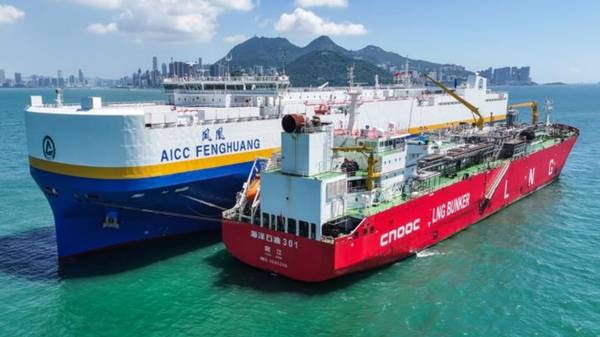
CLPe and CNOOC complete Hong Kong's first LNG bunkering of a pure car and truck carrier
Ship-to-ship operation delivered around 2,600 cbm of LNG to dual-fuel vessel AICC Fenghuang. |
|
|
|
||
|
Mercuria seeks senior sales and account manager for bunker delivery platform
Role can be based either remotely or at one of its offices in London, Geneva, Athens, or Las Palmas. |
|
|
|
||
|
Molgas Energy Group appoints Riaan van Kralingen as head of clean fuels
Van Kralingen will oversee the company's liquefied biomethane and EU allowance portfolios, succeeding Caspar Gooren. |
|
|
|
||
|
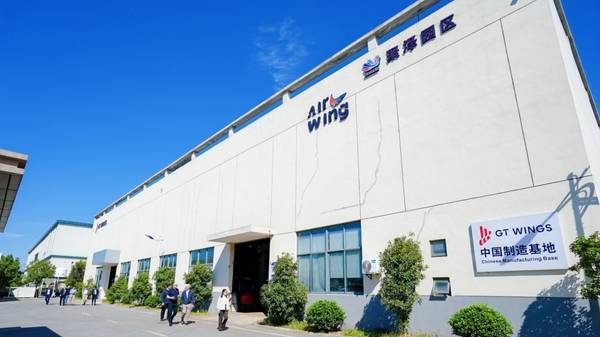
GT Wings launches compact AirWing S Jet Sail for smaller vessels
Wind propulsion developer adds lightweight unit to AirWing range as first customer-ordered AirWing20 units near completion. |
|
|
|
||
|
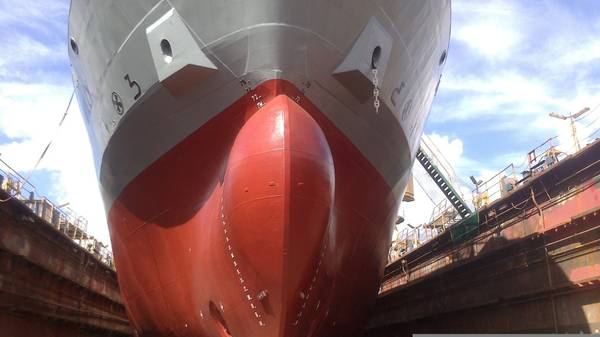
LR publishes retrofit guidance covering alternative fuels and energy-saving devices in one framework
New Guidance Notes address LNG, methanol, ammonia, hydrogen, wind-assisted propulsion and air lubrication retrofits for existing ships. |
|
|
|
||
|
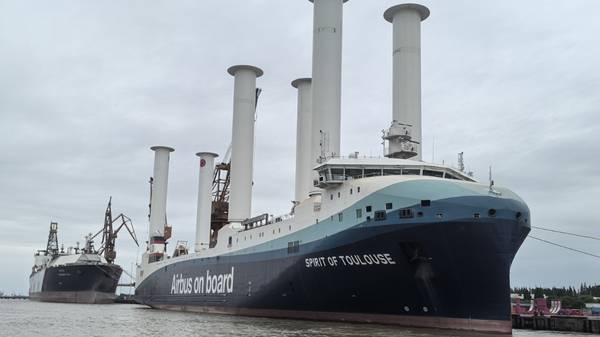
LD Armateurs' Spirit of Toulouse fitted with six Norsepower rotor sails
Six 35m rotor sails installed on the first of three methanol-capable ro-ro ships chartered by Airbus. |
|
|
|
||
|
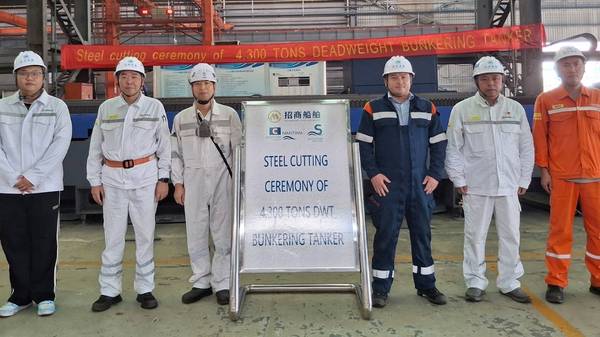
Maritima holds steel-cutting ceremony for Cap Morgiou, first of two Petroineos bunker vessels
Construction starts on bunker vessel able to carry conventional and low-carbon marine fuels, with delivery expected in early 2028. |
|
|
|
||

|
Singapore launches series of measures at SIBCON 2026
MPA announces LNG storage licences, digital bunkering grants and electric harbour craft incentives at 24th conference. |
|
|
|
||
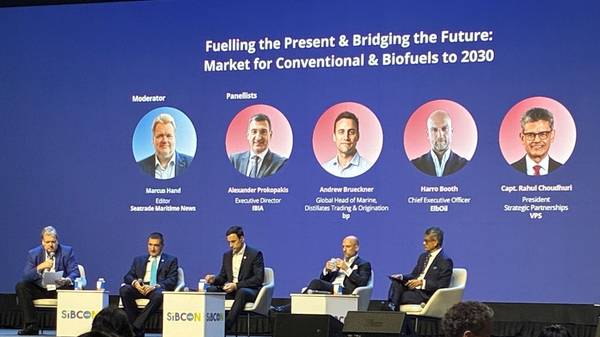
|
VPS outlines marine fuel standards and quality data at SIBCON 2026
VPS's Rahul Choudhuri addresses Singapore's evolving fuel standards and the quality of conventional fuels and biofuels. |
|
|
|
||
| Maersk orders eight large methanol-fuelled boxships [News & Insights] |
| BP and Maersk Tankers complete B30 biofuel trials [News & Insights] |
| Matson christens Makua, first of three LNG-ready Aloha Class container ships [News & Insights] |
| LNG dual-fuel boxship handed over to Eastern Pacific Shipping [News & Insights] |
| Changhong International lays keel of third 3,100-TEU boxship for Costamare Shipping [News & Insights] |
| CMA CGM takes delivery of methanol dual-fuel newbuild [News & Insights] |
| Wärtsilä to supply dual-fuel engines for 12 CMA CGM container ships [News & Insights] |