SEA\LNG, the multi-sector industry coalition aiming to accelerate the widespread adoption of LNG as a marine fuel, says it strongly supports the decision of the Marine Environment Protection Committee (MEPC) to reaffirm the January 1, 2020 implementation date of the 0.50 percent sulphur fuel limit.
The LNG alliance says it also applauds the adoption of the amendment to MARPOL Annex VI for a carriage ban on non-compliant fuels for vessels without an approved equivalent arrangement to meet the sulphur limit - such as an exhaust gas cleaning system (EGCS) - on March 1, 2020.
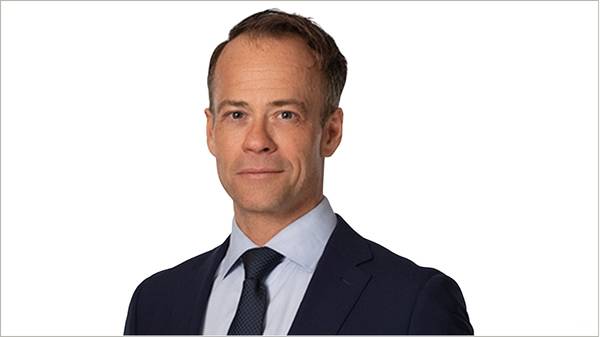
SEA\LNG chairman and executive vice president of TOTE Inc.,
Peter Keller, commented: "We believe both actions provide greater certainty to ship owners considering new build and retrofit investment options in compliant marine fuelling solutions such as LNG. This sends a strong message to the whole maritime industry, including fuel suppliers to be prepared to deliver compliant marine fuels."
SEA\LNG was also keen to highlight the role of LNG in helping to achieve the IMO's target for a 40 percent reduction in carbon intensity by 2030 and total emissions by at least 50 percent by 2050. Compared to existing heavy marine fuel oils, LNG is said to emit around 90 percent less nitrogen oxides (NOx), zero sulphur oxides (SOx) and virtually zero particulate matter (PM).
On the issue of methane - the major constituent of LNG which is widely considered to be around twenty-five times more harmful than CO2 - SEA\LNG stressed that through the use of best practices and appropriate technologies to minimize methane leakage, "realistic reductions of GHG by 10-20 percent compared with conventional fuels can be achieved".
Keller said: "Improvements in marine propulsion systems continue to advance apace, with today's engines already significantly ahead of previous years' technologies. It is expected that these improvements will continue as OEMs concentrate on accelerating emissions performance. In combination with efficiency measures being developed for new ships in response to the IMO's Energy Efficiency Design Index (EEDI), LNG provides a viable and effective means of achieving the IMO's target for a 40% reduction in carbon intensity by 2030, as well as longer term goals."
"Meeting the ambitious emissions targets set by the IMO requires unified action from the entire shipping industry, including ship owners, the supply chain, scientists, engineers and analysts. Academic studies and other discussions that criticise the effectiveness of proven alternative fuelling solutions such as LNG, but stop short of offering realistic alternatives, will only detract from genuine efforts to reach the IMO0s goals," Keller concluded.