Tue 17 Apr 2018, 11:42 GMT

DNV GL examines alternative fuels in new white paper


Comparison made with conventional and low-sulphur fuels.


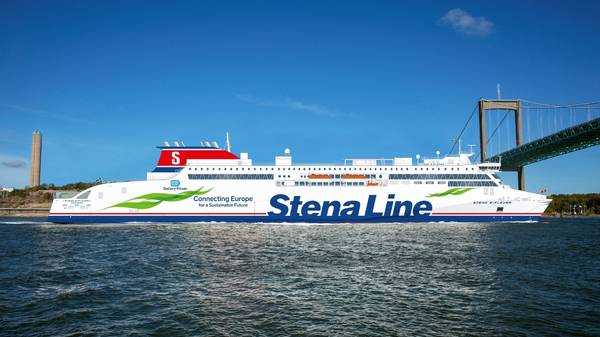
DNV GL's white paper, entitled 'Alternative fuels and technologies for greener shipping', examines the price, availability, regulatory challenges and environmental benefits of alternative fuels and technologies.
Image credit: DNV GL
Classification society DNV GL has published a new white paper which assesses a range of alternative fuels and technologies.

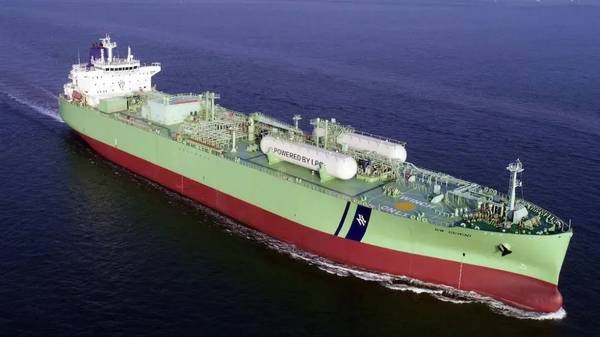
The new document, entitled 'Alternative fuels and technologies for greener shipping', examines the price, availability, regulatory challenges and environmental benefits of alternative fuels and technologies, including LNG, LPG, hydrogen, fuel cells, and hybrid and battery technologies, and comparing them to the use of conventional fuel with scrubbers and new low-sulphur alternatives.

Through the white paper, DNV GL says it intends to offer the shipping industry insights that will help them in their preparations for the upcoming 0.5% global cap on the sulphur content of marine fuel, which is due to come into effect on January 1, 2020.

"The incoming International Maritime Organization (IMO) sulphur cap on emissions from shipping could have a significant effect on the maritime industry, and it has the potential to be a game changer for alternative fuels," explained Trond Hodne, Senior Vice President, Sales & Marketing Director at DNV GL - Maritime.

"Our new white paper is designed to set out the options for interested stakeholders and to offer a balanced assessment of the potential of these fuels and technologies going forward. We hope that by doing so we can add to the growing body of knowledge and enable investment decisions to be made with greater certainty and confidence."

The technologies and fuels considered in the white paper are many of the most commonly used in the shipping industry today: LNG, LPG, methanol, biofuel, hydrogen, battery systems, fuel cell systems, and wind-assisted propulsion.

The white paper identifies and examines the factors that will affect the uptake and acceptance of alternative fuels and technologies in shipping, including: environmental compatibility, availability, fuel costs and the international rules within the IGF Code.

Over the short term, the white paper foresees that the vast majority of conventionally fuelled vessels already in service will either switch to low-sulphur conventional fuels, or implement a scrubber system while continuing to use heavy fuel oil (HFO).

For newbuild vessels, the sulphur cap could be a major driver for alternative fuels, and DNV GL's Gerd Wursig, Business Director Alternative fuelled ships, at DNV GL - Maritime, believes that LNG is the prime contender among them.

"LNG has already overcome the barriers related to international legislation and is available in sufficient quantities today to meet the requirements of the shipping industry for many years. It also fits within the trend of demands to lower emissions of CO2, NOx and particulate matter. At the end of the day however, the best concept for a given application needs to be determined by the shipowner on a case-by-case basis, and at DNV GL we are ready to assist in finding the best solution."

The full white paper can be downloaded here.


United LNG I bunker vessel alongside Blue Aspire vessel. Titan charters 8,000-cbm LNG bunker vessel for ZARA region operations  

United LNG I to deliver LNG and bio-LNG across Amsterdam, Rotterdam, Antwerp and Zeebrugge ports.

Flag of Mauritania. Peninsula begins physical bunker supply operations in Mauritania  

Marine fuel supplier operating two barges following licence award from the Mauritanian National Hydrocarbons Commission.

X-Press Cassiopeia vessel. PuriFire Energy signs biomethanol supply deal with X-Press Feeders  

Letter of intent covers up to 15,000 tonnes annually for feeder carrier’s fleet.

Alan Yang and Yujin Kang, Flex Commodities. FLEX Commodities opens Seoul office with new Korea leadership team  

Dubai-based trader establishes South Korea presence with appointments of Alan Yang and Yujin Kang.

Eng. Sulaiman Ali Al Hadhrami, O Bunkering. O Bunkering appoints Sulaiman Alhadhrami as chief executive officer  

Omani bunker supplier names new CEO to lead growth and expansion in the maritime sector.

Shore power system. Zhoushan expands shore power infrastructure as part of emissions reduction drive  

Chinese port city reports 30% increase in shore power usage across terminals and berths.

Hamburg Express vessel. Hapag-Lloyd and Kuehne+Nagel partner on biofuel initiative for Asia-Europe trade  

Agreement covers 3,300-teu using waste-based biofuels, targeting a 2,979-tonne CO₂e reduction in 2026.

Rendering of a tug vessel. Berg Propulsion to supply electric propulsion systems for India’s green tugs  

Swedish firm to provide thrusters and electrical integration for two 60-tonne bollard pull battery-electric vessels.

Singapore skyline with Merlion and central business district. World Fuel seeks marine fuel supply executive in Singapore  

Role to manage supplier relationships and source marine fuel across South-East Asia and Australia-New Zealand.

OOCL Wisdom naming ceremony. OOCL names first methanol dual-fuel vessel  

Orient Overseas Container Line christens OOCL Wisdom, dubbed the world’s largest methanol dual-fuel container vessel.