Tue 6 Feb 2018, 08:52 GMT

Oil and fuel oil hedging market update


By the Oil Desk at Freight Investor Services.


Commentary

Brent closed last night down 0.96 to $67.62, WTI closed at $64.15 down 1.30. Ouch for oil. Oucheeee for stocks yesterday. Look, I know I can be truculent sometimes, but I've read some pretty aggressive pieces which have been arguing that oil has been overpriced and the stock markets overinflated this morning. Well done, give yourself a pat on the back, but even a stopped clock is right twice a day. They warned you all that demand was never there to justify a rally on Brent all the way up to $70 per bbl. $70 per bbl was that whisky at the end of the night of a long hard session in the pub that you just don't need and are going to regret in the morning. Even though at the time you think it's the best idea and you look at your glass thinking where has this been all my life? I'm sure that the wider economic situation has added to the oil market being sold off owing to the crash on various stock exchanges around the world. Let's also not forget that the people who are buying this market are local traders sitting at home in their underpants watching reruns of Top Gear on Dave. They will have been some of those people with huge long positions, and, of course, when it looks a bit top of the range and with weak other factors, you would sell out and bank the profit. The market is fickle, yes, but it always follows the same pattern and that isn't going to change. That would be like being married for 50 years and suddenly one day you decide you want to sleep on the other side of the bed. It would just be weird, and some things never change. Just like the Hawaii nuclear attack warning, this is a false alarm, there is no crisis. We have talked about a pull-back technically, and, low and beyond, we have checked our advance upwards. At ease people. API data out later - and we all know how reliable those are.

Fuel Oil Market (February 5)

The front crack opened at -10.55, strengthening to -10.15, before weakening to -10.40. The Cal 19 was valued at -14.90.

Asia's fuel oil markets kicked off the week on a muted note with limited trade activity in both the physical and derivatives markets. Expectations of further weakness in crude oil prices likely kept buyers on the sidelines on Monday.

Oil prices on Monday extended declines from the end of last week amid a wider market selloff and a stronger dollar, with Brent crude falling to its lowest in nearly a month.

Meanwhile, selling pressure weighed on the near-dated 180 cSt fuel oil structure as the front-month time spread of the fuel flipped to contango for the first time since Jan. 22 amid limited demand for the fuel. Venezuela's Amuay refinery partially resumed operations during the week, although some units are still not working, a union leader and a worker said on Saturday.

Economic Data and Events

* 1:30pm: U.S. Trade Balance, Dec.

* 3pm: U.S. JOLTS Job Openings, Dec.

* 5pm: EIA monthly STEO report

* 9:30pm: API issues weekly U.S. oil inventory report

Singapore 380 cSt

Mar18 - 372.50 / 374.50

Apr18 - 372.00 / 374.00

May18 - 372.00 / 374.00

Jun18 - 371.25 / 373.25

Jul18 - 369.75 / 371.75

Aug18 - 368.25 / 370.25

Q2-18 - 371.75 / 373.75

Q3-18 - 368.25 / 370.25

Q4-18 - 363.25 / 365.75

Q1-19 - 354.25 / 356.75

CAL19 - 317.25 / 320.25

CAL20 - 249.50 / 254.50

Singapore 180 cSt

Mar18 - 378.75 / 380.75

Apr18 - 378.25 / 380.25

May18 - 378.00 / 380.00

Jun18 - 377.25 / 379.25

Jul18 - 376.00 / 378.00

Aug18 - 374.50 / 376.50

Q2-18 - 377.75 / 379.75

Q3-18 - 374.75 / 376.75

Q4-18 - 370.00 / 372.50

Q1-19 - 362.50 / 365.00

CAL19 - 326.25 / 329.25

CAL20 - 260.25 / 265.25

Rotterdam Barges

Mar18 359.50 / 361.50

Apr18 359.25 / 361.25

May18 358.50 / 360.50

Jun18 357.50 / 359.50

Jul18 355.75 / 357.75

Aug18 - 353.75 / 355.75

Q2-18 358.25 / 360.25

Q3-18 353.50 / 355.50

Q4-18 344.00 / 346.50

Q1-19 334.50 / 337.00

CAL19 294.75 / 297.75

CAL20 231.75 / 236.75


Proteus Supply and Trading and Propeller Fuels logo. Propeller Fuels and Proteus Supply and Trading form commercial partnership to expand Americas coverage  

US-based Proteus and UK-based Propeller Fuels unite operations across the Americas and beyond.

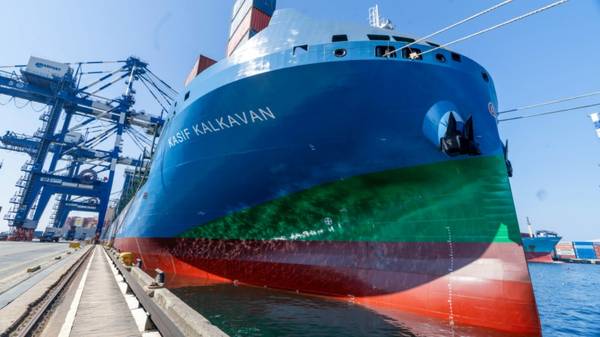
Kasif Kalkavan vessel. Turkon Line’s LNG-powered Kaşif Kalkavan makes maiden call at Marport  

Türkiye’s largest domestically built LNG-fuelled container ship has docked at Marport for the first time.

Vinoth Kumar, Flex Commodities. Flex Commodities appoints Vinoth Kumar as general accountant  

Dubai-based bunker trader strengthens finance team with new accounting hire.

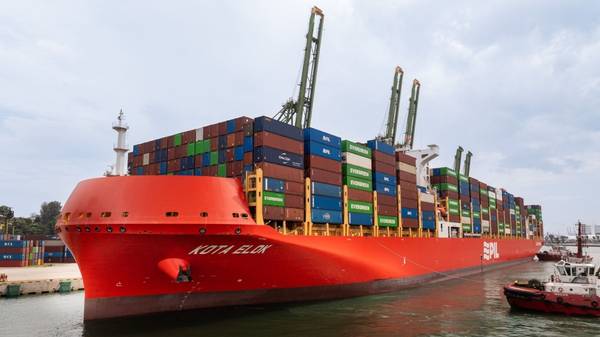
Kota Elok vessel. PIL's first LNG dual-fuel boxship receives cybersecurity certification on Singapore maiden call  

Pacific International Lines' 13,000-teu vessel Kota Elok becomes the first PIL ship certified to IACS cyber-resilience standards.

Princess cruise ship. Wärtsilä and Carnival Corporation sign 8-year lifecycle agreement for LNG-fuelled cruise vessels  

Deal covers four vessels across the Princess Cruises and Carnival Cruise Line fleets.

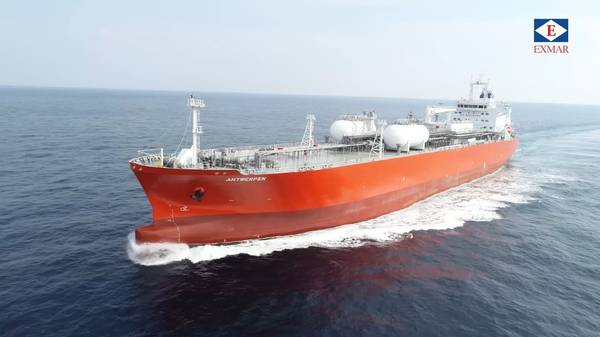
Antwerpen vessel. Exmar vessel completes first commercial voyage on ammonia dual-fuel  

Antwerpen sailed from China to India using ammonia in dual-fuel mode during commercial service.

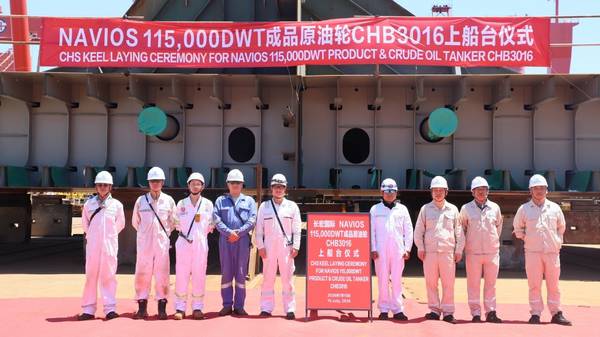
Keel-laying ceremony of vessel with builder's hull no. CHB3016. Changhong International launches ninth LR2 tanker in Navios series  

Vessel includes future methanol and LNG conversion capability as well as shore power provision.

ECSA logo. European shipowners back EU ETS revenue earmarking but warn proposal falls short on clean technology support  

ECSA welcomes fuel support and revenue earmarking but calls for broader technology eligibility and a clear IMO withdrawal clause.

World Shipping Council logo. WSC backs EU ETS fuel revenue reinvestment but warns over port competitiveness rules  

The World Shipping Council welcomes proposed ETS fuel mechanism changes but flags concerns over neighbouring port proposals.

Green methanol bunkering vessel render. Western Baltic Engineering unveils green methanol bunkering vessel concept for Klaipėda  

Concept vessel design features an 800-tonne capacity and annual supply potential of 250,000 tonnes.