
|
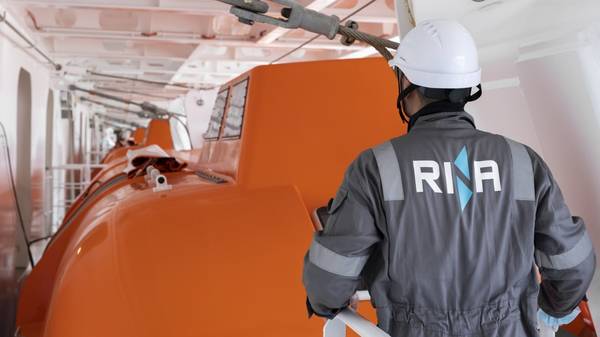
RINA unveils Mermaid propulsion concept to navigate uncertain decarbonisation landscape
Fuel-agnostic design claims savings of more than 1,000 tonnes per year in some applications. |
|
|
|
||
|
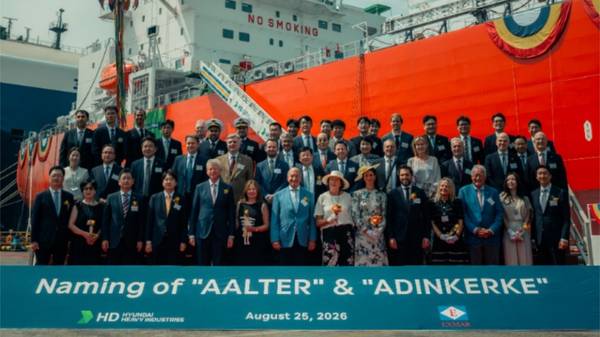
Exmar names third and fourth dual-fuel ammonia-powered vessels
Midsize gas carriers Adinkerke and Aalter named at formal ceremony. |
|
|
|
||
|
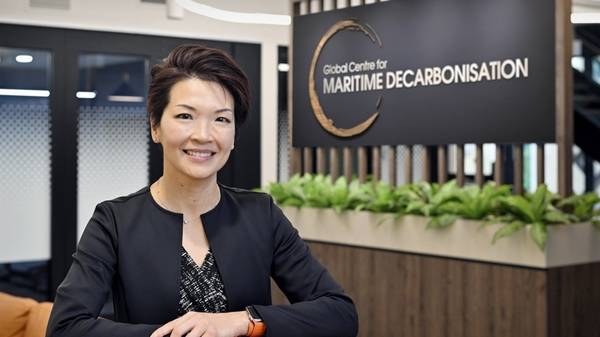
GCMD outlines practical approach to quantity assurance in marine biofuel supply chains
New report addresses verification of both total fuel volume and renewable content in biofuel transactions. |
|
|
|
||
|
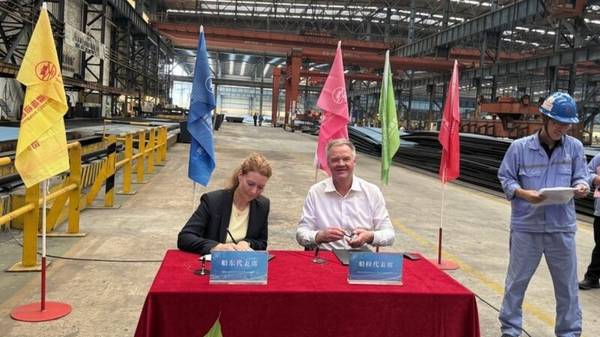
Hapag-Lloyd cuts steel for first vessel of new London Express class
16,800-TEU LNG dual-fuel vessel is first of 12 newbuildings in the class. |
|
|
|
||
|
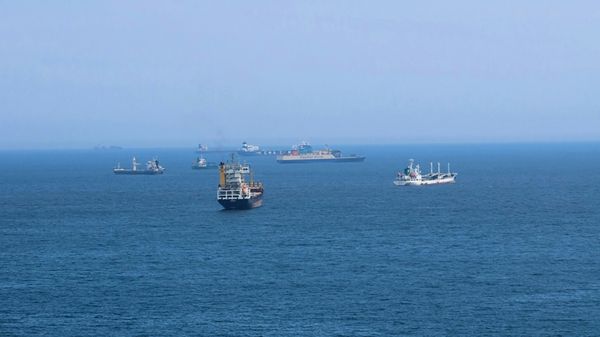
DNV report warns regulatory uncertainty complicates fleet investment decisions
CEO urges greater clarity to provide the confidence needed for long-term investment. |
|
|
|
||
|
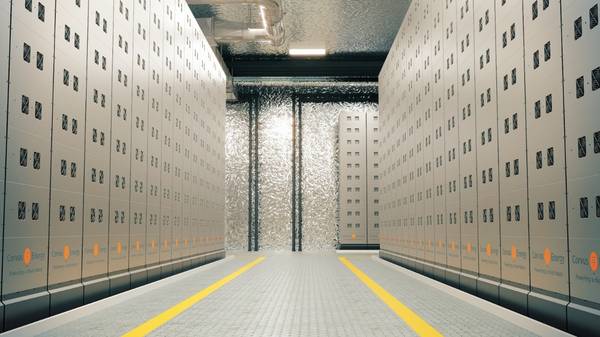
Corvus Energy launches LFP battery system developed with BYD Energy Storage
Blue Whale NxtGen Power targets tugs, ferries and workboats with high power demand. |
|
|
|
||
|
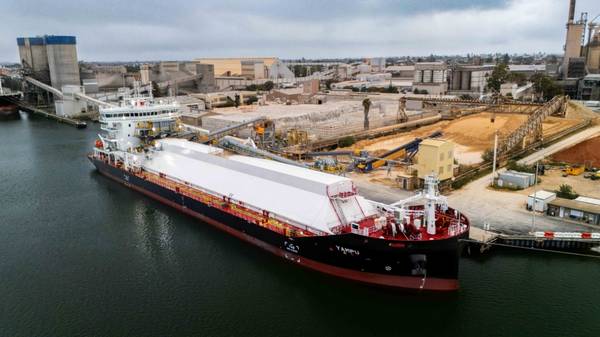
World’s first battery-powered self-unloading bulk carrier enters service in Australia
MV Yampu connects South Australia’s limestone trade with a battery-electric propulsion system. |
|
|
|
||
|
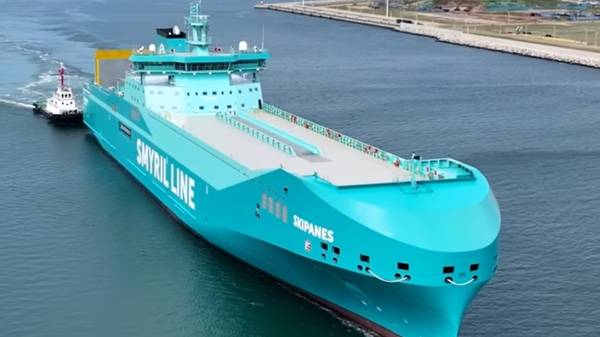
E-methanol-ready ro-ro vessel delivered to Smyril Line
190-metre vessel is built for year-round North Atlantic operations and designed for future e-methanol conversion. |
|
|
|
||

|
Sunoil Biodiesel secures approval to supply biofuels in Belgium
Dutch biofuel supplier expands its European footprint with Belgian market entry. |
|
|
|
||
|
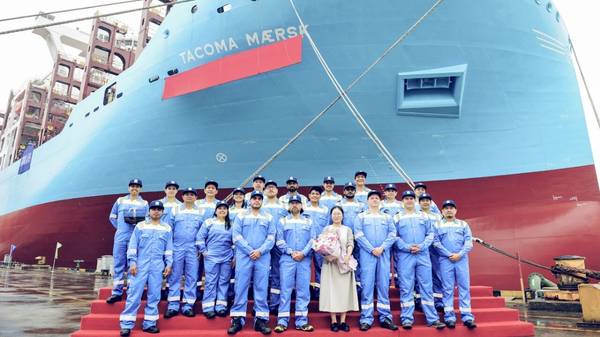
Maersk takes delivery of dual-fuel methanol-capable Tacoma Maersk in China
9,000-TEU vessel is one of six mid-sized dual-fuel ships joining Maersk's fleet. |
|
|
|
||
| Harvey Gulf awards LNG contract [News & Insights] |
| Propulsion order for first LNG-fuelled ferry in North America [News & Insights] |
| Wärtsilä sells more than 2000 gas-fuelled engines [News & Insights] |
| Wärtsilä launches efficient tanker design [News & Insights] |
| Wärtsilä and Carnival Corporation sign 8-year lifecycle agreement for LNG-fuelled cruise vessels [News & Insights] |
| Wärtsilä to supply ammonia engines and propulsion systems for two Navigator Amon gas carriers [News & Insights] |
| Wärtsilä propulsion solutions selected for nine Grimaldi Group newbuilds [News & Insights] |
| MatH2 consortium launched to tackle hydrogen materials barriers [News & Insights] |
| Construction begins on 20,000-cbm LNG bunkering vessel for GSX Energy [News & Insights] |

