
 |
The Global Centre for Maritime Decarbonisation (GCMD) has released a report setting out a practical approach to help shipowners verify that they receive both the total quantity of marine biofuel and the renewable content they have contracted for. The report, Quantity assurance in marine biofuel supply chains, published on 27 August, draws on evidence from GCMD’s end-to-end marine biofuel supply chain trials conducted under commercial operating conditions.
Biofuels are purchased not only for their energy content, but also for the renewable fraction and associated greenhouse gas (GHG) emissions reductions they represent. Blend ratios — such as B24 or B30 — are typically supplier-declared rather than independently verified. According to GCMD, closing this verification gap would strengthen confidence in marine biofuel transactions, given that the renewable fraction determines the green premium and underpins GHG accounting and regulatory compliance.
Mass flow meter considerations
On the question of total quantity transferred, the report points to mass flow meters (MFMs) as the preferred method for custody transfer, noting that they provide a transparent and auditable basis for determining the quantity of fuel transferred.
However, the report highlights a technical complication: adding fatty acid methyl ester (FAME) to conventional marine fuels — such as very low-sulphur fuel oil (VLSFO) or high-sulphur fuel oil (HSFO) — can reduce the final blend’s viscosity, potentially pushing it outside the validated operating range of the MFM installed on the bunker barge. GCMD recommends that the viscosity of the final blend be assessed under actual transfer conditions against the applicable MFM operating range, and that this can be managed through appropriate transfer temperature control or by using MFMs validated for broader ranges.
Verifying the renewable fraction
Verifying the renewable content requires different analytical approaches depending on the biofuel type. According to the report, FAME-based blends can be verified through compositional analysis, while hydrotreated vegetable oil (HVO)-based blends require radiocarbon analysis, as renewable and fossil hydrocarbons cannot be distinguished through compositional testing alone.
The report also cautions that interpreting analytical measurements is not straightforward. Neat FAME may contain up to 3.5% non-ester material, meaning the measurable FAME content of a finished blend may not exactly match its declared blend ratio. Laboratory methods also have finite measurement precision, so a difference between a measured result and a declared blend ratio does not necessarily indicate incorrect blending or under-delivery.
Completing a three-pillar framework
The report completes what GCMD describes as a three-pillar assurance framework covering quality, quantity, and GHG emissions abatement for marine biofuels. Together, according to GCMD, the three pillars address whether fuel is fit for use, whether it delivers the claimed emissions reductions, and whether it contains the contracted fuel quantity and renewable content.
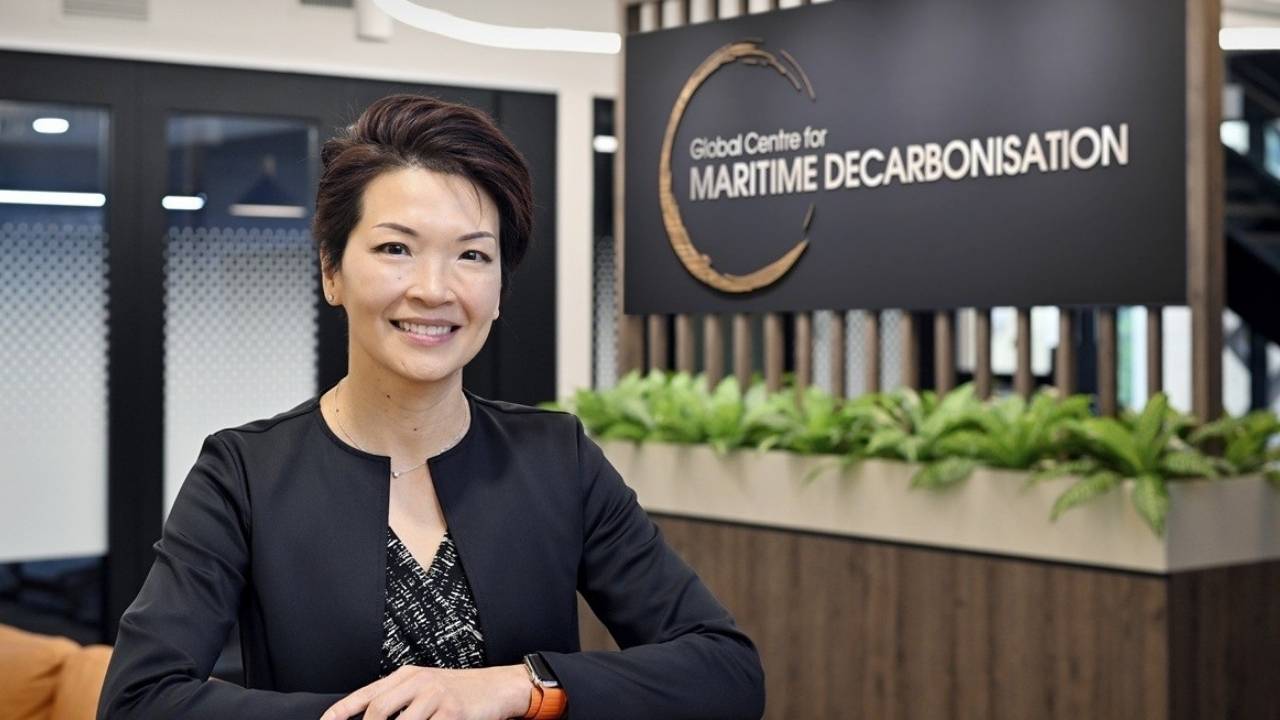
Professor Lynn Loo, CEO of GCMD, said: “Buyers need confidence that they have received both the fuel and the renewable content they paid for. This report provides a practical, evidence-backed basis for verifying renewable fuel claims, protecting commercial value and supporting credible GHG accounting as marine biofuel use scales.”
|
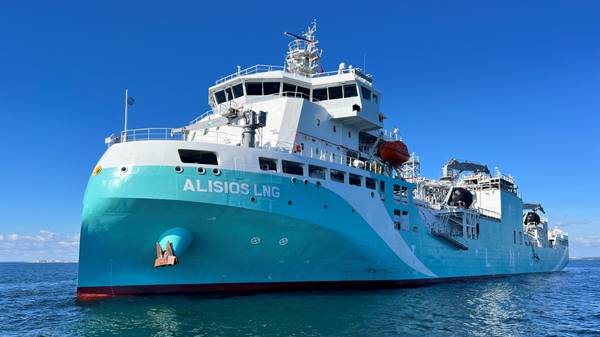
Axpo completes first LNG bunkering in Valencia, with over half bio-LNG
Ship-to-ship transfer to a container vessel makes Valencia the company's fourth Spanish port for LNG bunkering. |
|
|
|
||
|
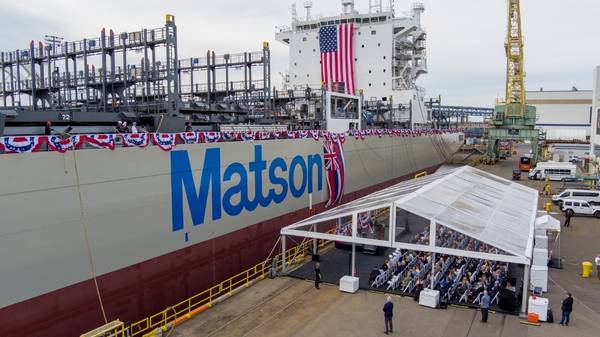
Matson christens Makua, first of three LNG-ready Aloha Class container ships
Dual-fuel vessel, due for delivery in early 2027, is the first of three ships worth around $1bn. |
|
|
|
||

|
CMB.Tech seeks Singapore-based ammonia operations manager for Asia Pacific
New hire will oversee ammonia chartering and bunkering and liaise with Far East partners. |
|
|
|
||
|
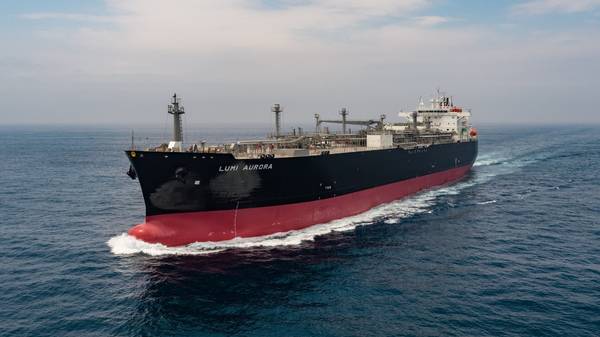
IINO Lines deploys first Ice Class IB VLGC on long-term charter to Borouge International
LPG-fuelled Lumi Aurora will carry North American gas to Borouge International's Porvoo plant in Finland. |
|
|
|
||
|
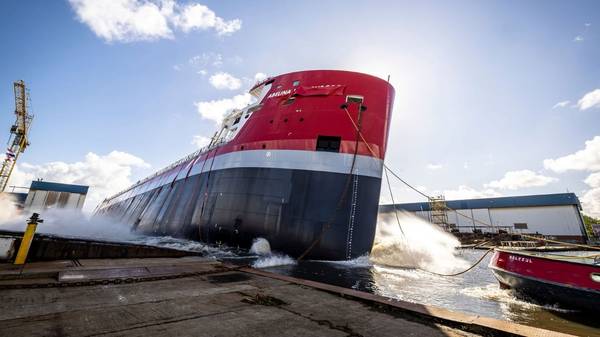
Wagenborg launches first EasyMax 2.0 vessel, prepared for methanol, ammonia and LNG
Abelina Wagenborg, built at Niestern Sander, is the first of a new generation designed for multiple alternative fuels. |
|
|
|
||
|
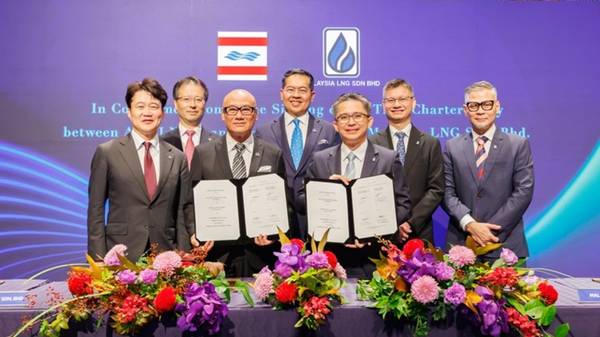
NYK–MISC joint venture signs charter for 18,700-cbm LNG carrier with Malaysia LNG
Asia LNG Transport will operate the dual-fuel diesel-electric newbuild, due from Hudong-Zhonghua in 2028, on routes to Japan. |
|
|
|
||

|
Study finds methanol dual-fuel retrofit of Kamsarmax bulk carrier would take about 75 days
Report by Mærsk Mc-Kinney Møller Center, involving Tsuneishi, puts conversion costs at 25–30% of the cost of a conventionally fuelled newbuilding. |
|
|
|
||
|
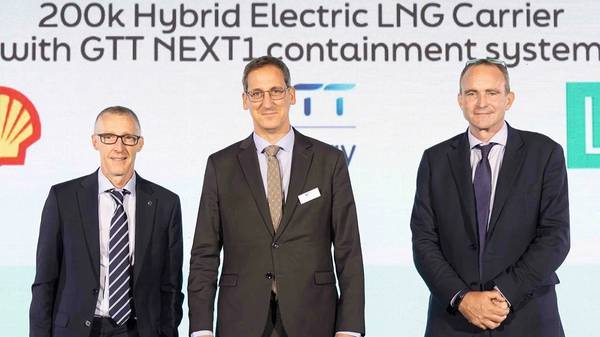
Lloyd's Register, Shell and GTT launch joint project on hybrid-electric 200,000-cbm LNG carrier
Partners to develop a concept combining hybrid-electric propulsion with GTT NEXT1 cargo containment technology for larger LNG carriers. |
|
|
|
||
|
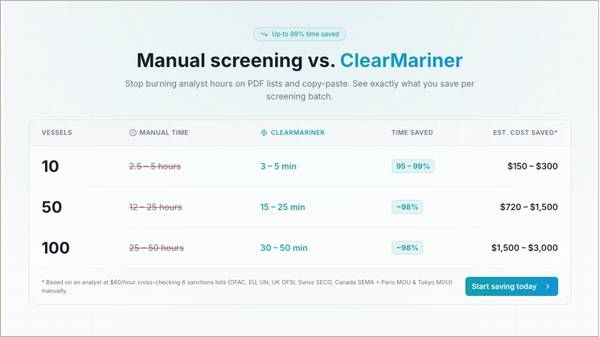
ClearMariner expands maritime sanctions screening with ESG, emissions and API support
Online service now combines sanctions checks with voyage CO₂, CII, EU ETS and FuelEU Maritime estimates. |
|
|
|
||

|
Flex Commodities adds Long Jing Xin to Singapore marine fuels team
Company appoints associate for marine fuels as part of plan for regional expansion. |
|
|
|
||
| Study finds methanol dual-fuel retrofit of Kamsarmax bulk carrier would take about 75 days [News & Insights] |
| Nuclear-powered LNG carriers cost more upfront but cut lifetime fuel bills, ABS-backed study finds [News & Insights] |
| Electric and hybrid ferries could cut Sea of Marmara emissions by 63%, IMO study finds [News & Insights] |
| Batumi Sea Port officials study decarbonisation practices in Hamburg [News & Insights] |
| Lloyd’s Register study backs 200,000-cbm LNG carriers for fleet renewal [News & Insights] |
