
| Month | Average($/mt) | Low | High |
| Dec 11 | 661 | 625.00 | 684.00 |
| Nov 11 | 682 | 655.00 | 713.00 |
| Oct 11 | 660 | 625.00 | 690.00 |
| Sep 11 | 644 | 620.00 | 669.00 |
| Aug 11 | 645 | 623.00 | 684.00 |
| July 11 | 659 | 632.00 | 681.00 |
| June 11 | 647 | 620.00 | 677.00 |
| May 11 | 633 | 608.00 | 670.00 |
| Apr 11 | 669 | 650.00 | 685.00 |
| Mar 11 | 633 | 622.00 | 645.00 |
| Feb 11 | 606 | 562.00 | 668.00 |
| Jan 11 | 534 | 507.00 | 560.00 |
| Dec 10 | 498 | 492.00 | 506.00 |
| Nov 10 | 482 | 462.00 | 508.00 |
| Oct 10 | 462 | 451.00 | 473.00 |
| Sep 10 | 436 | 429.00 | 448.00 |
| Aug 10 | 441 | 422.00 | 465.00 |
| Jul 10 | 434 | 412.00 | 450.00 |
| Jun 10 | 435 | 418.00 | 450.00 |
| May 10 | 452 | 406.00 | 498.00 |
| Apr 10 | 480 | 458.00 | 497.00 |
| Mar 10 | 459 | 447.00 | 473.00 |
| Feb 10 | 456 | 434.00 | 473.00 |
| Jan 10 | 481 | 455.00 | 508.00 |
| Dec 09 | 463 | 438.00 | 490.00 |
| Nov 09 | 464 | 447.00 | 477.00 |
| Oct 09 | 440 | 412.00 | 465.00 |
| Sep 09 | 426 | 408.00 | 442.00 |
| Aug 09 | 437 | 418.00 | 452.00 |
| Jul 09 | 407 | 381.00 | 437.00 |
| Jun 09 | 398 | 385.50 | 422.00 |
| May 09 | 343 | 294.00 | 382.00 |
| Apr 09 | 289 | 256.00 | 308.00 |
| Mar 09 | 244 | 225.00 | 272.00 |
| Feb 09 | 257 | 235.00 | 278.00 |
| Jan 09 | 258 | 235.00 | 288.00 |
| Dec 08 | 232 | 214.00 | 260.00 |
| Nov 08 | 235 | 205.00 | 295.00 |
| Oct 08 | 406 | 268.00 | 575.00 |
| Sep 08 | 610 | 530.00 | 714.00 |
| Aug 08 | 671 | 617.00 | 728.00 |
| Jul 08 | 718 | 665.00 | 763.00 |
| Jun 08 | 629 | 573.00 | 681.00 |
| May 08 | 580 | 524.00 | 635.00 |
| Apr 08 | 523 | 491.00 | 545.00 |
|
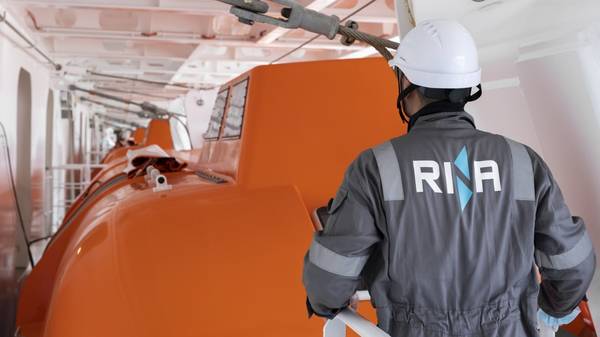
RINA unveils Mermaid propulsion concept to navigate uncertain decarbonisation landscape
Fuel-agnostic design claims savings of more than 1,000 tonnes per year in some applications. |
|
|
|
||

|
Exmar names third and fourth dual-fuel ammonia-powered vessels
Midsize gas carriers Adinkerke and Aalter named at formal ceremony. |
|
|
|
||

|
GCMD outlines practical approach to quantity assurance in marine biofuel supply chains
New report addresses verification of both total fuel volume and renewable content in biofuel transactions. |
|
|
|
||
|
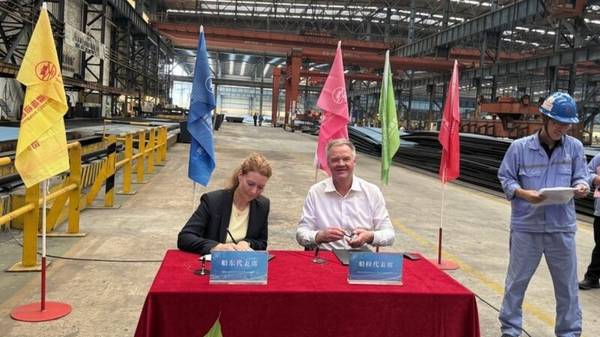
Hapag-Lloyd cuts steel for first vessel of new London Express class
16,800-TEU LNG dual-fuel vessel is first of 12 newbuildings in the class. |
|
|
|
||
|
DNV report warns regulatory uncertainty complicates fleet investment decisions
CEO urges greater clarity to provide the confidence needed for long-term investment. |
|
|
|
||

|
Corvus Energy launches LFP battery system developed with BYD Energy Storage
Blue Whale NxtGen Power targets tugs, ferries and workboats with high power demand. |
|
|
|
||
|
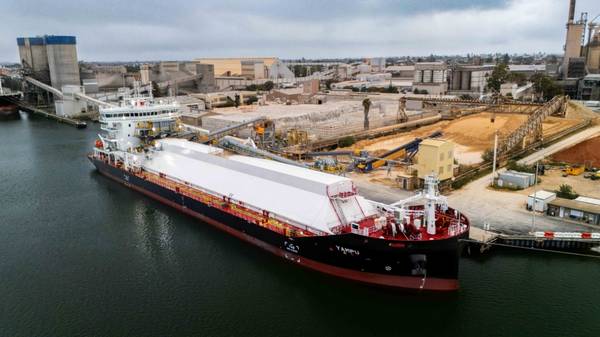
World’s first battery-powered self-unloading bulk carrier enters service in Australia
MV Yampu connects South Australia’s limestone trade with a battery-electric propulsion system. |
|
|
|
||
|
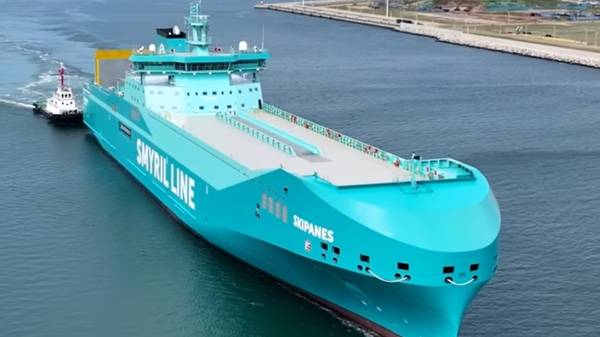
E-methanol-ready ro-ro vessel delivered to Smyril Line
190-metre vessel is built for year-round North Atlantic operations and designed for future e-methanol conversion. |
|
|
|
||

|
Sunoil Biodiesel secures approval to supply biofuels in Belgium
Dutch biofuel supplier expands its European footprint with Belgian market entry. |
|
|
|
||
|
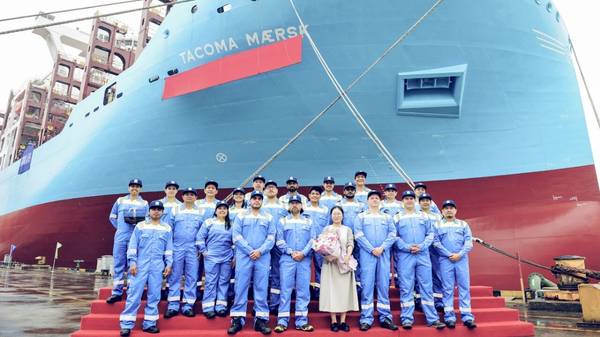
Maersk takes delivery of dual-fuel methanol-capable Tacoma Maersk in China
9,000-TEU vessel is one of six mid-sized dual-fuel ships joining Maersk's fleet. |
|
|
|
||

