|
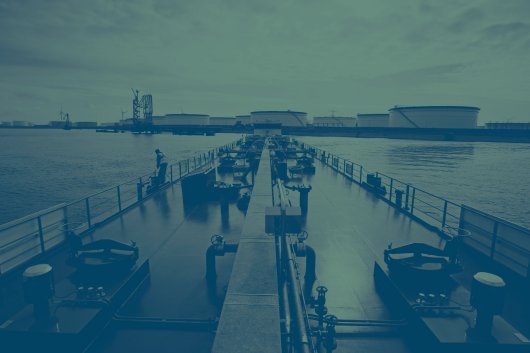
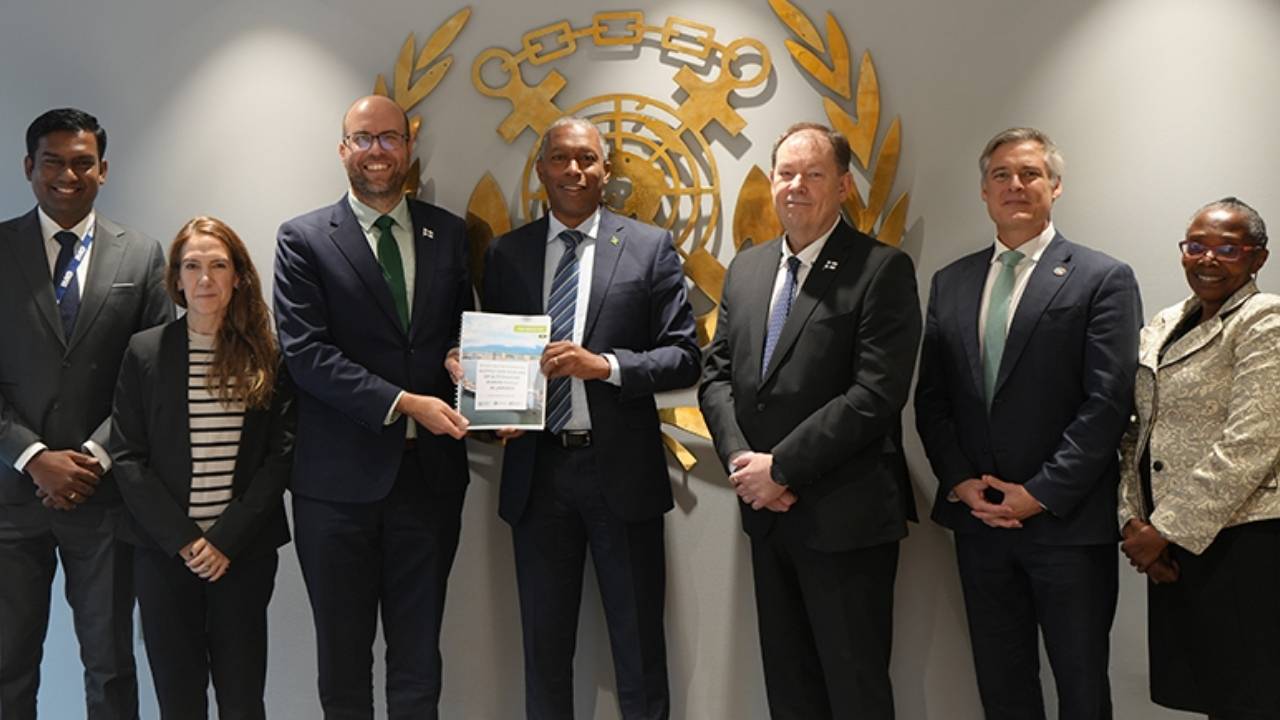
Study maps route for Jamaica to become regional hub for alternative marine fuels
Research identifies Jamaica's location, port traffic and existing LNG infrastructure as foundations for a regional alternative marine fuels hub. |
|
|
|
||
|
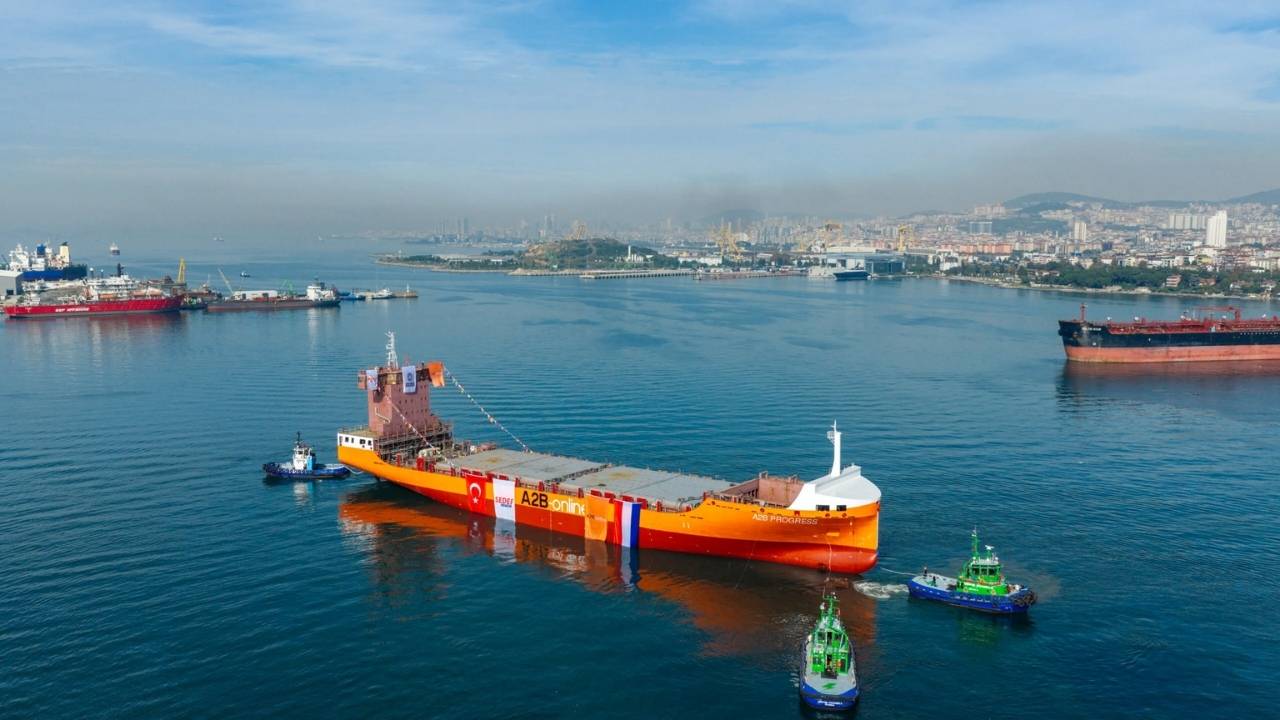
A2B-online orders two more methanol-fuelled vessels for shortsea network
Dutch shortsea operator expands newbuild series to four ships, adding methanol propulsion and battery capacity for emission-free port calls. |
|
|
|
||
|
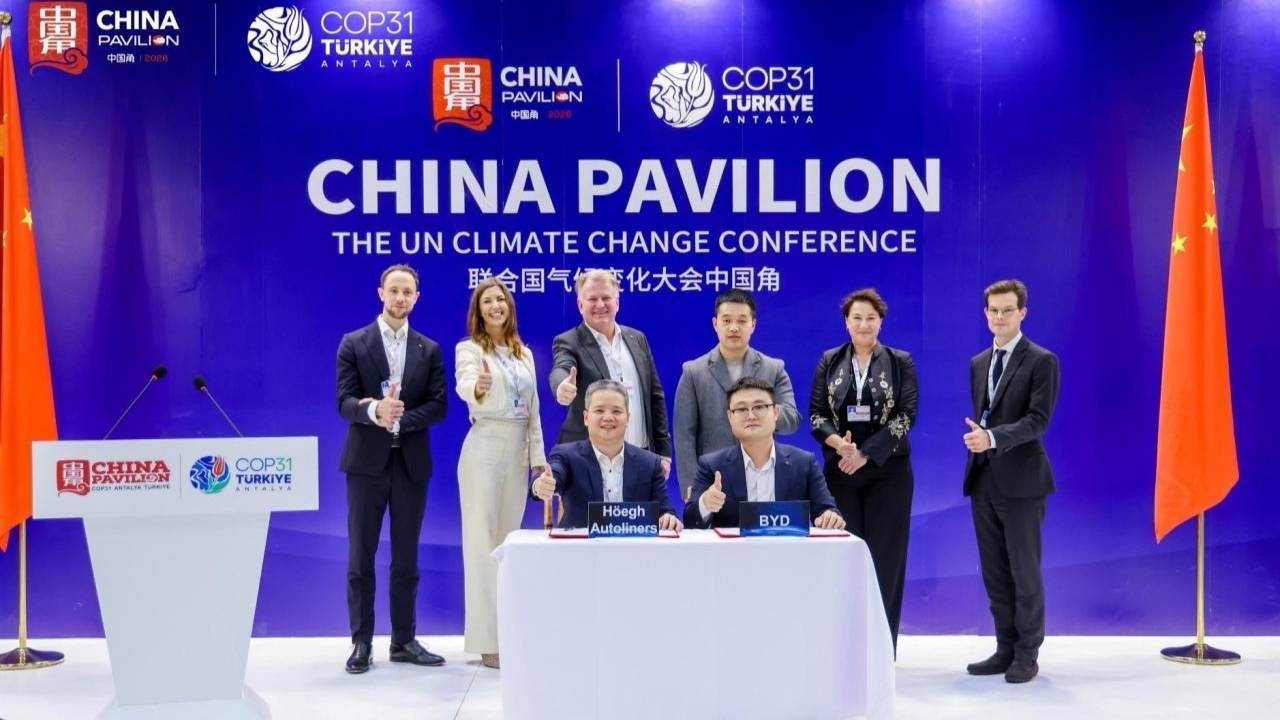
Höegh Autoliners signs battery deal with BYD for ammonia-ready car carrier
Ro-ro shipper teams up with BYD Energy Storage to combine batteries, solar power and ammonia-ready propulsion on a single car carrier. |
|
|
|
||
|
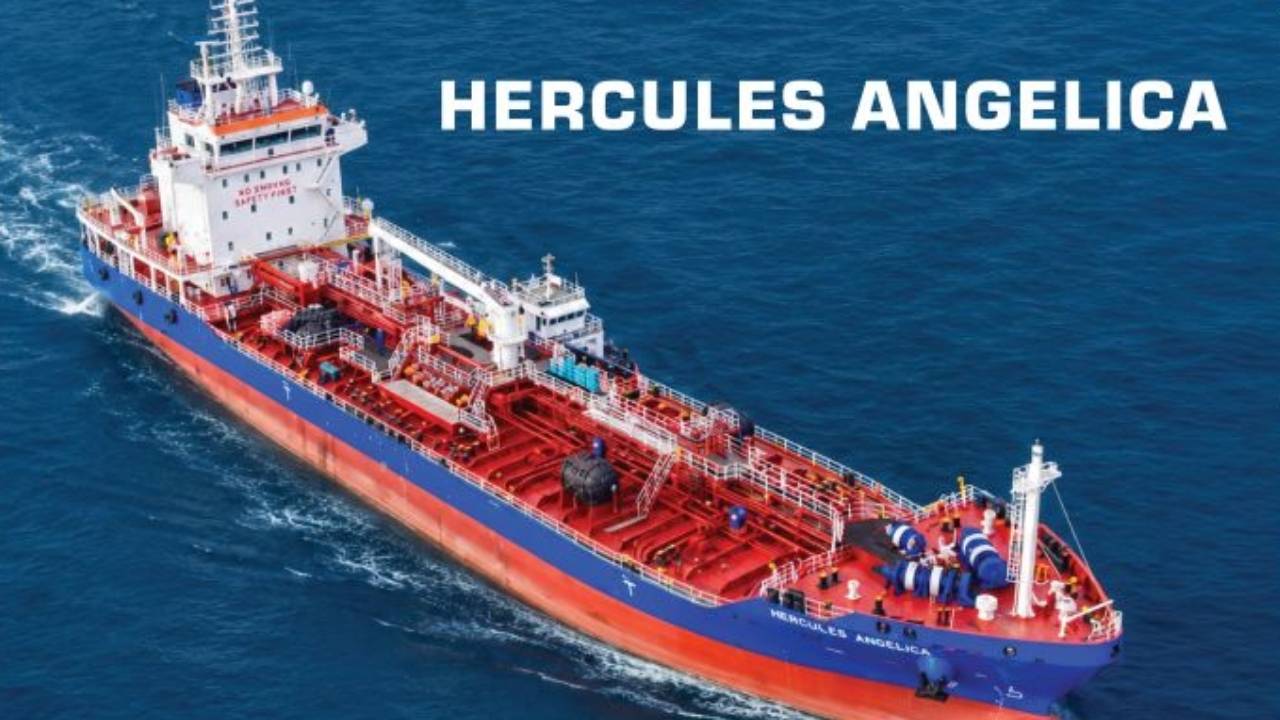
Hercules Tanker Management adds new Ultra-Spec tanker to fleet with FAME cargo run
Hercules Angelica begins maiden voyage carrying FAME from Malaysia to the UK/ARA region. |
|
|
|
||

|
Samsung Heavy Industries and Japan's Morimura to jointly develop solid oxide fuel cells for ships
Companies target 2028 commercialisation of SOFC technology for merchant vessels and floating data centres. |
|
|
|
||
|
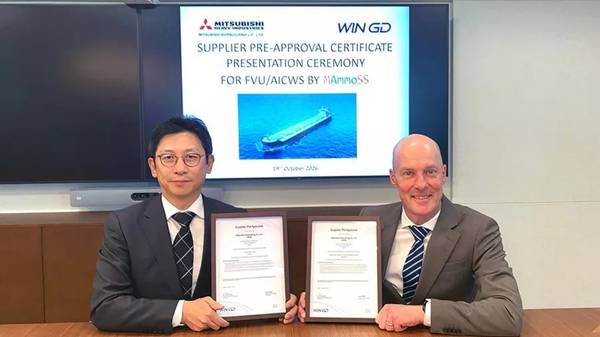
Mitsubishi Shipbuilding gains WinGD approval for ammonia fuel handling system
Japanese shipbuilder becomes first in the country to receive supplier pre-approval for key components of WinGD's ammonia-fuelled engine. |
|
|
|
||
|
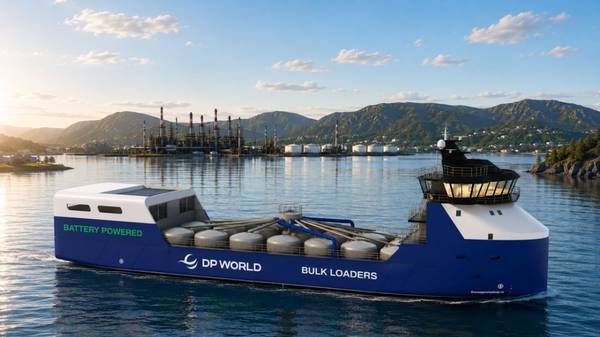
Battery-powered bulk carrier wins NOK 89.2m Enova grant
Bulk Loaders and DP World secure Norwegian state funding for a zero-emission cargo vessel designed by NSD. |
|
|
|
||

|
Maersk Oil Trading seeks New York-based fuel trader for Americas bunker business
Firm looking for candidates with 'several years' of relevant experience in fuel trading, bunker trading, fuel marketing, cargo trading, or similar. |
|
|
|
||
|
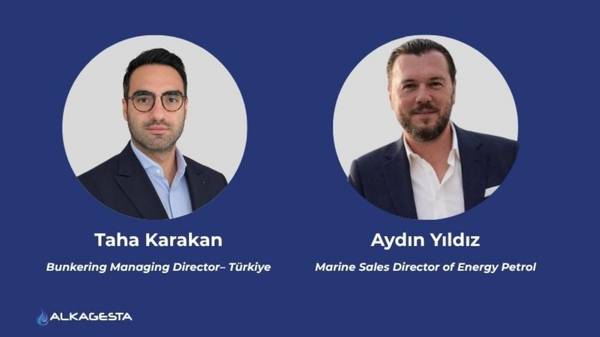
Alkagesta completes Energy Petrol takeover, appoints new marine sales leadership in Türkiye
Acquisition includes eight marine fuel supply vessels and a long-term lease of tank capacity in Gebze. |
|
|
|
||

|
TFG Marine extends Caribbean bunkering reach into Venezuela
Majority Trafigura-owned bunker supplier partners with Impordiesel to offer marine fuel across Venezuelan ports and coastal waters. |
|
|
|
||
| Klaipeda terminal secures fuel oil shipment contract [News & Insights] |