
|
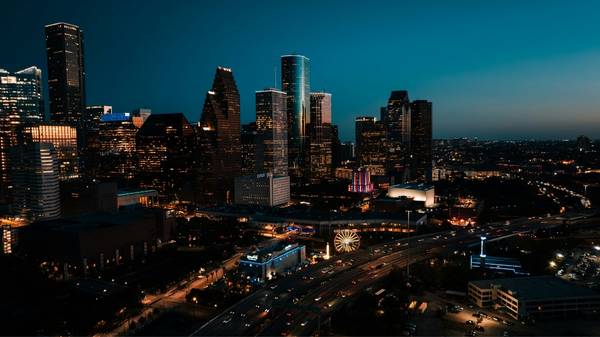
JuWonOil looking to strengthen with two Houston hires
Texas-based firm is recruiting a marine lubricants sales executive and a marine fuels and distillates trader. |
|
|
|
||
|
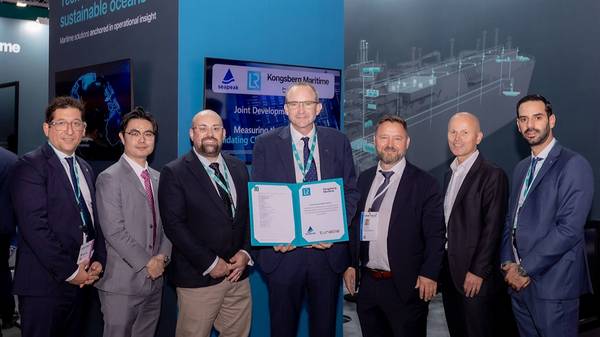
Four firms partner to trial continuous emissions monitoring on LNG carrier
LR, Seapeak, Kongsberg Maritime and Tunable will test onboard CO₂ monitoring against engine data and default emissions factors. |
|
|
|
||
|
Bunker Holding reshuffles commercial leadership across brand portfolio
Appointments announced across KPI OceanConnect, Glander International Bunkering and its digital sales operations. |
|
|
|
||
|
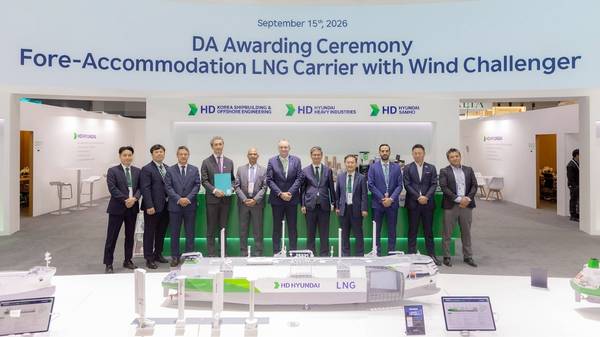
Lloyd's Register grants design appraisal for wind-powered LNG carrier concept
Vessel design featuring four Wind Challenger sails moves closer to commercial deployment. |
|
|
|
||

|
SGMF publishes first ISO-compliant life cycle assessment of methanol as a marine fuel
Study evaluating 15 production pathways completes organisation’s suite of LCAs covering LNG, ammonia and methanol. |
|
|
|
||
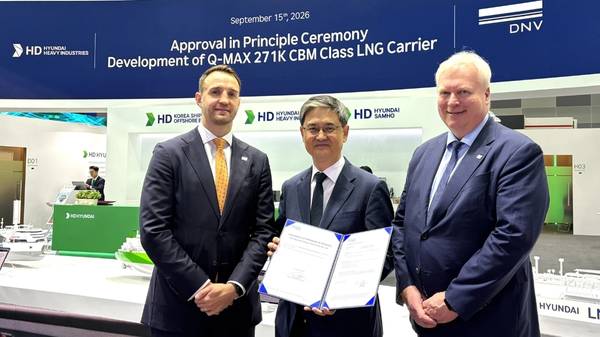
|
DNV grants approval in principle for HD HHI’s 271,000-cbm LNG carrier design
Classification society backs Hyundai’s largest LNG carrier design yet, featuring five membrane tanks and dual-fuel propulsion. |
|
|
|
||

|
GTT Energy launches new LNG fuel tank design for container ships
'Next-generation' LNG fuel containment system features 2 barg technology. |
|
|
|
||
|
Flex Commodities seeks operator for bunker trading operations
Candidates should have three to five years of relevant bunker or commodity trading operations experience |
|
|
|
||
|
Glander International Bunkering seeks bunker trader for Valencia office
Role open to sales professionals regardless of prior oil industry experience. |
|
|
|
||
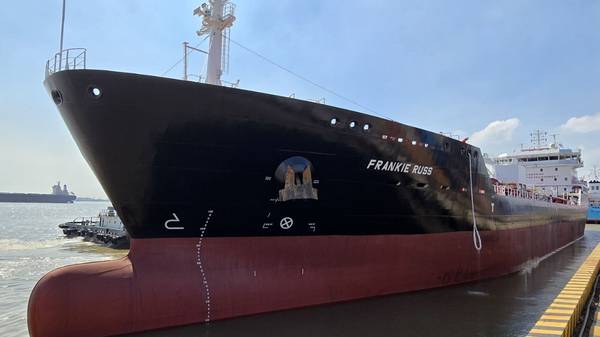
|
TB Marine takes over technical management of methanol-ready tanker
Newbuild MT Frankie Russ is first tanker in Ernst Russ's fleet. |
|
|
|
||
| Fincantieri launches Viking Astrea with liquid-hydrogen propulsion at Ancona shipyard [News & Insights] |
| Flexibility, not fuel choice, is key to energy transition, says Auramarine [News & Insights] |
| NYK Cruises’ Asuka III cuts annual CO₂ emissions by 1,300 tonnes through LNG fuel use [News & Insights] |
| Avenir LNG vessel completes first LNG bunker delivery to Icon of the Seas in Honduras [News & Insights] |
| Carnival's CSMART seeks specialist instructor for LNG-as-fuel training in Netherlands [News & Insights] |

