
|
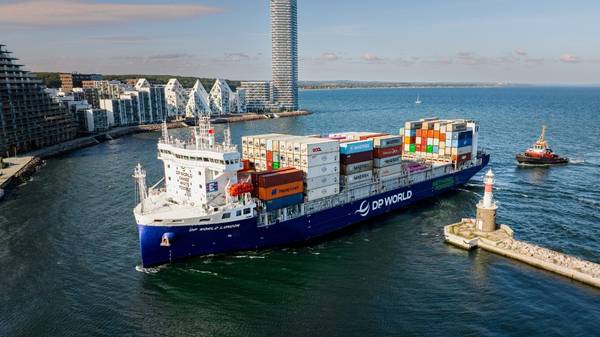
DP World names first methanol dual-fuel vessel at ceremony in Aarhus
Marine services business, Shipping Solutions, names 1,250-TEU boxship with five-cylinder main engine. |
|
|
|
||
|
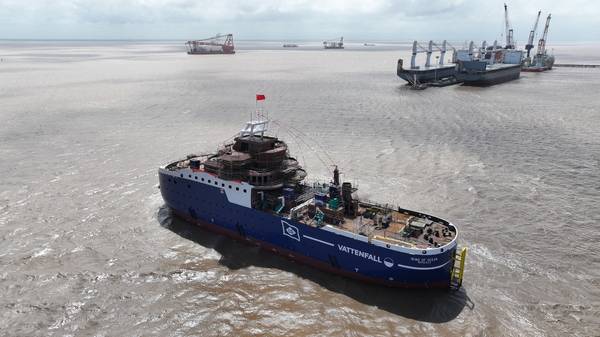
LD Armateurs launches first of two SOVs for Vattenfall at Chinese shipyard
Wind of Ocean features hybrid-electric propulsion and a double-ended hull design. |
|
|
|
||

|
Singapore and Brazil sign MoU to establish green and digital shipping corridor
Two countries will collaborate on maritime decarbonisation, digitalisation and alternative marine fuel supply chains. |
|
|
|
||
|
WinGD modelling shows retrofit pathways to net zero can pay off, but policy support remains key
Fuel economics and regulation — not engine technology — are the main barriers to cost-effective decarbonisation retrofits, says report. |
|
|
|
||

|
Arte Bunkering seeks Mandarin-speaking senior bunker trader to establish presence in China
European trading firm is expanding into China with its first on-the-ground hire. |
|
|
|
||

|
Monjasa recruiting trader for New York team
Experience in marine fuel or shipping an advantage but not a requirement. |
|
|
|
||
|
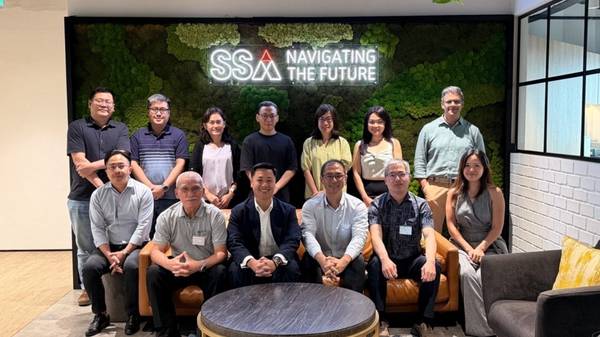
SSA launches training course to prepare maritime companies for Singapore’s mandatory digital bunkering
Course designed to help companies evaluate the impact of digitalisation on their existing workflows and business processes. |
|
|
|
||

|
Monjasa opens two trader roles at Cyprus base, one for Italian speaker
Experience in shipping or sales described as a requirement. |
|
|
|
||
|
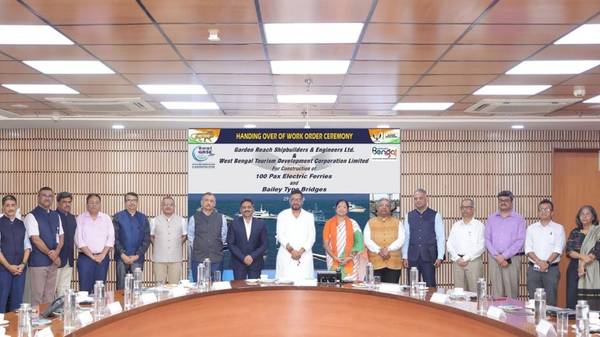
GRSE wins West Bengal orders for two hybrid diesel-electric ferries
Indian state-owned shipbuilder expands green inland waterway portfolio with latest contracts. |
|
|
|
||
|
New Sea Generation seeks experienced bunker traders in Greece
Bunker trading firm is offering equity and a path to partnership. |
|
|
|
||
| KPI Bridge Oil Valparaiso appoints trader [News & Insights] |
| New broker and trader at KPI Bridge Oil New York [News & Insights] |
| KPI Bridge Oil appoints Chief Accountant in Singapore [News & Insights] |
| KPI Bridge Oil continues UK expansion [News & Insights] |
| Bunker Holding appoints Global Risk Management's Jacob Nørgaard as CFO [News & Insights] |
| IBT Bunkering & Trading appoints Kevin Döhmen to manage new Singapore office [News & Insights] |
| Uni-Fuels appoints general manager for new Houston operation [News & Insights] |
| Flex Commodities appoints Vinoth Kumar as general accountant [News & Insights] |
| Oilmar appoints junior marine fuels trader at Dubai trading desk [News & Insights] |

