
 |
Shipping companies are facing increasing complexity as decarbonisation policies begin to translate emissions targets into direct financial impacts, according to a survey commissioned by Wärtsilä Corporation.
The study, based on responses from 225 senior maritime executives, found that nearly 70% of participants said uncertainty is limiting their ability to prioritise investments. A further 42% identified balancing decarbonisation spending with acceptable returns as a key challenge.
Despite this, more than 90% of respondents expressed confidence in their ability to navigate the energy transition and adapt to evolving market conditions.
The findings, published in Wärtsilä’s report 'At the helm in shipping — how to navigate regulation, risk and ROI,' highlight growing uncertainty around fuel pathways, regulatory developments, talent retention and technology choices. These factors are complicating long-term decision-making for shipowners and operators.
The report indicates that regulatory measures such as the EU emissions trading system and FuelEU Maritime are increasingly linking emissions performance to financial outcomes. As a result, decisions around fuel selection, investment timing and asset utilisation are being made under greater pressure from compliance requirements, fuel price volatility and shifting technology options.
Wärtsilä noted that postponing decisions is not considered a viable approach. Instead, the report suggests building flexibility into investment strategies to allow operators to adapt as the regulatory and fuel landscape evolves.
It also highlights the role of closer collaboration between shipowners and equipment manufacturers, which can provide access to operational data, technical expertise and lifecycle insights to support more informed decision-making.
Roger Holm, President of Wärtsilä Marine and Executive Vice President at Wärtsilä Corporation, said: “Maritime leaders remain confident in their ability to adapt to the energy transition, but the decisions they face are becoming more complex. With tighter regulation and evolving fuel choices reshaping investment decisions, shipowners and operators cannot wait.”
He added: “They need to take proactive steps now - prioritising data, collaboration and future-proof solutions to protect competitiveness over the long term. Ultimately, the most resilient operators are those preparing for multiple pathways - creating flexibility today so they can respond quickly as the regulatory and fuel landscape develops.”
The report concludes that as environmental frameworks continue to evolve, improving vessel efficiency and operational performance will remain critical to managing compliance risks and maintaining returns on investment.

|
Petrobras resumes bunkering operations at Rio Grande Terminal after power restoration
Brazilian supplier restarts marine fuel supply after completing an inspection following an electricity outage. |
|
|
|
||
|
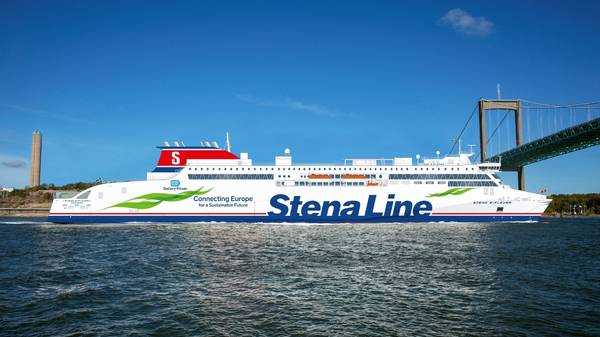
Stena RoRo orders battery-ready E-Flexer 2.0 ferries from Chinese yard
Vessels include diesel engines capable of running on biodiesel and are methanol-ready. |
|
|
|
||
|
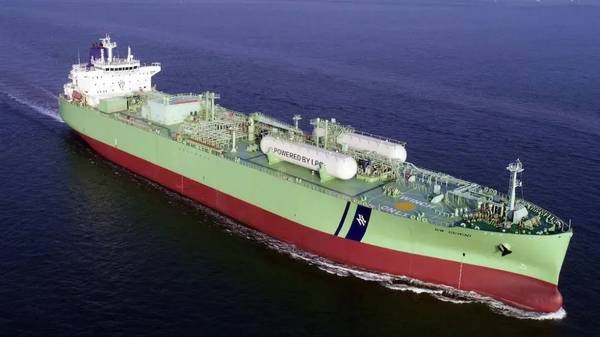
Nord Gas Solutions to supply cargo and fuel systems for eight BW LPG VLGCs
Gas-handling systems specialist awarded contract for new 90,000-cbm vessels. |
|
|
|
||
|
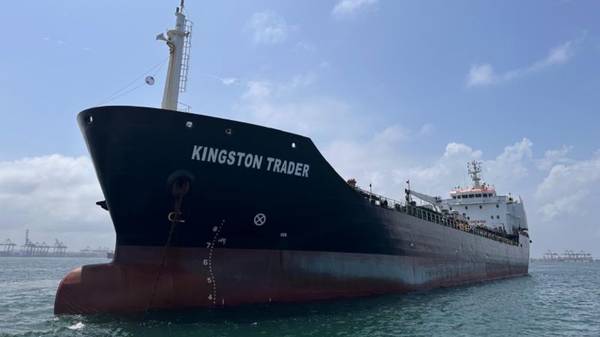
TFG Marine fits mass flow meter to Jamaica-bound bunker barge
Kingston Trader becomes the first Caribbean bunkering vessel with mass flow metering as TFG Marine’s fleet coverage nears 90%. |
|
|
|
||
|
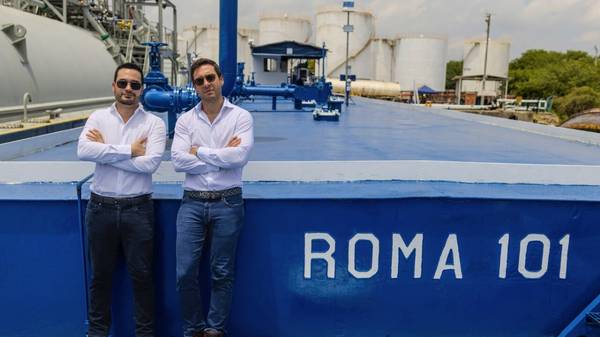
Monjasa announces full-chain marine fuel operations in Cartagena
Monjasa says it now covers the entire marine fuel supply chain in Colombia, from oil wells to ship-side deliveries. |
|
|
|
||

|
Ceremonies held for Van Oord’s methanol-hybrid rock installation vessels
Two ships advance through parallel construction at China’s CIMC Raffles shipyard. |
|
|
|
||
|
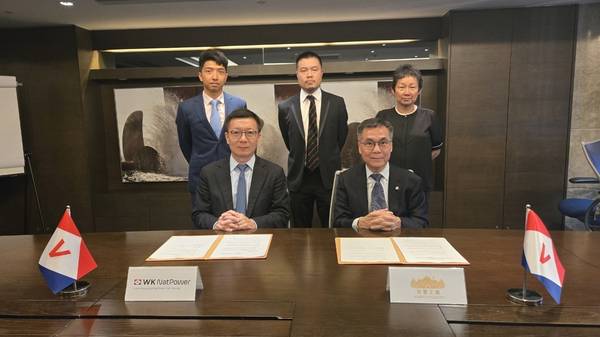
Wah Kwong NatPower signs MoU to explore Hong Kong marine electrification
Venture will examine shore power, vessel charging and electric vessel deployment around Aberdeen’s waterfront. |
|
|
|
||
|
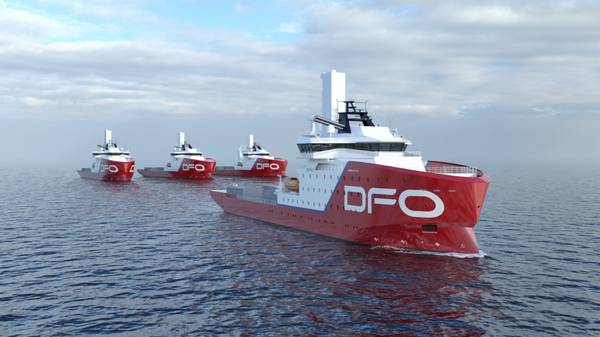
Dong Fang Offshore orders CSOV with battery-hybrid propulsion
Vard secures fifth newbuild contract from Taiwanese firm, with delivery scheduled for 2028. |
|
|
|
||
|
Spain sets out regulatory roadmap for biomethane and bio-LNG growth
Molgas outlines Spain’s biogas targets, certification rules and adoption barriers across transport, maritime and grid injection. |
|
|
|
||
|
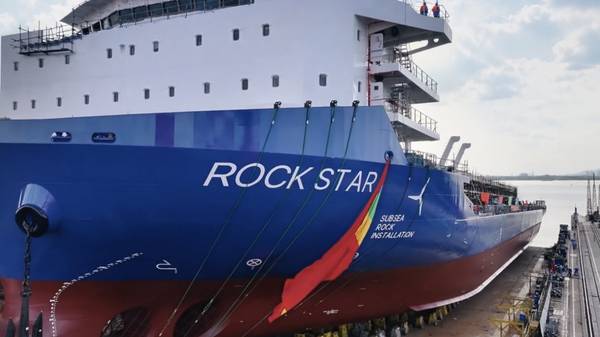
CSL and OWL launch first subsea rock installation vessel for offshore wind
MV Rock Star can run on MGO and methanol and is designed to support scour protection and cable burial for offshore wind projects. |
|
|
|
||
| Spain sets out regulatory roadmap for biomethane and bio-LNG growth [News & Insights] |
| Four firms partner to trial continuous emissions monitoring on LNG carrier [News & Insights] |
| Wind propulsion offers 'no fundamental barriers' for LNG carriers, study finds [News & Insights] |
| Shipowners risk financial exposure by delaying EU allowance transfers, EmissionLink warns [News & Insights] |
| SEA-LNG urges EU to protect mass-balance pathway for liquefied biomethane [News & Insights] |
