
 |
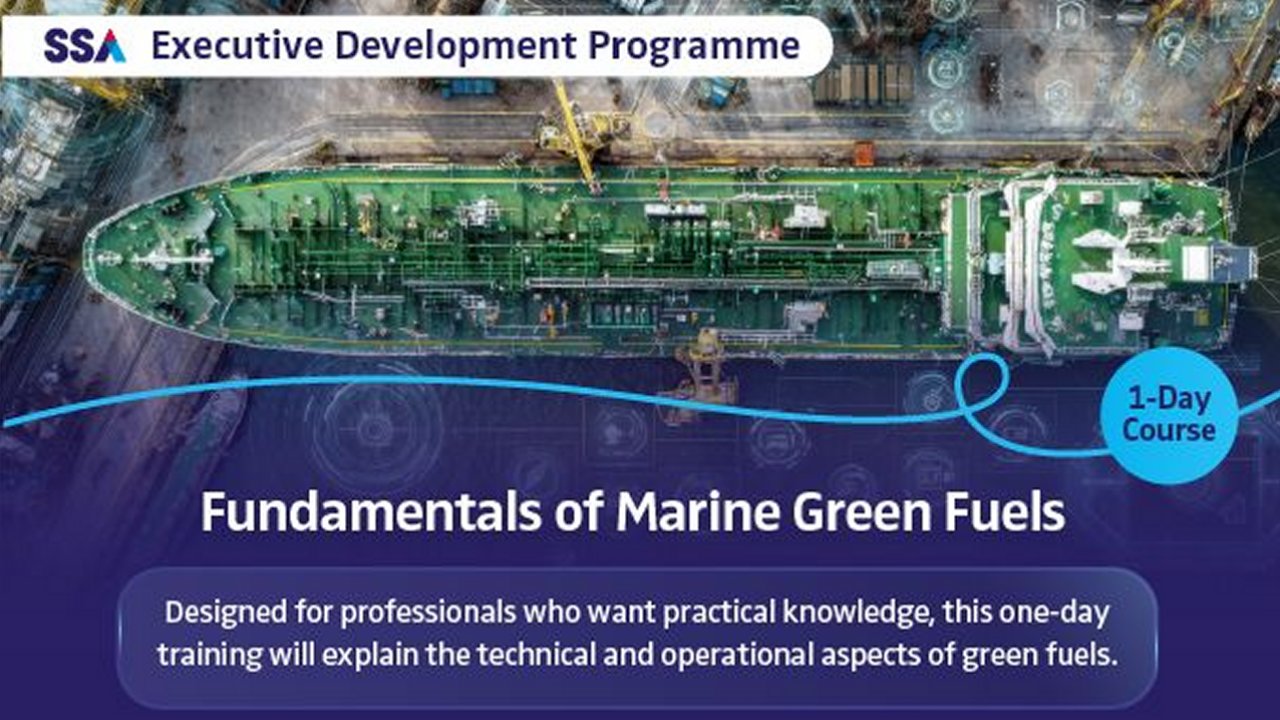
The Singapore Shipping Association (SSA) has introduced a new training course on marine green fuels as part of its executive development programme, with the first session scheduled for 13 April.
The one-day course, titled 'Fundamentals of Marine Green Fuels,' is designed to examine the supply chains behind low-carbon fuels as the shipping industry works towards emissions reduction targets.
According to the association, the programme will explore how low-carbon marine fuel supply chains are structured, alongside different approaches to emissions accounting, including well-to-wake (WtW) and tank-to-wake (TtW) methodologies and their relevance for regulatory compliance.
Moreover, the course will examine the technical and logistical considerations associated with fuels such as biofuels, methanol, ammonia and hydrogen, including infrastructure requirements, safety considerations and scalability challenges.
Participants will also review regional case studies from ASEAN and China, together with discussions on investment patterns and emerging locations for fuel production and supply.
The training session will run from 8:30 am to 5:30 pm at the SSA boardroom in Singapore.
Dr Sanjay C. Kuttan and Aohan Qin will deliver the course.
The programme forms part of the SSA Executive Development Programme, which provides professional training for the maritime sector in Singapore. Interested participants have been directed to Circular SSA/031/26/EML or to contact trainingsupport@ssa.org.sg for registration details.
|
Flex Commodities seeks operator for bunker trading operations
Candidates should have three to five years of relevant bunker or commodity trading operations experience |
|
|
|
||
|
Glander International Bunkering seeks bunker trader for Valencia office
Role open to sales professionals regardless of prior oil industry experience. |
|
|
|
||
|
TB Marine takes over technical management of methanol-ready tanker
Newbuild MT Frankie Russ is first tanker in Ernst Russ's fleet. |
|
|
|
||
|
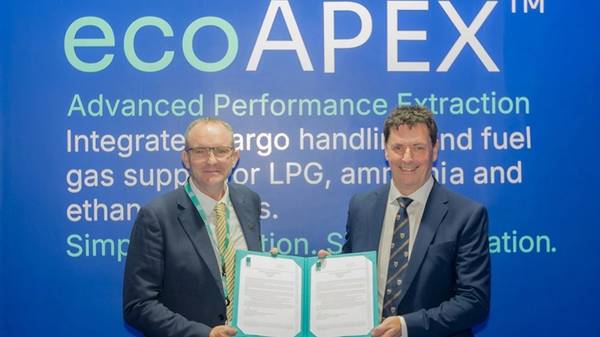
Lloyd’s Register grants approval in principle to Babcock LGE’s ecoAPEX cargo-handling technology
New integrated system for gas carriers targets lower emissions and reduced reliquefaction energy consumption, with LR approval confirming its potential. |
|
|
|
||
|
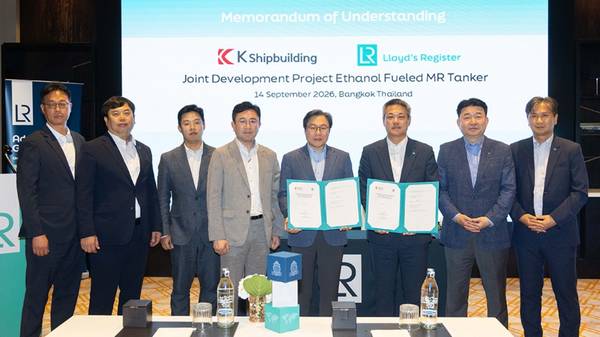
K Shipbuilding and Lloyd’s Register to jointly develop ethanol-fuelled tanker design
The pair will assess an ethanol-fuelled 50,000 dwt MR tanker, targeting Approval in Principle from LR. |
|
|
|
||
|
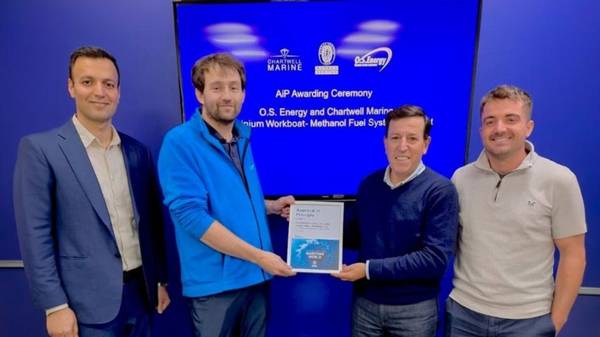
Bureau Veritas grants approval in principle for methanol-fuelled catamaran concept
Classification society backs O.S. Energy and Chartwell Marine’s fuel-system design for an aluminium vessel developed under a UK decarbonisation programme. |
|
|
|
||
|
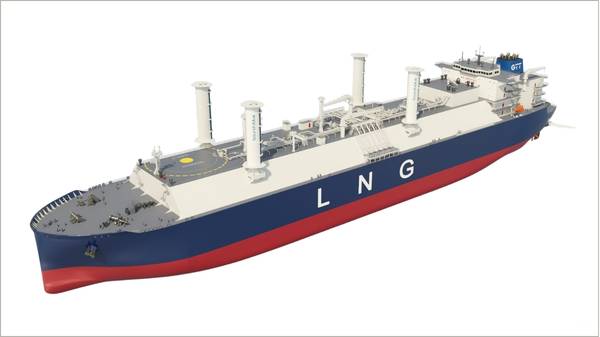
Wind propulsion offers 'no fundamental barriers' for LNG carriers, study finds
Bound4blue’s research with Cryosafe Services concludes that wind-assisted propulsion can be integrated into LNG carrier operations without major obstacles. |
|
|
|
||
|
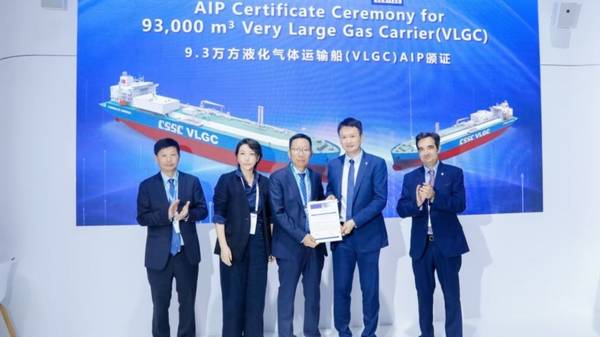
Bureau Veritas grants AiP to Hudong-Zhonghua for new LNG carrier and VLGC designs
Classification society approves two gas carrier designs featuring next-generation containment systems and dual-fuel propulsion capabilities. |
|
|
|
||
|
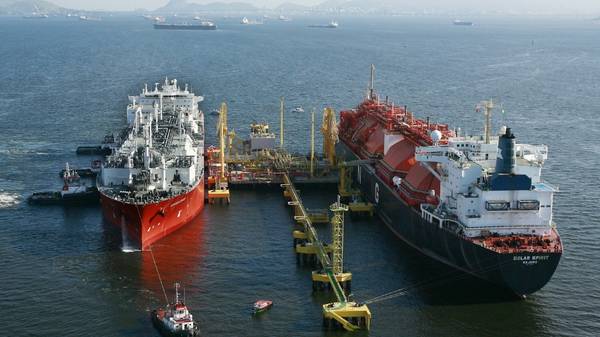
Petrobras signs 20-year LNG supply deal with Sempra Infrastructure
Brazilian state oil company will purchase 0.8 mtpa of LNG from a Texas liquefaction terminal for two decades. |
|
|
|
||
|
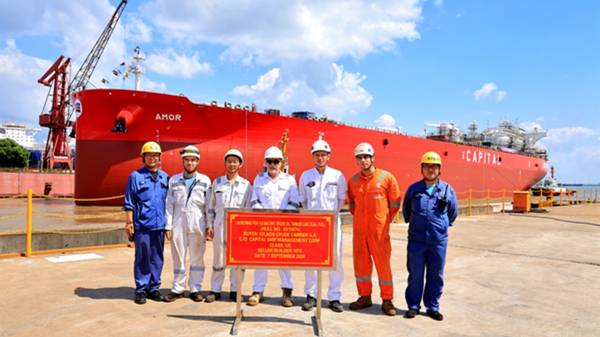
LNG dual-fuel crude oil tankers launched for Maran and Capital Ship
Two 155,500-DWT vessels launched by New Times Shipbuilding in China. |
|
|
|
||
| IBIA announces new date for mass flow meter training course in Rotterdam [News & Insights] |
| BSM launches methanol training courses for seafarers [News & Insights] |
| Anglo-Eastern completes pilot training course for ammonia-fuelled vessels [News & Insights] |
| ClassNK partners with GTT Training to offer alternative fuels courses [News & Insights] |
| LNG dual-fuel crude oil tankers launched for Maran and Capital Ship [News & Insights] |
| Fincantieri launches Viking Astrea with liquid-hydrogen propulsion at Ancona shipyard [News & Insights] |
| World's first operational ammonia bunker vessel enters service [News & Insights] |
| Trelleborg and Simwave launch LNG transfer equipment training programme at Gastech 2026 [News & Insights] |
| Burando Energies completes first physical bunker operation in Norway [News & Insights] |
