
 |
NorthStandard has released a new white paper examining the rapid uptake of biofuels in commercial shipping, as the marine insurer confirms it has received its first biofuel quality-related claims.
In a press release dated 26 February, the organisation announced publication of 'Biofuels – Driving the green transition,' a discussion document bringing together expertise from NorthStandard, supplier World Fuel and testing agency Veritas Petroleum Services (VPS). The paper explores adoption trends, operational risks and loss prevention measures linked to biofuel use.
Mark Smith, Loss Prevention Director – NNE and Decarbonisation at NorthStandard, said: “NorthStandard has already received a first batch of biofuel quality-related claims, as well as several enquiries on the proof of sustainability (PoS) and supporting documentation required to verify compliance.”
According to the white paper, biofuel sample testing conducted by VPS increased twelvefold between 2021 and 2025, reaching more than 1 million mt. Blends containing a 5%-10% bio component are already widely used by owner-operators seeking a drop-in solution to support maritime decarbonisation without significant vessel modifications.
The paper highlights tightening regulatory requirements under FuelEU Maritime. Ships were required to reduce greenhouse gas (GHG) intensity by 2% last year, with a 6% reduction required by 2030. The targets rise to 14.5% by 2035 and up to 80% by 2050, indicating that higher biofuel blend ratios will likely be necessary.
It further notes that a 30%-40% bio component is broadly aligned with the International Maritime Organization target for a 65% reduction in well-to-wake GHG intensity by 2040, compared to 2008 levels.
Smith said: “Biofuels remain the leading short-term decarbonisation pathway for shipping, and regulatory tightening, rapid demand growth, and increasingly diverse feedstocks mean that buyers must implement stronger due diligence.”
Delivered in a question-and-answer format, the white paper places significant emphasis on fuel quality management. It warns that fuels marketed as B100 (100%) biofuel may, in some cases, prove to be blends, potentially resulting in inconsistent or unpredictable performance.
For lower-percentage blends, buyers are advised to confirm whether the bio component consists of fatty acid methyl esters (FAME), hydrotreated vegetable oil (HVO) or alternative feedstocks such as cashew nut shell liquid (CNSL).
Michael Green, Senior Quality Manager at World Fuel, stated: “In an ideal world, owners would use HVO given its similarities to traditional marine diesel fuels. But from a supply perspective, availability and overall cost are two major challenges. HVO is used widely in other transport sectors, and as such availability for marine is likely to be limited.”
Green added: “Robust and transparent development protocols, overseen by industry bodies such as ISO and CIMAC, will be vital as new and different types of ‘bio’ are used to fill the availability gap.”
The expert group advises that no biofuel should be transferred until the Union Database (UDB) transaction ID has been provided. Once available, the ID should also be digitally linked to the bunker delivery note.
NorthStandard was formed through the merger of North P&I Club and the Standard Club in February 2023. The insurer reports premium revenues close to US$900 million, free reserves of more than US$800 million and mutual pool tonnage surpassing 270 million gross tonnes (GT). It is a member of the International Group of P&I Clubs (IG).

|
Japan Engine completes land-based testing of landmark hydrogen-fuelled engine for large vessels
Hydrogen co-firing rate of at least 95% achieved during factory testing. |
|
|
|
||
|
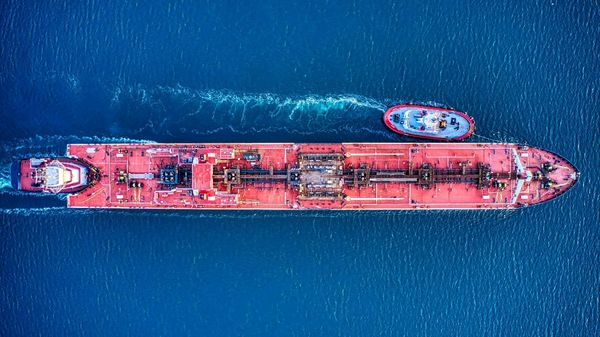
Ethanol edges into shipping’s fuel mix as methanol crossover eases adoption barriers
Rising interest from cargo owners, shared technology with methanol and Brazilian production growth push ethanol beyond regional niche status. |
|
|
|
||

|
ABS grants Hanwha Ocean approval for dual-fuel tank enabling LNG-to-ammonia switch
In-principle approval awarded for fuel tank and supply system enabling LNG carriers to convert to ammonia without replacement. |
|
|
|
||
|
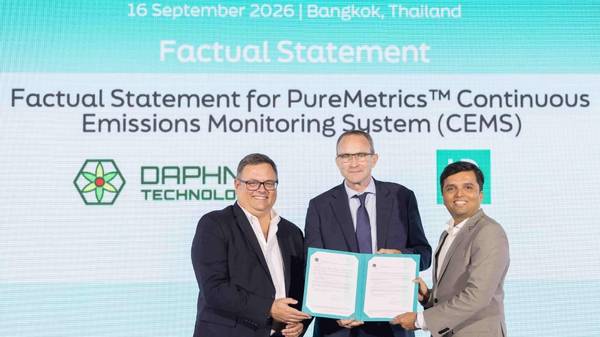
Lloyd's Register confirms suitability of Daphne Technology's emissions monitoring system
Factual Statement validates the PureMetrics design for monitoring greenhouse gas emissions from marine engines. |
|
|
|
||

|
IMO issues shipboard biofuel blend checklist developed by IBIA
Checklist for FAME-based biofuels formally incorporated into IMO document, supporting crews handling biofuel blends for the first time. |
|
|
|
||
|
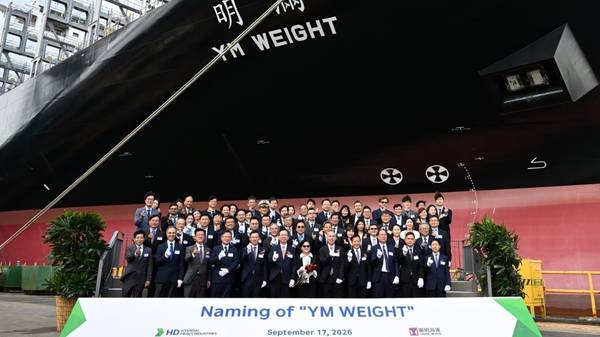
Yang Ming names fourth LNG dual-fuel container vessel YM Weight
Newbuild features high-pressure dual-fuel main engines capable of running on either LNG or low-sulphur fuel oil. |
|
|
|
||
|
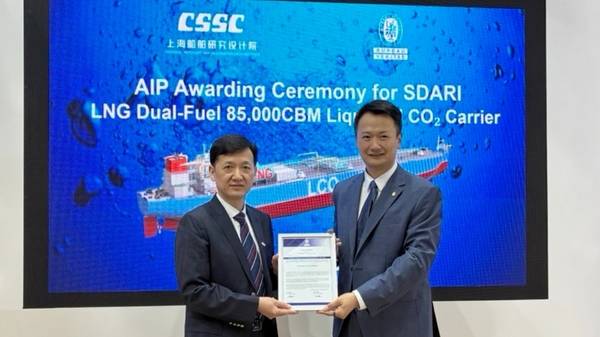
Bureau Veritas grants AiP to SDARI’s LNG dual-fuel liquefied CO₂ carrier design
Classification society approves 85,000-cbm vessel concept designed to support the growing carbon capture and storage sector. |
|
|
|
||

|
JuWonOil looking to strengthen with two Houston hires
Texas-based firm is recruiting a marine lubricants sales executive and a marine fuels and distillates trader. |
|
|
|
||
|
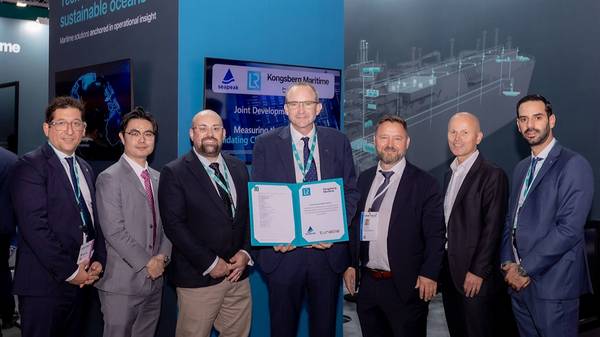
Four firms partner to trial continuous emissions monitoring on LNG carrier
LR, Seapeak, Kongsberg Maritime and Tunable will test onboard CO₂ monitoring against engine data and default emissions factors. |
|
|
|
||

|
Bunker Holding reshuffles commercial leadership across brand portfolio
Appointments announced across KPI OceanConnect, Glander International Bunkering and its digital sales operations. |
|
|
|
||
| BIMCO to convene for adoption of biofuel clause and ETS provisions at February meeting [News & Insights] |
| IMO seminar examines biofuels’ role in maritime decarbonisation [News & Insights] |
| Chimbusco Pan Nation delivers 170,000 tonnes of marine biofuel in China in 2025 [News & Insights] |
| SGMF publishes first ISO-compliant life cycle assessment of methanol as a marine fuel [News & Insights] |
| K Shipbuilding and Lloyd’s Register to jointly develop ethanol-fuelled tanker design [News & Insights] |
| Wind propulsion offers 'no fundamental barriers' for LNG carriers, study finds [News & Insights] |
| SEA-LNG urges EU to protect mass-balance pathway for liquefied biomethane [News & Insights] |
| LNG bunker fleet may need to more than double by 2030, DNV warns [News & Insights] |
