
 |
Econowind has received a type approval design certificate (TADC) from classification society DNV for its VentoFoil 3-Series boundary layer suction wing, a move the Dutch company says will accelerate deployment of the technology across the shipping industry.
The certificate, issued under DNV's ST-0511 standard for wind-assisted propulsion systems (WAPS), applies to the 16-metre VentoFoil 3-Series product design. According to Econowind, the approval enables integration of the system into DNV-classed vessels worldwide without requiring a full design assessment process to be repeated for each individual project, reducing complexity for shipowners, shipyards and project teams.
The 3-Series is Econowind's best-selling suction wing, with over 150 units sold to date. The system uses active suction to harness wind power and generate forward thrust, with the aim of reducing fuel consumption. It features a tilting foundation that allows the wings to be lowered during port operations or adverse weather. Econowind claims the system can also help operators mitigate penalties under the FuelEU Maritime regulation.
Chiel de Leeuw, Chief Commercial Officer at Econowind, stated: "DNV is one of the world's leading classification societies. This TADC gives DNV-classed shipowners confidence that VentoFoils meet the highest industry standards. It simplifies the approval process for both retrofits and newbuilds. VentoFoils are ideal for late-stage design integration and retrofit projects. This is an important milestone for Econowind and for the wider adoption of wind-assisted ship propulsion."
Hasso Hoffmeister, Senior Principal Engineer at DNV Maritime, commented: "It is a great pleasure to award Econowind this new certificate. WAPS have been going from strength to strength over the past few years. Since 2022, the number of vessels in operation has increased fivefold, and we've now topped the century mark. And with the current advances in technology, materials, and production capacity in the segment, we expect this to accelerate. So, while the wind always changes, the shipping industry is likely to be sailing strong for years to come."
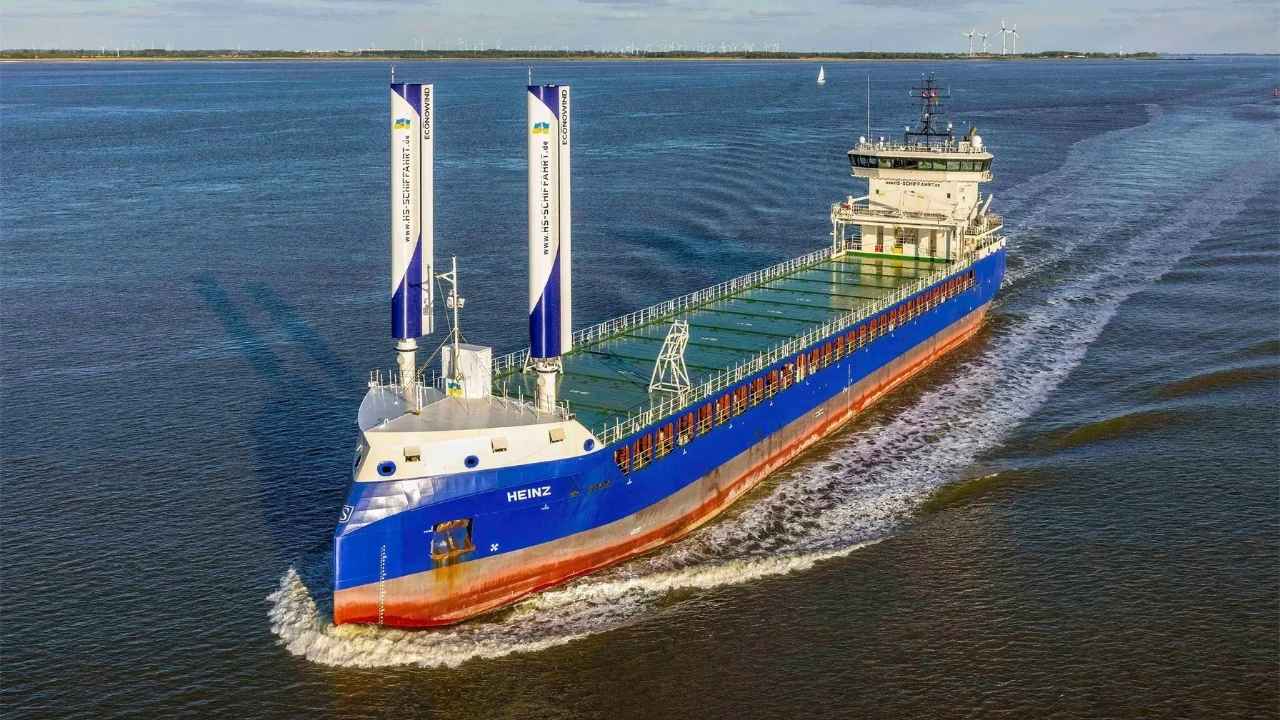
MS Heinz, operated by HS Schiffahrt, is among the first vessels to operate under the new TADC.
|
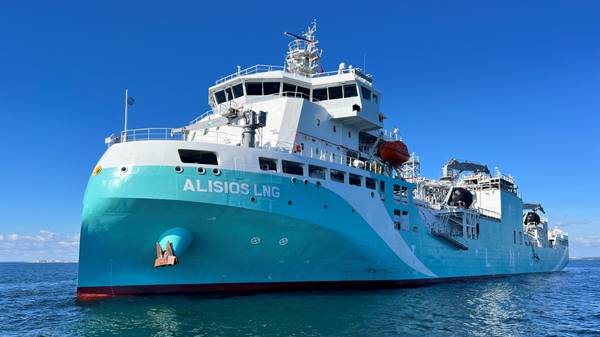
Axpo completes first LNG bunkering in Valencia, with over half bio-LNG
Ship-to-ship transfer to a container vessel makes Valencia the company's fourth Spanish port for LNG bunkering. |
|
|
|
||
|
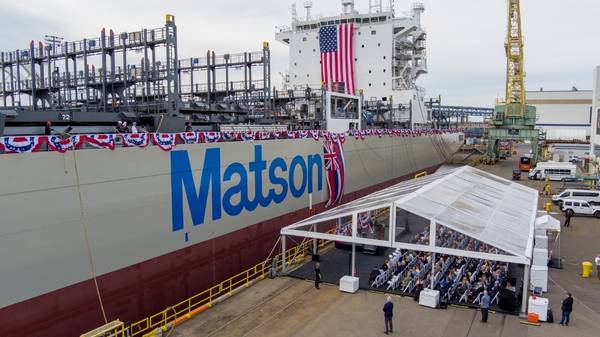
Matson christens Makua, first of three LNG-ready Aloha Class container ships
Dual-fuel vessel, due for delivery in early 2027, is the first of three ships worth around $1bn. |
|
|
|
||
|
CMB.Tech seeks Singapore-based ammonia operations manager for Asia Pacific
New hire will oversee ammonia chartering and bunkering and liaise with Far East partners. |
|
|
|
||
|
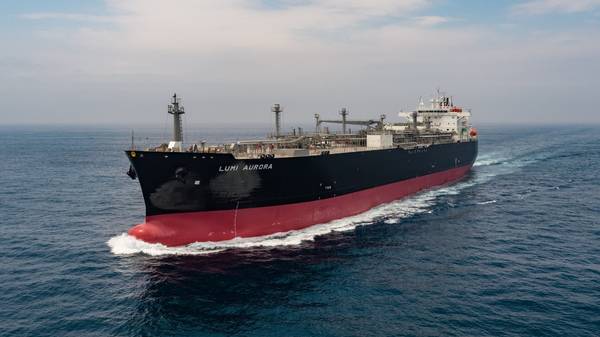
IINO Lines deploys first Ice Class IB VLGC on long-term charter to Borouge International
LPG-fuelled Lumi Aurora will carry North American gas to Borouge International's Porvoo plant in Finland. |
|
|
|
||
|
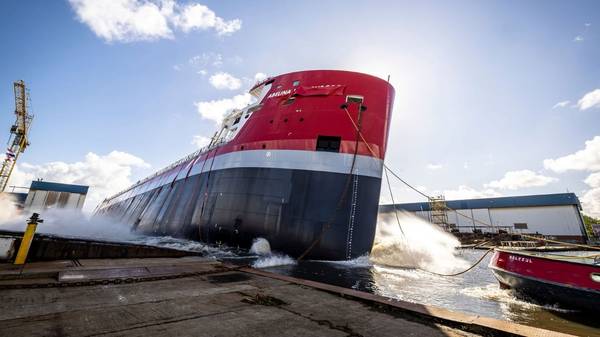
Wagenborg launches first EasyMax 2.0 vessel, prepared for methanol, ammonia and LNG
Abelina Wagenborg, built at Niestern Sander, is the first of a new generation designed for multiple alternative fuels. |
|
|
|
||
|
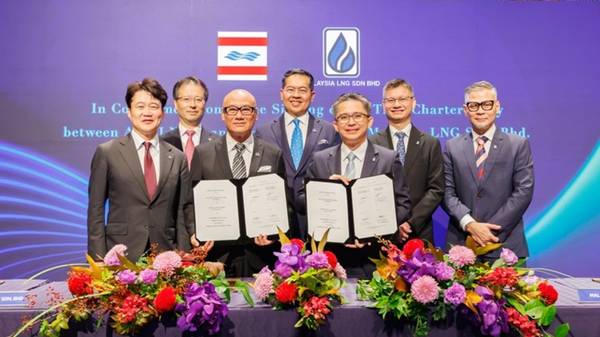
NYK–MISC joint venture signs charter for 18,700-cbm LNG carrier with Malaysia LNG
Asia LNG Transport will operate the dual-fuel diesel-electric newbuild, due from Hudong-Zhonghua in 2028, on routes to Japan. |
|
|
|
||
|
Study finds methanol dual-fuel retrofit of Kamsarmax bulk carrier would take about 75 days
Report by Mærsk Mc-Kinney Møller Center, involving Tsuneishi, puts conversion costs at 25–30% of the cost of a conventionally fuelled newbuilding. |
|
|
|
||
|
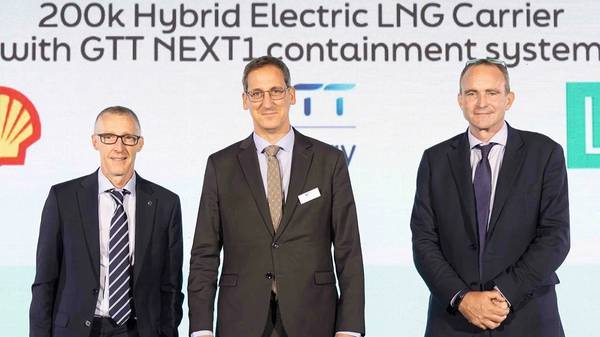
Lloyd's Register, Shell and GTT launch joint project on hybrid-electric 200,000-cbm LNG carrier
Partners to develop a concept combining hybrid-electric propulsion with GTT NEXT1 cargo containment technology for larger LNG carriers. |
|
|
|
||
|
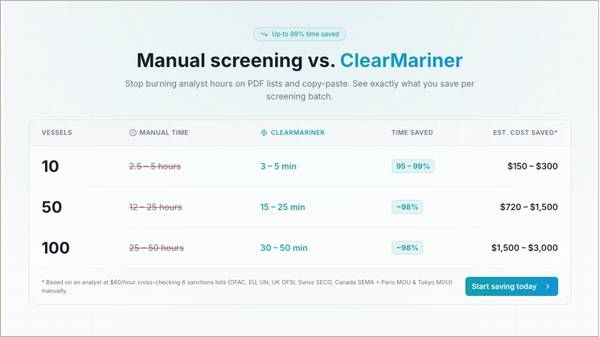
ClearMariner expands maritime sanctions screening with ESG, emissions and API support
Online service now combines sanctions checks with voyage CO₂, CII, EU ETS and FuelEU Maritime estimates. |
|
|
|
||

|
Flex Commodities adds Long Jing Xin to Singapore marine fuels team
Company appoints associate for marine fuels as part of plan for regional expansion. |
|
|
|
||
| ABB and Econowind combine wind propulsion with digital routing to cut ship emissions [News & Insights] |
| HGK Shipping’s Amadeus Titanium fitted with wind assistance system [News & Insights] |
| Chemship orders VentoFoils for two more chemical tankers after fuel savings of up to 15% [News & Insights] |
| Nissen Kaiun invests in wind-assist technology firm Econowind [News & Insights] |
| Uni-Tankers vessel gets wind-assisted propulsion [News & Insights] |
