
 |
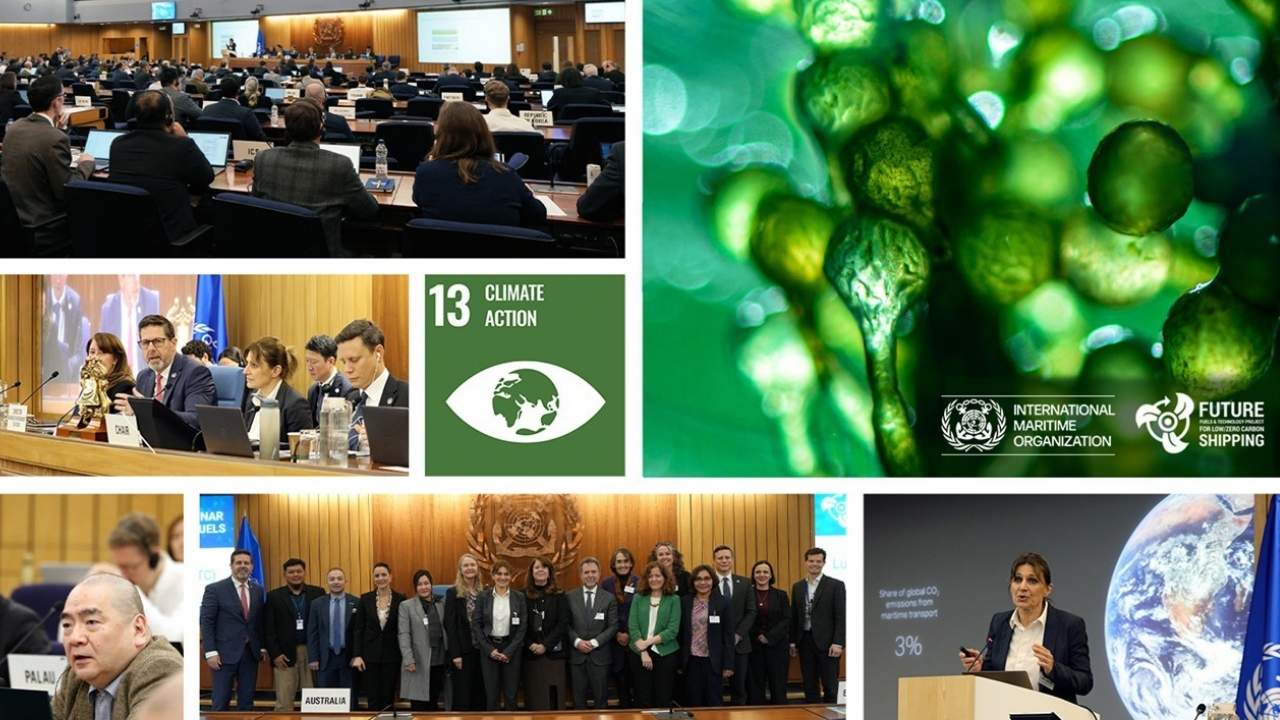
The International Maritime Organization (IMO) hosted a technical seminar at its London headquarters on 12 February to examine the use of biofuels in maritime decarbonisation, attracting around 700 in-person and virtual participants and more than 1,300 online viewers.
The seminar was organised under the IMO Future Fuels and Technology Project, a partnership between the Government of the Republic of Korea and IMO. The initiative aims to share information on alternative fuels and emerging technologies to support policymakers in reducing greenhouse gas GHG emissions from shipping.
The event was purely informative rather than policy-focused, with participants attending from IMO member states, industry, academia and international organisations.
Sessions were moderated by Dr Roberta Cenni, head of biofuels at the Maersk Mc-Kinney Møller Center for Zero Carbon Shipping, and focused on three main areas: the current state of biofuel use in shipping, production and certification pathways and market dynamics, and onboard operational experience.
Speakers addressed both the potential and the challenges of biofuels in maritime decarbonisation, including sustainability considerations, supply dynamics, engine compatibility, and onboard safety. Case studies of biofuel use were presented from Brazil, Indonesia, Türkiye, and the United States.
Closing the event, David Osborn, director of IMO’s Marine Environment Division, said further technical seminars are planned. Feedback collected after the seminar identified ammonia, LNG, and methanol as the main focus areas for future events.
The event marked the project’s third technical seminar, building on earlier sessions focused on onboard carbon capture and the broader energy transition in shipping.
|
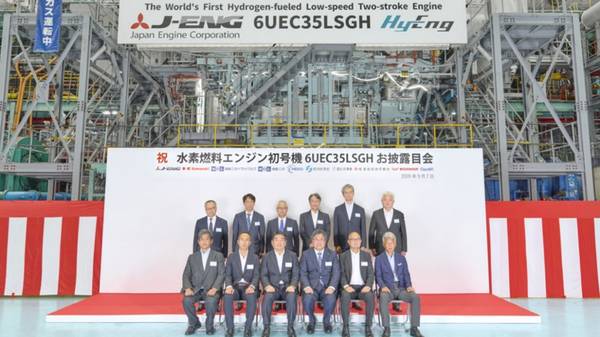
Japan Engine completes land-based testing of landmark hydrogen-fuelled engine for large vessels
Hydrogen co-firing rate of at least 95% achieved during factory testing. |
|
|
|
||
|
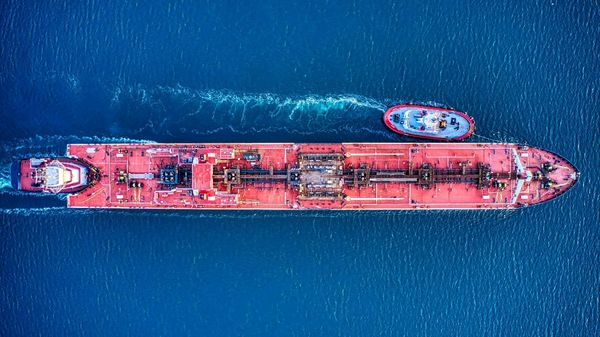
Ethanol edges into shipping’s fuel mix as methanol crossover eases adoption barriers
Rising interest from cargo owners, shared technology with methanol and Brazilian production growth push ethanol beyond regional niche status. |
|
|
|
||
|
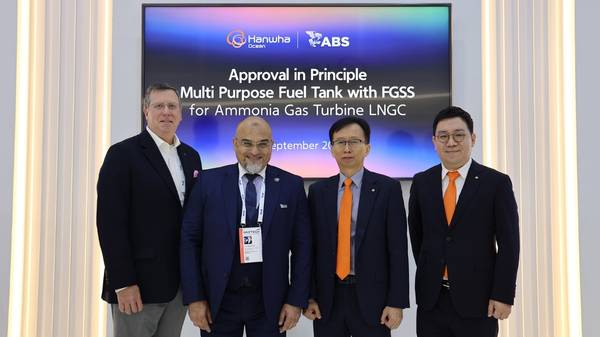
ABS grants Hanwha Ocean approval for dual-fuel tank enabling LNG-to-ammonia switch
In-principle approval awarded for fuel tank and supply system enabling LNG carriers to convert to ammonia without replacement. |
|
|
|
||
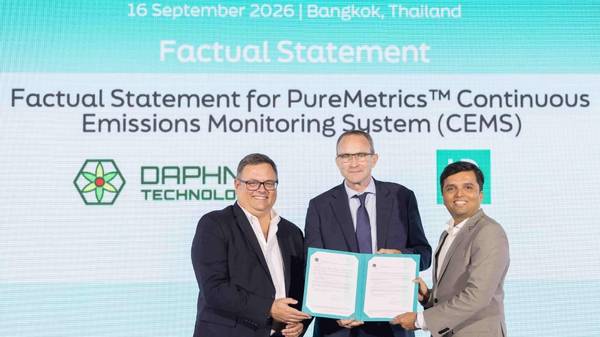
|
Lloyd's Register confirms suitability of Daphne Technology's emissions monitoring system
Factual Statement validates the PureMetrics design for monitoring greenhouse gas emissions from marine engines. |
|
|
|
||

|
IMO issues shipboard biofuel blend checklist developed by IBIA
Checklist for FAME-based biofuels formally incorporated into IMO document, supporting crews handling biofuel blends for the first time. |
|
|
|
||
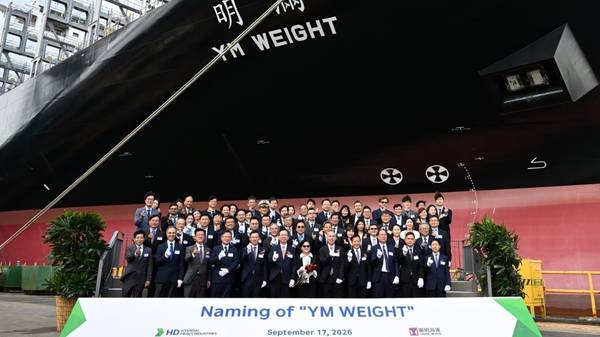
|
Yang Ming names fourth LNG dual-fuel container vessel YM Weight
Newbuild features high-pressure dual-fuel main engines capable of running on either LNG or low-sulphur fuel oil. |
|
|
|
||
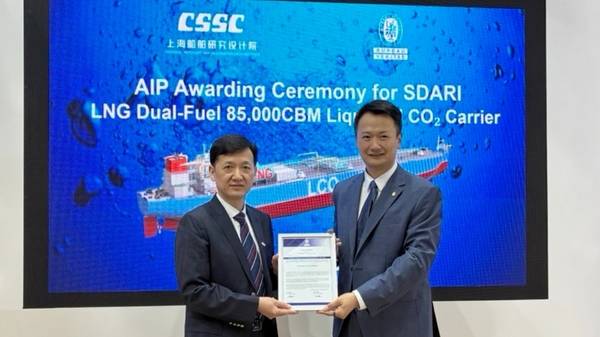
|
Bureau Veritas grants AiP to SDARI’s LNG dual-fuel liquefied CO₂ carrier design
Classification society approves 85,000-cbm vessel concept designed to support the growing carbon capture and storage sector. |
|
|
|
||

|
JuWonOil looking to strengthen with two Houston hires
Texas-based firm is recruiting a marine lubricants sales executive and a marine fuels and distillates trader. |
|
|
|
||
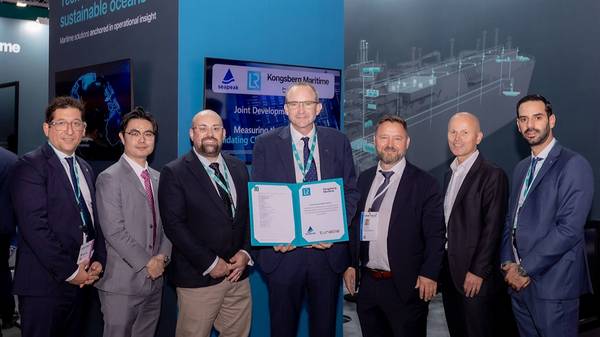
|
Four firms partner to trial continuous emissions monitoring on LNG carrier
LR, Seapeak, Kongsberg Maritime and Tunable will test onboard CO₂ monitoring against engine data and default emissions factors. |
|
|
|
||

|
Bunker Holding reshuffles commercial leadership across brand portfolio
Appointments announced across KPI OceanConnect, Glander International Bunkering and its digital sales operations. |
|
|
|
||
| IMO committee agrees NOx certification rules for ammonia and hydrogen engines [News & Insights] |
| IMO members urged to back mandatory Arctic fuel standards to cut black carbon emissions [News & Insights] |
| IMO to host technical seminar on marine biofuels in February [News & Insights] |
| Lloyd's Register confirms suitability of Daphne Technology's emissions monitoring system [News & Insights] |
| IMO issues shipboard biofuel blend checklist developed by IBIA [News & Insights] |
| Four firms partner to trial continuous emissions monitoring on LNG carrier [News & Insights] |
| Maersk and Anemoi to fit rotor sail on container ship in industry first [News & Insights] |
| Onboard carbon capture a viable emissions pathway for shipping fleet, Lloyd’s Register report finds [News & Insights] |
