
 |
EmissionLink has completed FuelEU Maritime pooling submissions for more than 600 vessels in its first compliance cycle, with 90% of shipowners opting to participate in pooling arrangements.
The emissions management service, backed by the Columbia Group, claims FuelEU compliance has evolved beyond regulation to become a commercial optimisation challenge following the inaugural pooling submission.
The process included resolving technical and regulatory issues, including complexities around ice-class vessels, according to the company. EmissionLink said this enabled participating firms to meet their obligations while retaining commercial flexibility.
The first compliance cycle has changed the structure of the FuelEU pooling market, with pooling activity and outcomes now more visible to shipowners and pooling providers. This has increased competition, particularly as companies holding surplus positions seek to place volumes carried forward from the 2025 cycle.
EmissionLink expects 2026 FuelEU pricing to depend on existing market surplus, the cost of creating new surplus, alternative fuel price movements, and the speed at which companies with deficits secure their compliance position.
While early 2026 pricing has softened as surplus volumes enter the market, EmissionLink cautioned that prices may not remain low throughout the cycle. As the next FuelEU deadline approaches, uncontracted deficit holders may face reduced flexibility, tighter access to surplus, and higher execution risk.
"FuelEU has moved very quickly from theory to commercial reality," said Philippos Ioulianou, managing director at EmissionLink. "For many companies, the challenge was not simply understanding the regulation, but managing the practical steps needed to achieve compliance across fleets, verifiers and pooling counterparties. We are pleased to have delivered a smooth and successful process for our clients, giving them time, clarity and confidence."
EmissionLink expects biofuels to play a growing role in the next phase of FuelEU compliance as availability improves and operators assess the cost of generating surplus against the value available in the pooling market. Bio-LNG may also remain part of the mix, although its use will depend heavily on price levels and the commercial return available from any surplus generated, according to the company.
Ioulianou said the first cycle has demonstrated that FuelEU compliance is no longer simply a regulatory exercise, but a commercial optimisation challenge. As the market matures, smaller and mid-sized fleets may increasingly use targeted fuel strategies and pooling to manage compliance across their own vessels or participate in smaller, more tailored pools.
"FuelEU compliance will become more transparent, more competitive and more strategic in future," said Ioulianou. "The companies that act early, understand their exposure and work with partners who can manage both the regulatory and commercial detail will be best placed to control cost and capture value."
EmissionLink provides an integrated emissions management service covering FuelEU, EU ETS, surplus trading support, fuel strategy consulting, and banking and borrowing advisory.
|
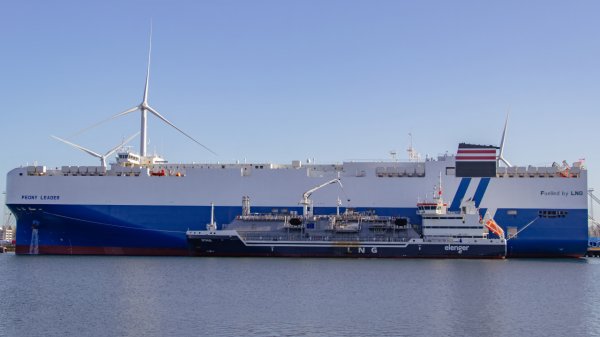
FuelEU pooling drives surge in bio-LNG demand, Titan analysis finds
Clean fuel supplier's modelling shows pooling mechanism turning overcompliance into tradable value for LNG-fuelled ships. |
|
|
|
||
|
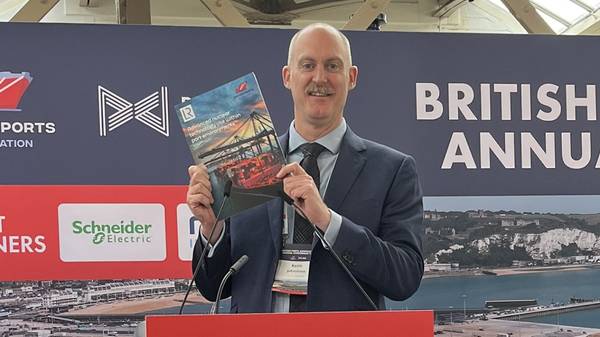
Ports told to prepare now for advanced nuclear power
Joint paper sets out a readiness pathway for ports facing nuclear-powered vessels, floating reactors and small modular units |
|
|
|
||
|
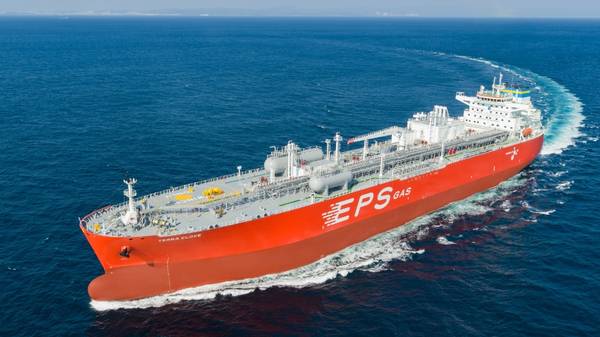
Eastern Pacific Shipping takes delivery of first ammonia dual-fuel VLAC
Terra Clove powered by first Everllence B&W 6G60ME-C10.5-LGIA ammonia dual-fuel two-stroke engine. |
|
|
|
||
|
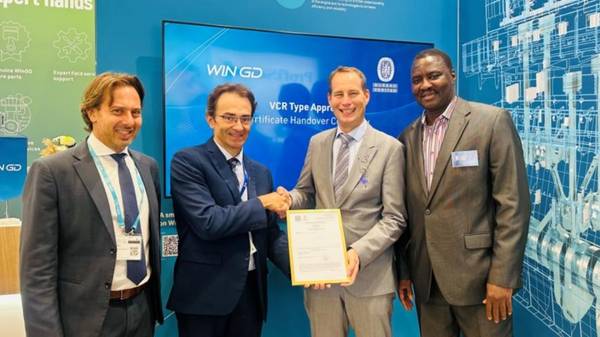
Bureau Veritas approves WinGD's variable compression ratio technology for dual-fuel engines
Classification society grants type approval to engine technology enabling compression ratio adjustment across different marine fuels. |
|
|
|
||
|
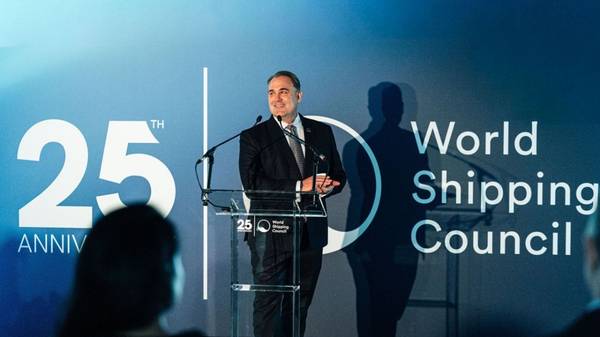
Dual-fuel fleet passes 500 ships as investment tops $200bn
World Shipping Council data shows dual-fuel container ships and vehicle carriers growing fast, with IMO rules uncertain. |
|
|
|
||

|
VPS to host Athens seminar on fuel efficiency and carbon reduction
VPS's final European round table of 2026 will cover marine fuels, lubricants and decarbonisation in Athens. |
|
|
|
||
|
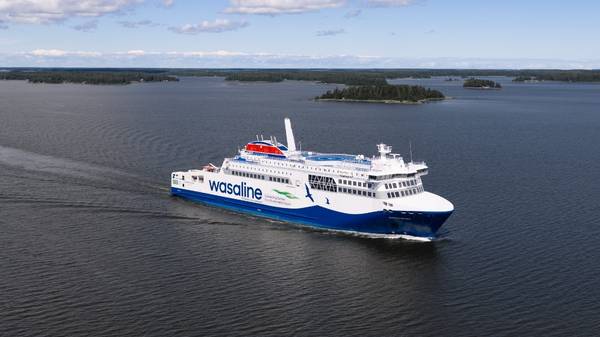
Wasaline secures locally produced biogas supply from St1 Biokraft for Vaasa–Umeå ferry
Agreement will supply 42 GWh of liquefied biogas annually, with deliveries due to start in January 2028. |
|
|
|
||
|
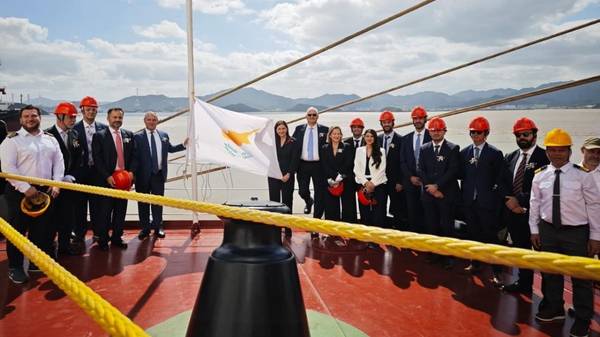
Safe Bulkers takes delivery of first dual-fuel methanol Kamsarmax newbuild
Kypros Island becomes the first dual-fuel bulker to enter the Cyprus Registry. |
|
|
|
||

|
PetroChina seeks LNG bunker trader to expand Asian marine fuel business
Role requires five to ten years of commercial experience in LNG, bunker trading, marine fuels, commodities, or energy trading. |
|
|
|
||
|
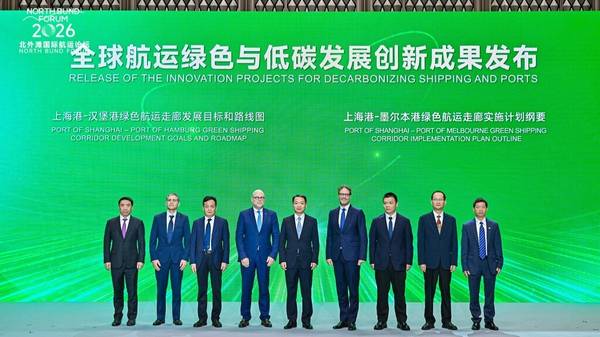
Shanghai and Melbourne ports move green shipping corridor into delivery phase
Ports launch implementation plan targeting green methanol, biofuels and shore power by 2035. |
|
|
|
||
| LR publishes retrofit guidance covering alternative fuels and energy-saving devices in one framework [News & Insights] |
| ClearMariner expands maritime sanctions screening with ESG, emissions and API support [News & Insights] |
| Wind propulsion offers 'no fundamental barriers' for LNG carriers, study finds [News & Insights] |
| Shipowners risk financial exposure by delaying EU allowance transfers, EmissionLink warns [News & Insights] |
| EmissionLink urges demand aggregation to unlock zero-emission fuel investment [News & Insights] |
