
 |
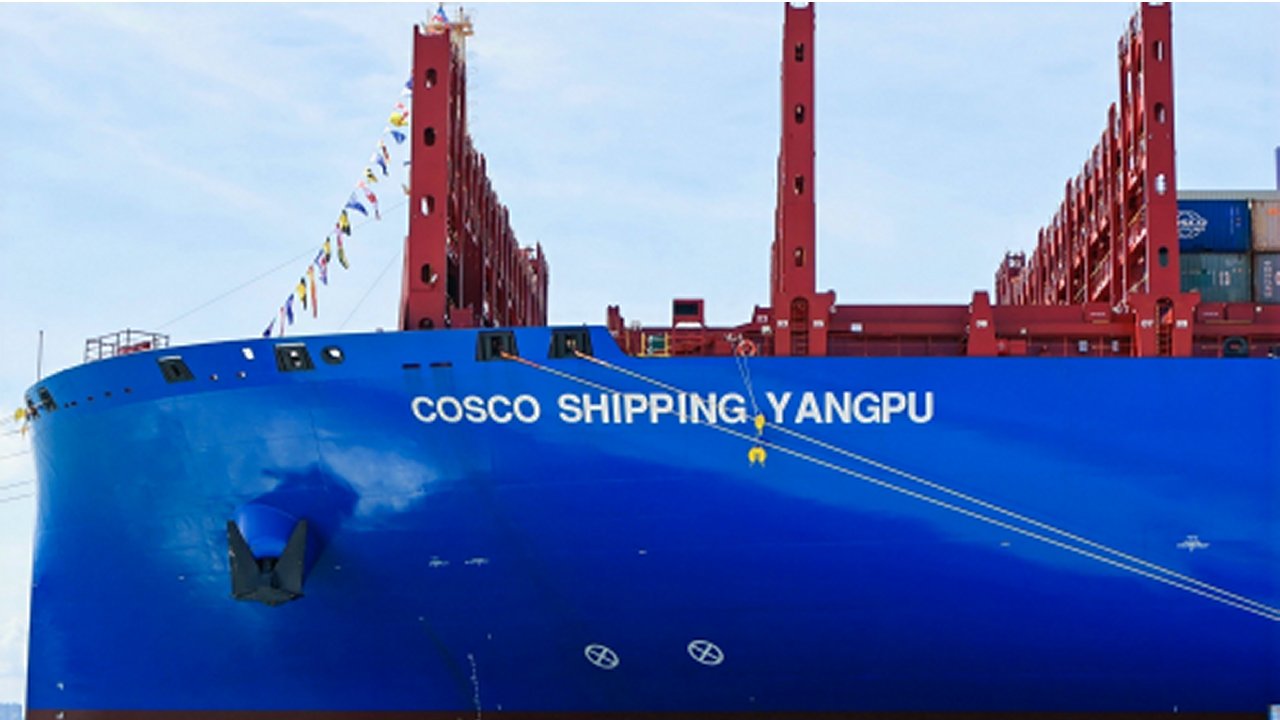
China's first methanol dual-fuel containership, M.V. COSCO Shipping Yangpu, completed its maiden call at Yangpu Port in Hainan Province on July 2 and was refuelled with green methanol at Yangpu International Container Terminal (YICT).
The vessel, built by COSCO Shipping Heavy Industry Yangzhou, is currently deployed on COSCO Shipping Line's trans-Pacific route. This marked the first time the ship had called at Yangpu and bunkered with green methanol fuel provided by China Shipping & Sinopec Suppliers Co., Ltd. (Sinobunker).
According to Sinobunker, the green methanol was derived from biogas produced through the fermentation of urban kitchen waste and animal manure. The company said the main raw materials for the fuel were processed entirely on Hainan Island, from collecting biomass raw material to terminal filling.
Sinobunker described the operation as the first pilot in China to demonstrate the feasibility of an end-to-end supply chain for production, sales, and use of green methanol derived from urban domestic waste. The company added that the process can achieve resource recycling and reduce greenhouse gas emissions.
The bunkering operation comes after the completion of the Hainan Yangpu Regional International Container Hub Port Expansion Project (Phase I) in April 2025. The expansion includes one 15,000-tonne and one 20,000-tonne berth, raising YICT's terminal annual design throughput capacity to 3.6 million TEUs.
Furthermore, a project to build the 'Green Hub Port of Yangpu' in Hainan was greenlit at the start of July after Hainan Harbor & Shipping International Port and COSCO Shipping (Tianjin) signed a cooperation agreement.
The COSCO Shipping Yangpu has an overall length of 366 meters and width of 51 meters, with a maximum container capacity of 16,136 TEUs. According to COSCO Shipping, the vessel represents three firsts in large-scale methanol dual-fuel container ship construction: the first order for a Chinese shipowner, the first delivery by a Chinese shipyard, and the first real-ship application of a domestically produced methanol engine.
COSCO Shipping is developing Yangpu as a container hub port under what it calls a 'dual-centre' strategy, co-developing Yangpu Port with Abu Dhabi port as two international hubs. The company is also pursuing a 'two-way dual-hub international port' strategy, building Yangpu as the southern hub for China's domestic north-south shipping routes and the eastern hub for east-west shipping routes from Southeast Asia to North America.
Yangpu Port currently operates 14 foreign trade routes, including 10 routes connecting major ASEAN and South Asian markets such as Vietnam, Malaysia, Singapore, Cambodia, Thailand, Indonesia, the Philippines, Myanmar, and Bangladesh. The port also runs one route to Australia, two routes to the US, and one route to the Persian Gulf. Additionally, it operates eight Chinese domestic trade routes linking with major Chinese coastal ports including Qinzhou, Zhanjiang, Nansha, Nantong, Quanzhou, Ningbo, Tianjin, and Yingkou.
|
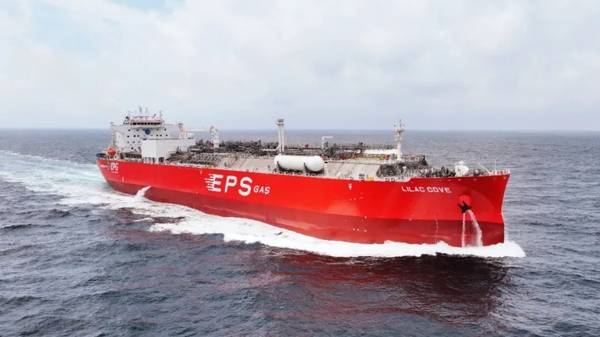
Jiangnan delivers second LPG dual-fuel VLAC in series to Singapore’s EPS
Lilac Cove, the world’s largest liquid ammonia carrier, joins Ivy Cove as Jiangnan advances its six-ship VLAC programme. |
|
|
|
||
|
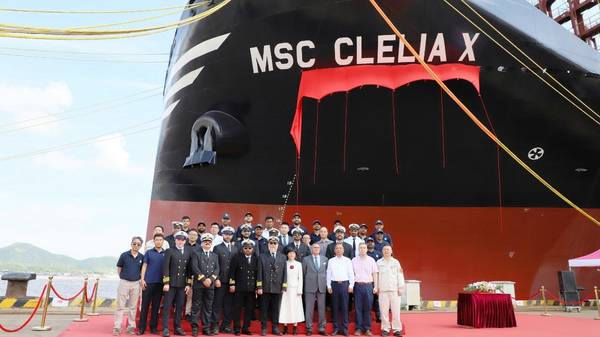
MSC LNG dual-fuel container ship delivered almost a year early
Chinese shipbuilder hands over sixth 10,300-TEU vessel in series to MSC ahead of contract schedule. |
|
|
|
||
|
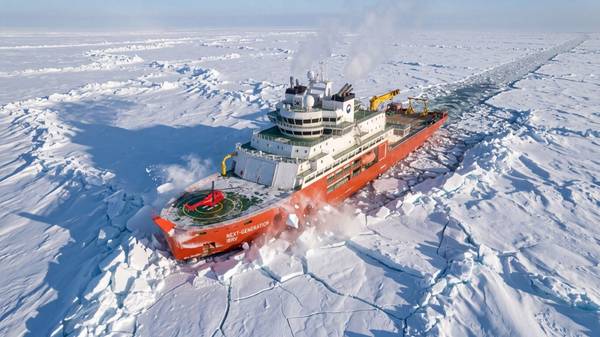
Steel cutting marks start of construction on dual-fuel icebreaking research vessel
Hanwha Ocean begins building a dual-fuel LNG/MGO icebreaker for the Republic of Korea’s Ministry of Oceans and Fisheries, due for delivery in 2030. |
|
|
|
||
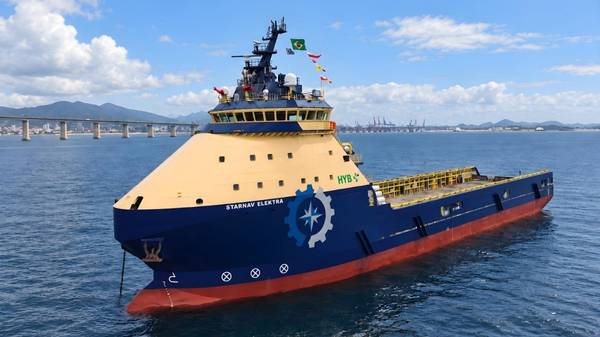
|
Petrobras christens first vessel under Mar Aberto fleet renewal programme
Platform supply vessel Starnav Elektra, built in Santa Catarina with an all-female crew, marks the first delivery under the fleet initiative. |
|
|
|
||
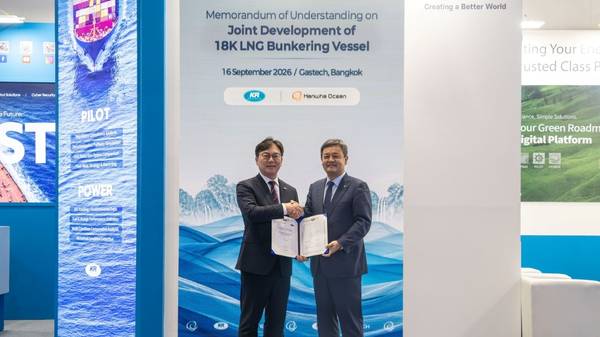
|
KR and Hanwha Ocean agree to develop 18,000-cbm LNG bunkering vessel designs
Pair will jointly explore two design concepts for a new LNG bunkering vessel. |
|
|
|
||
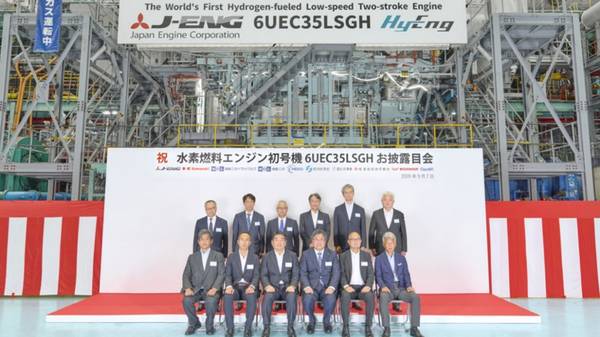
|
Japan Engine completes land-based testing of landmark hydrogen-fuelled engine for large vessels
Hydrogen co-firing rate of at least 95% achieved during factory testing. |
|
|
|
||
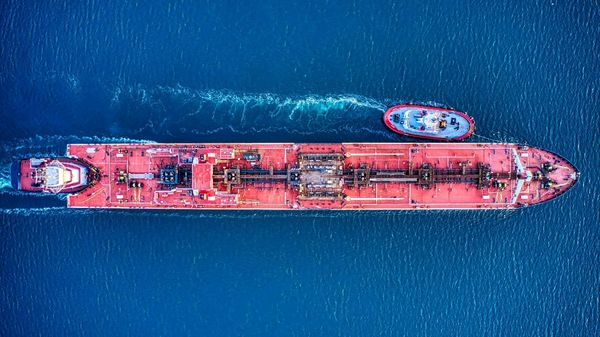
|
Ethanol edges into shipping’s fuel mix as methanol crossover eases adoption barriers
Rising interest from cargo owners, shared technology with methanol and Brazilian production growth push ethanol beyond regional niche status. |
|
|
|
||
|
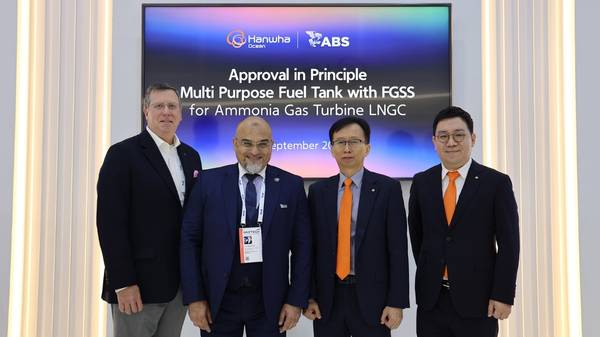
ABS grants Hanwha Ocean approval for dual-fuel tank enabling LNG-to-ammonia switch
In-principle approval awarded for fuel tank and supply system enabling LNG carriers to convert to ammonia without replacement. |
|
|
|
||
|
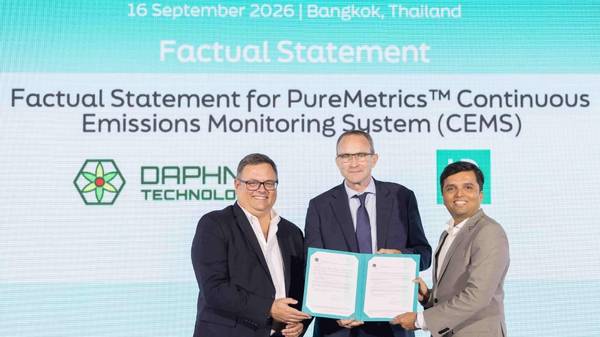
Lloyd's Register confirms suitability of Daphne Technology's emissions monitoring system
Factual Statement validates the PureMetrics design for monitoring greenhouse gas emissions from marine engines. |
|
|
|
||

|
IMO issues shipboard biofuel blend checklist developed by IBIA
Checklist for FAME-based biofuels formally incorporated into IMO document, supporting crews handling biofuel blends for the first time. |
|
|
|
||
| Maersk signs green methanol deal with China's Goldwind [News & Insights] |
| Fratelli Cosulich begins construction of second methanol-ready bunker tanker [News & Insights] |
| MSC LNG dual-fuel container ship delivered almost a year early [News & Insights] |
| Japan Engine completes land-based testing of landmark hydrogen-fuelled engine for large vessels [News & Insights] |
| Yang Ming names fourth LNG dual-fuel container vessel YM Weight [News & Insights] |
| GTT Energy launches new LNG fuel tank design for container ships [News & Insights] |
| LNG dual-fuel container ship delivered to Eastern Pacific Shipping [News & Insights] |
