
 |
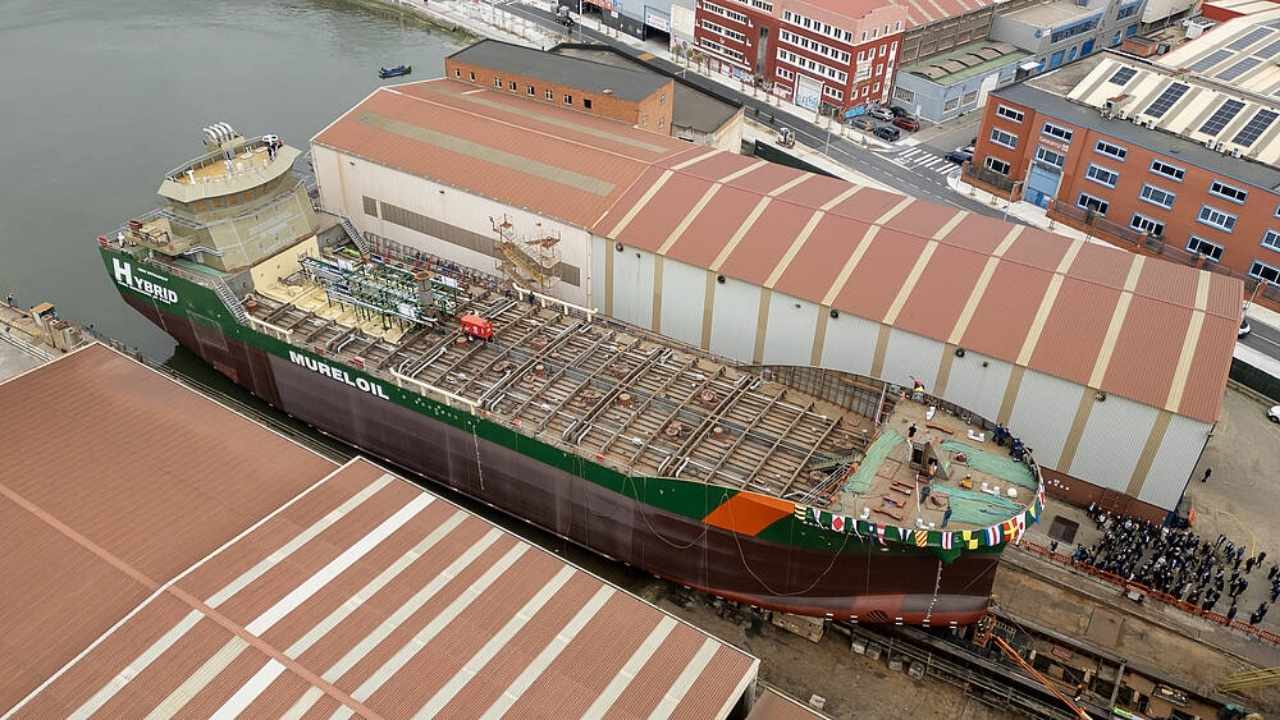
Schottel has supplied the propulsion package for Bahía Beatriz, an 8,000-deadweight-tonne (DWT) hybrid chemical tanker built for bunkering operations and terminal-to-terminal fuel transport.
The vessel was built by Spanish shipyard Astilleros de Murueta and was launched in February 2026 by Bilbao-based owner Mureloil.
Bahía Beatriz will operate alongside sister vessel Bahía Candela, which is already in service with the same Schottel propulsion arrangement. According to the company, the two vessels together will double Mureloil’s capacity to transport biofuels and methanol.
Jose Luis Caraballo, General Manager at Mureloil, commented: “Choosing azimuth thrusters for a diesel-electric bunker vessel is not just a technical preference – it is a strategic maintenance decision that enhances safety and performance in one of the most demanding maritime operations: ship-to-ship fuel transfer.”
To support safe and efficient bunkering operations, Bahía Beatriz uses a diesel-electric propulsion system intended to provide dependable performance while helping to reduce emissions. The setup includes two Schottel RudderPropellers type SRP 360 and one Schottel TransverseThruster type STT 1.
Schottel explained that the arrangement is designed to give the vessel precise manoeuvrability, which is especially important when operating close to larger ships during ship-to-ship bunkering. The company added that built-in redundancy provides an extra layer of security and helps ensure continuous operation.
According to Schottel, the two vessels are among the first tankers to use battery-based diesel-electric power, with the potential to cut greenhouse gas emissions by up to 50%. The propulsion concept is also intended to allow the ships to operate fully on electricity during port calls, reducing emissions to zero in those conditions.
Schottel said this gives owners and operators a way to meet increasingly strict port and regional rules without sacrificing range or operational flexibility.
|
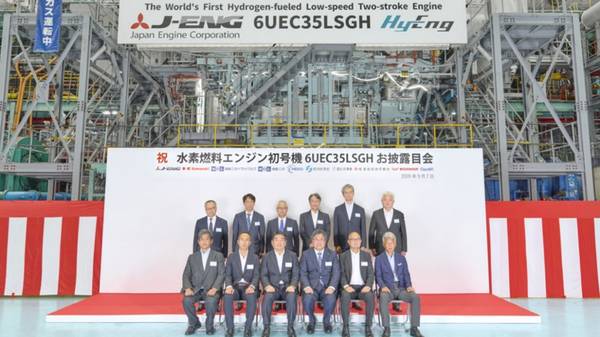
Japan Engine completes land-based testing of landmark hydrogen-fuelled engine for large vessels
Hydrogen co-firing rate of at least 95% achieved during factory testing. |
|
|
|
||
|
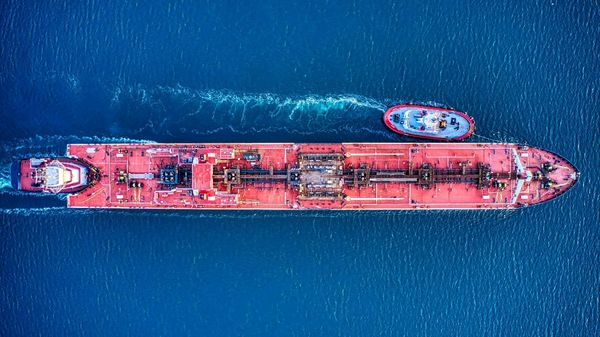
Ethanol edges into shipping’s fuel mix as methanol crossover eases adoption barriers
Rising interest from cargo owners, shared technology with methanol and Brazilian production growth push ethanol beyond regional niche status. |
|
|
|
||
|
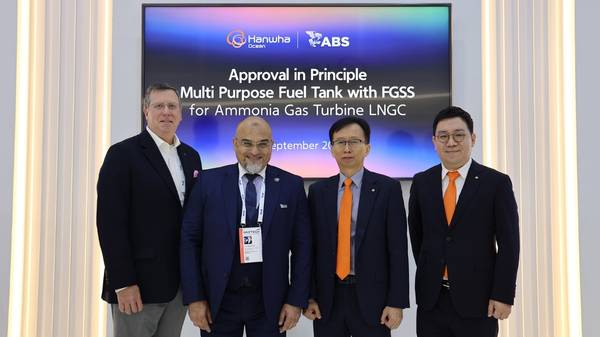
ABS grants Hanwha Ocean approval for dual-fuel tank enabling LNG-to-ammonia switch
In-principle approval awarded for fuel tank and supply system enabling LNG carriers to convert to ammonia without replacement. |
|
|
|
||
|
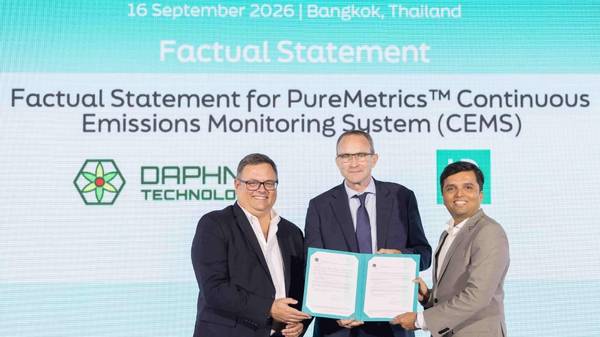
Lloyd's Register confirms suitability of Daphne Technology's emissions monitoring system
Factual Statement validates the PureMetrics design for monitoring greenhouse gas emissions from marine engines. |
|
|
|
||

|
IMO issues shipboard biofuel blend checklist developed by IBIA
Checklist for FAME-based biofuels formally incorporated into IMO document, supporting crews handling biofuel blends for the first time. |
|
|
|
||
|
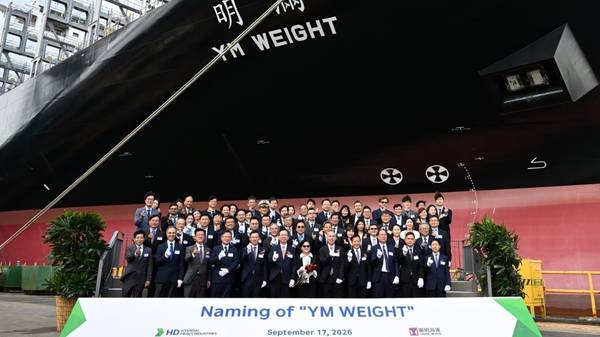
Yang Ming names fourth LNG dual-fuel container vessel YM Weight
Newbuild features high-pressure dual-fuel main engines capable of running on either LNG or low-sulphur fuel oil. |
|
|
|
||
|
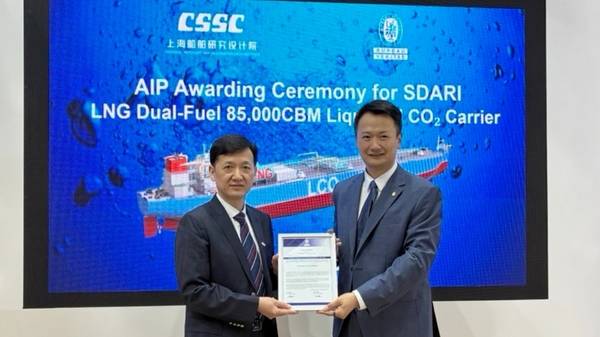
Bureau Veritas grants AiP to SDARI’s LNG dual-fuel liquefied CO₂ carrier design
Classification society approves 85,000-cbm vessel concept designed to support the growing carbon capture and storage sector. |
|
|
|
||

|
JuWonOil looking to strengthen with two Houston hires
Texas-based firm is recruiting a marine lubricants sales executive and a marine fuels and distillates trader. |
|
|
|
||
|
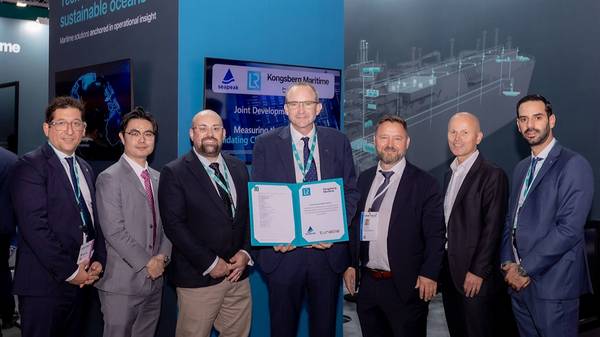
Four firms partner to trial continuous emissions monitoring on LNG carrier
LR, Seapeak, Kongsberg Maritime and Tunable will test onboard CO₂ monitoring against engine data and default emissions factors. |
|
|
|
||
|
Bunker Holding reshuffles commercial leadership across brand portfolio
Appointments announced across KPI OceanConnect, Glander International Bunkering and its digital sales operations. |
|
|
|
||
| Japan Engine completes land-based testing of landmark hydrogen-fuelled engine for large vessels [News & Insights] |
| ABS grants Hanwha Ocean approval for dual-fuel tank enabling LNG-to-ammonia switch [News & Insights] |
| Bureau Veritas grants approval in principle for methanol-fuelled catamaran concept [News & Insights] |
| World's first operational ammonia bunker vessel enters service [News & Insights] |
| WinGD wins order for dual-fuel alcohol engines for Polaris Shipping Newcastlemax fleet [News & Insights] |
