|
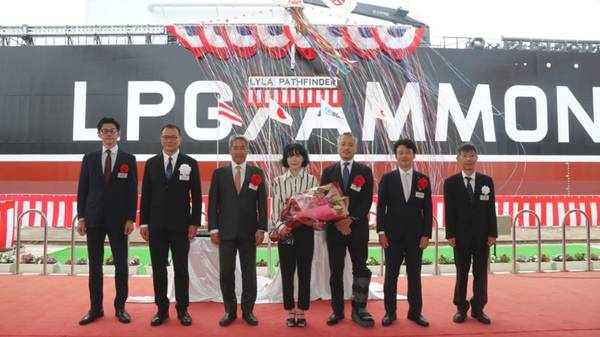
NYK names eighth dual-fuel LPG carrier at Kawasaki Heavy Industries yard
Lyla Pathfinder is capable of operating on both heavy fuel oil and LPG. |
|
|
|
||

|
Verde Marine Energy and Eleven Energy formalise strategic collaboration
Alliance combines physical supply capabilities with an expanding international trading business. |
|
|
|
||

|
US Federal Maritime Commission chair to keynote IBIA Convention 2026 in New York
Laura DiBella to address marine fuel industry leaders on regulation and market direction. |
|
|
|
||

|
Longer drains, lower cost: The role of oil analysis of synthetic engine oils | Joe Star, VPS
VPS recommends robust oil analysis programme for the safe extension of drain intervals. |
|
|
|
||

|
Sing Fuels seeks supply trader for Asia role
Bunker firm looking to hire trader in role focused on marine fuel procurement and supplier relations. |
|
|
|
||

|
Dan-Bunkering posts $36.4m pre-tax earnings as alternative fuel orders surge 50%
Danish firm reports 5% bunker volume rise amid supply disruptions, price volatility and geopolitical uncertainty. |
|
|
|
||

|
Shipping contributes up to €9bn annually to EU ETS budgets, ECSA study finds
New analysis calls for ETS revenues to be reinvested in shipping’s energy transition. |
|
|
|
||

|
Wärtsilä propulsion solutions selected for nine Grimaldi Group newbuilds
Fuel-flexible engines, scrubbers and hybrid systems ordered for ferries across three Grimaldi fleets. |
|
|
|
||

|
Burando Energies appoints senior bunker trader to lead Latin America expansion
Paola Prieto joins Burando Energies’ trading team with a focus on Latin American growth. |
|
|
|
||

|
Port of Québec secures C$5.1m from provincial government for shore power electrification
Funding will support shore power infrastructure at two wharves, targeting availability by autumn 2028. |
|
|
|
||
| VPS issues high sodium fuel alert for Haifa [News & Insights] |
| VPS flags up high density and sediment fuels in Gibraltar [News & Insights] |
| VPS issues flash point distillate alert for Bergen [News & Insights] |
| VPS issues third low flash point fuel alert in Singapore [News & Insights] |
| Shale oil components detected in Singapore marine fuel | VPS [News & Insights] |
| VPS opens Shanghai lab as China’s bunker market expands [News & Insights] |
| VPS appoints Neil Chapman as managing director for the Americas [News & Insights] |
| The emergence of B100 FAME in a volatile distillate market | Paul Hoather, VPS [News & Insights] |
| VPS opens Shanghai lab as China’s bunker market expands [News & Insights] |