
 |
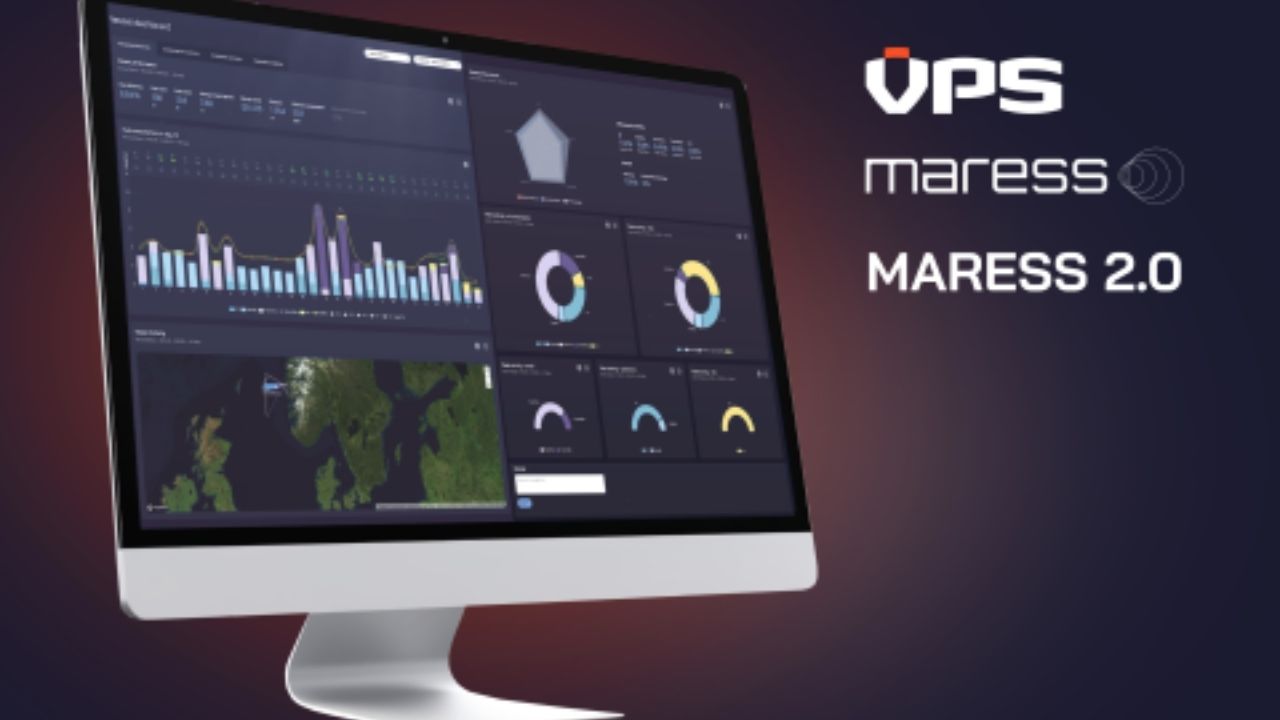
VPS Group has outlined the key features of Maress 2.0, an updated version of its cloud-based vessel performance monitoring software which adds components for data validation, energy analytics and fleet comparison to help offshore operators track decarbonisation efforts.
The platform, which has been used by more than 700 offshore vessels since its 2016 launch, now includes enhanced analytics tools, support for alternative fuels including biofuels, and a data quality validation module designed to alert users to potential reporting issues, according to the company.
Steve Bee, VPS Group’s marketing and strategic projects director, said the software aims to reduce the workload on ship operators when monitoring, verifying and reporting vessel performance and efficiency.
The update comes as maritime decarbonisation legislation continues to expand, placing increased demands on shipowners to provide transparent and traceable data to regulatory bodies, VPS noted.
Maress 2.0 introduces a fleet comparison tool that analyses more than 10 key performance indicators across offshore vessels simultaneously, using spider chart overlays to visualise performance differences. The system also includes a voyage replay feature that combines weather data, activities and efficiency metrics to help identify when and where poor fuel performance occurs.
A new PDF export function allows users to select data views including tables, metrics and charts, and arrange them into customised reports through a drag-and-drop interface.
The platform’s optional Energy Analytics module includes an energy flow diagram that shows how fuel energy is distributed and converted into usable power across vessel systems, according to VPS. A power output graph displays real-time engine, propulsion and thruster performance in relation to speed and operational mode.
VPS has run annual summer campaigns from 2023 to 2025, inviting offshore shipping companies to participate in three-month programmes using Maress to reduce emissions. In 2025, more than 300 vessels from 12 shipping companies reduced carbon dioxide emissions by approximately 12,000 tonnes, with participating vessels improving efficiency by more than 10% on average, according to the company.
The 2024 campaign saw 303 vessels from 12 companies save more than 7,000 tonnes of carbon dioxide emissions, while the 2023 campaign involved 133 vessels from eight companies saving 10,000 tonnes.
Iliyan Aleksandrov, HSEQ manager at REM, explained in 2024: “Crew dedication, strong focus on energy efficiency and consumption optimization, combined with VPS’ decarb advisory service and Maress software were the key factors in achieving the amazing results.”
Jon August Houge, sustainability director at Sea1 Offshore, observed: “The new Maress 2.0 by VPS Decarbonisation has been really impressive so far. The user interface with more liquid design is working very well, and the added functionality on exporting specific graphs to PDF are more than welcome.”
The data validation module provides personalised notifications to crews, enabling them to address issues before they affect operations or compliance with regulatory reporting requirements including the EU’s monitoring, reporting and verification (MRV) system, according to VPS.
Maress 2.0 operates alongside the existing version of the software, allowing users to continue previous functionalities while accessing new features, the company said.
|
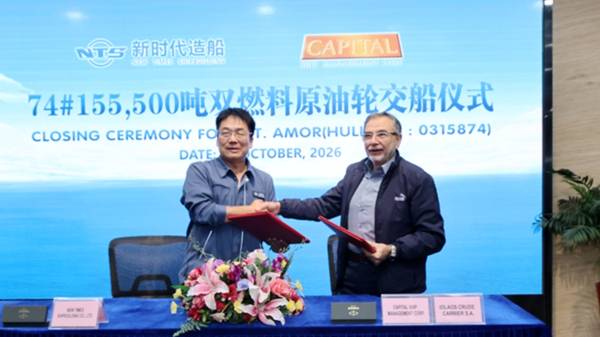
LNG dual-fuel crude tanker handed over to Capital
Jiangsu New Times Shipbuilding delivers the 155,500-DWT LNG dual-fuel crude oil vessel Amor. |
|
|
|
||

|
Gasum names Lowina Lundström as vice president, biogas
Former EIT InnoEnergy executive joins Gasum's management team to lead biogas business development from 1 December. |
|
|
|
||
|
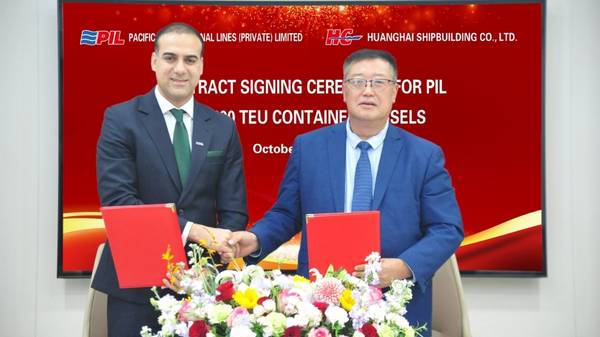
PIL orders seven methanol-ready feeder vessels from Huanghai Shipbuilding
Singapore carrier's 1,400-TEU newbuilds will boost intra-Asia capacity and support its 2050 net zero target. |
|
|
|
||
|
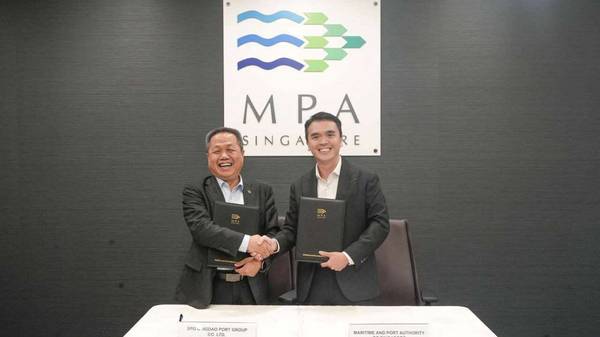
Singapore and Qingdao sign work plan to advance green and digital shipping corridors
MPA and Shandong Port Group’s Qingdao Port have agreed to pursue methanol bunkering pilots and data-sharing initiatives between the two ports. |
|
|
|
||
|
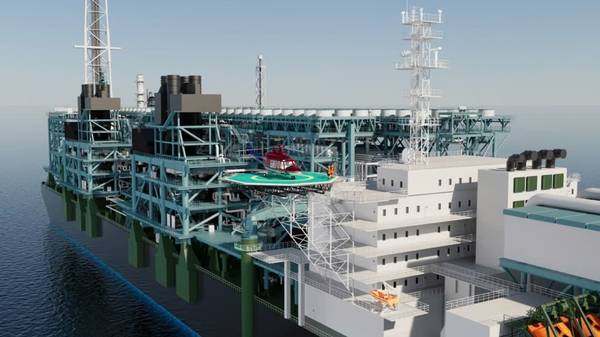
Wärtsilä to supply dual-fuel engines and thrusters for Delfin Midstream's FLNG vessel
Finnish technology group lands propulsion order for first floating LNG vessel built for US Gulf export project. |
|
|
|
||

|
Uni-Fuels advertises for senior bunker trader in Dubai
Nasdaq-listed firm recruiting for its trading team as it aims to drive growth. |
|
|
|
||
|
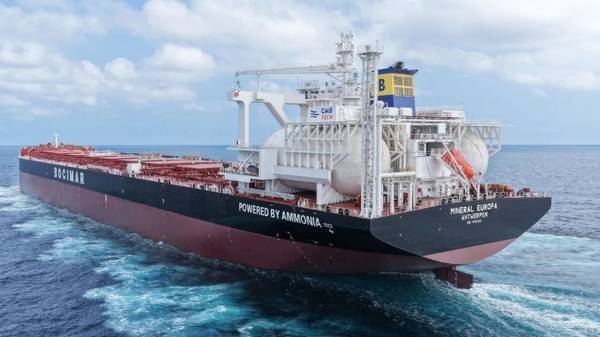
Green ammonia bunkered to ammonia-powered bulk carrier in Australian first
Pilbara Ports, Fortescue and CMB.Tech complete a ship-to-ship ammonia transfer at Port Hedland, supporting plans for a clean fuel bunkering hub in the region. |
|
|
|
||
|
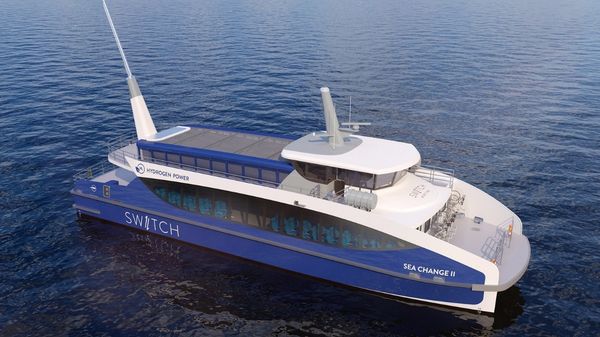
US Coast Guard agrees design framework for hydrogen-fuelled New York ferry
Switch Maritime and Incat Crowther reach regulatory agreement for a 150-passenger hydrogen fuel cell-electric fast ferry intended for New York's waterways. |
|
|
|
||
|
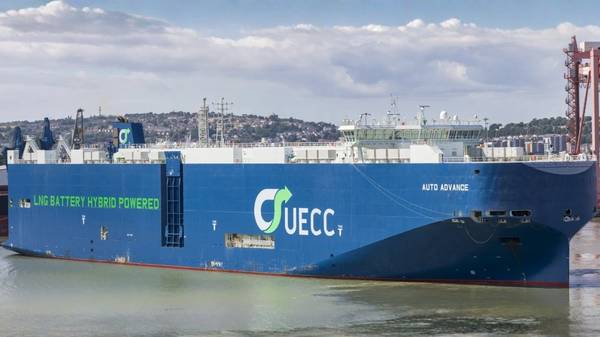
UECC fits WE Tech hybrid power systems on newbuild ro-ro vessels
Norwegian short-sea operator says battery and shaft generator technology from WE Tech Solutions has cut fuel use and auxiliary engine reliance on three newbuilds. |
|
|
|
||
|
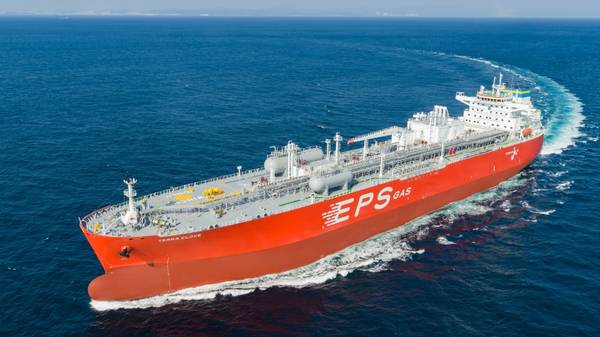
Envision's green ammonia used to bunker world's first VLAC
Chinese energy group supplies vessel owned by Eastern Pacific Shipping as it links production and marine fuel supply chains. |
|
|
|
||
| VPS appoints Neil Chapman as managing director for the Americas [News & Insights] |
| 2025 Marine Fuel Review | Steve Bee, VPS [News & Insights] |
| From Regulation to Reality: Fuel Assessment Update of the Mediterranean Emission Control Area | Steve Bee, VPS [News & Insights] |
| VPS launches upgraded Maress 2.0 maritime performance platform [News & Insights] |
| VPS to host Athens seminar on fuel efficiency and carbon reduction [News & Insights] |
| Singapore launches series of measures at SIBCON 2026 [News & Insights] |
| VPS outlines marine fuel standards and quality data at SIBCON 2026 [News & Insights] |
| Singapore launches ammonia bunkering code and new standards for fuel sampling and polymer testing [News & Insights] |
| Singapore safety council inspects methanol bunker tanker Golden Centaurus [News & Insights] |
