|
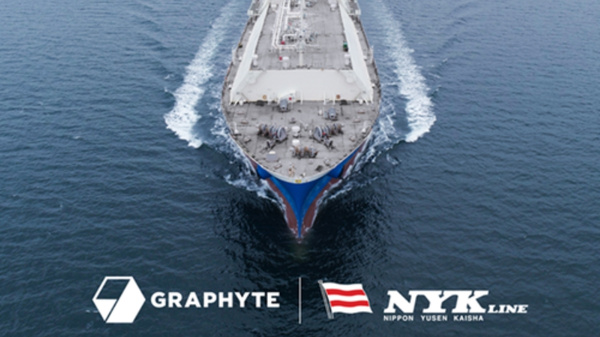
NYK to offset ship emissions with CDR credits from Loblolly project
Japanese shipping group turns to biomass-based carbon sequestration to address residual maritime emissions. |
|
|
|
||
|
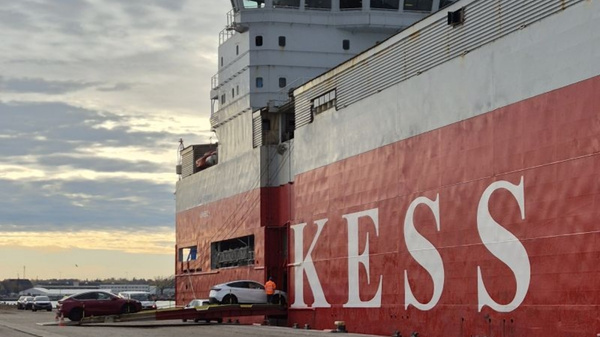
K Line orders four LNG dual-fuel car carriers for European short-sea operations
Kawasaki Kisen Kaisha contracts quartet of 1,380-vehicle vessels at China Merchants Jinling Shipyard. |
|
|
|
||

|
Bunge seeks bunker purchaser for Rotterdam operation
Agribusiness is looking for candidates with experience in marine fuel procurement. |
|
|
|
||
|
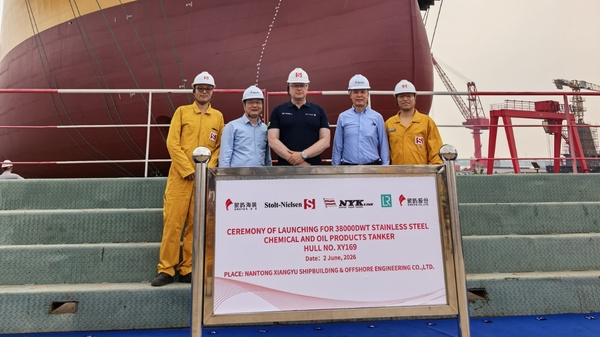
First vessel in NYK Stolt Tankers’ newbuild series launched in China
FKAB-designed 38,000 DWT chemical tanker launched at Nantong Xiangyu Shipyard, China. |
|
|
|
||
|
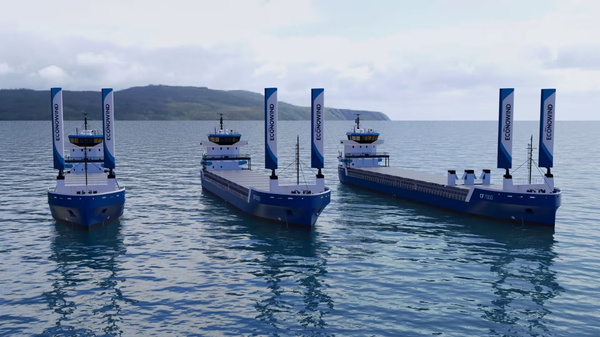
Damen expands biofuel-compatible Combi Freighter series with CF 6000 and CF 7000 designs
Damen Shipyards Group adds two larger variants to its Combi Freighter series, offering up to 40% more cargo capacity. |
|
|
|
||
|
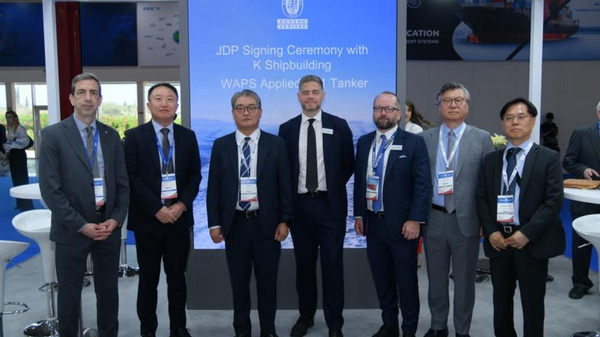
K Shipbuilding, bound4blue and Bureau Veritas launch joint project for wind-assisted LR1 tanker
The three partners are collaborating on a 74,000-dwt LR1 tanker design incorporating wind-assisted propulsion. |
|
|
|
||
|
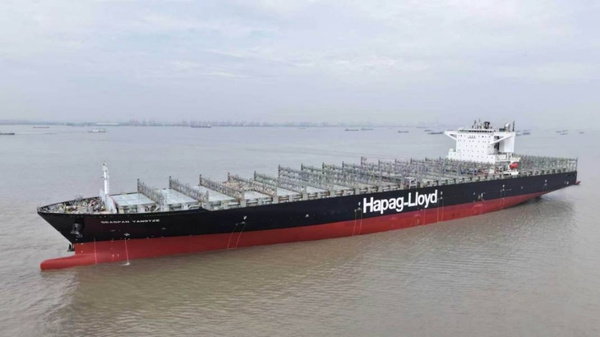
Hapag-Lloyd and Seaspan complete first methanol retrofit under five-ship programme
The Seaspan Yangtze has been converted to dual-fuel methanol operation as part of a $120m programme. |
|
|
|
||
|
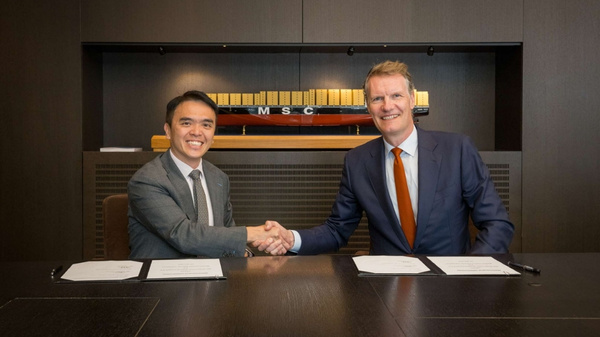
MPA and MSC sign MoU covering decarbonisation, digitalisation and talent development in Singapore
The agreement marks 30 years of MSC’s presence in Singapore and covers alternative fuels adoption. |
|
|
|
||
|
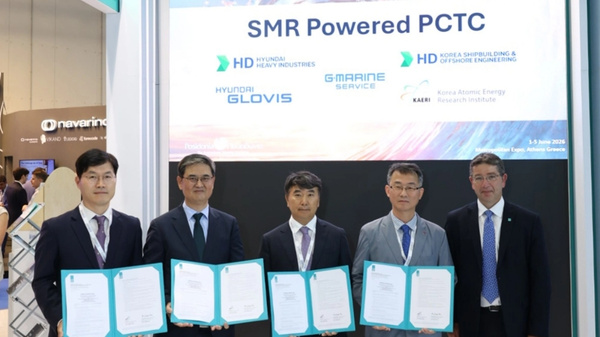
Lloyd’s Register backs nuclear car carrier concept with Korean partners at Posidonia 2026
LR and Korean partners receive approval in principle for SMR-powered pure car and truck carrier concept. |
|
|
|
||
|
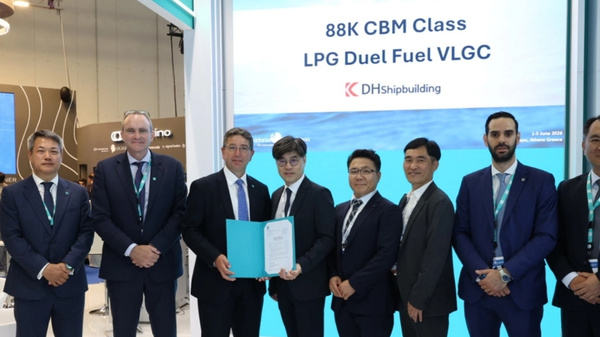
Lloyd’s Register expands Korean shipyard partnerships at Posidonia 2026
A series of agreements covering alternative fuels and emerging technologies was announced at the Athens exhibition. |
|
|
|
||
| Swedish port Trelleborg inaugurates shore power installation [News & Insights] |
| Stena Line aims to improve fuel efficiency with new torque monitoring system [News & Insights] |
| Nuclear propulsion edging closer to commercial shipping, says Lloyd's Register [News & Insights] |
| BSM launches methanol training courses for seafarers [News & Insights] |
| Sumitomo SHI FW licenses VTT syngas technology for sustainable fuels plants [News & Insights] |
| Ammonia emerges as most feasible alternative fuel for deep-sea shipping in 2050 emissions study [News & Insights] |
| Fincantieri’s VARD launches first of four offshore wind vessels for Windward Offshore [News & Insights] |