
|
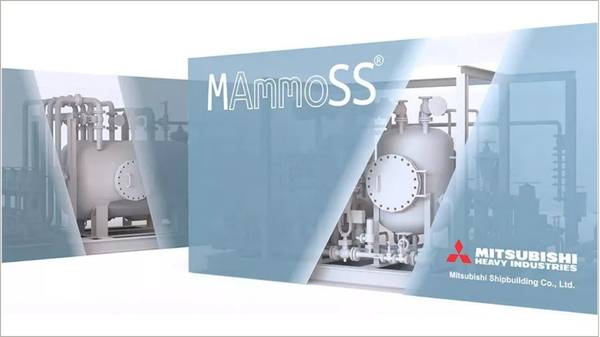
Mitsubishi Shipbuilding receives order for ammonia fuel handling system
MAmmoSS system will support shop testing of ammonia marine engines from two licensors. |
|
|
|
||
|
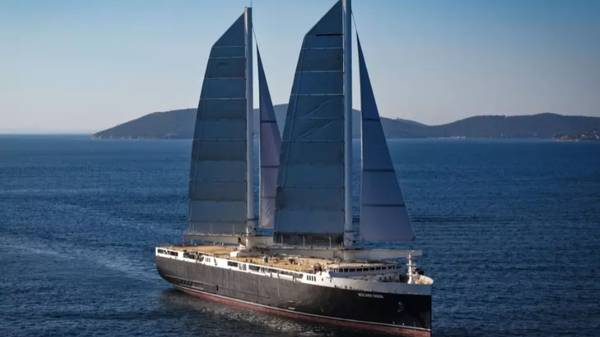
Kongsberg Maritime to lead EU Horizon project targeting wind-assisted propulsion at scale
A 15-partner European consortium will use two full-scale vessel demonstrators to validate wind propulsion technology. |
|
|
|
||
|
Petrobras warns of extended MGO and VLSFO supply suspension at Port of Itaqui
Fuel distributor announces pipeline maintenance shutdowns affecting both MGO and VLSFO supply. |
|
|
|
||
|
PowerCell secures SEK 50m marine fuel cell order for two liquid hydrogen cargo ships
Swedish fuel cell maker wins contract to power two North Sea hydrogen vessels by 2028. |
|
|
|
||
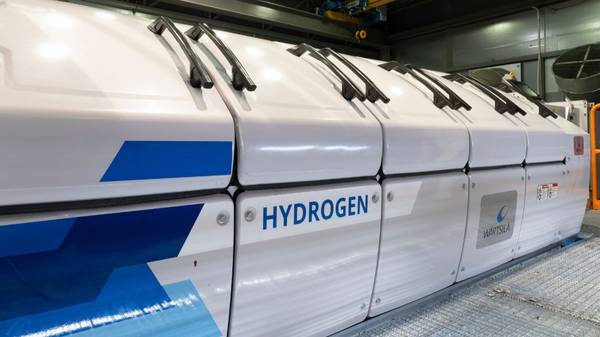
|
MatH2 consortium launched to tackle hydrogen materials barriers
New Finnish-led alliance targets materials compatibility challenges holding back hydrogen adoption. |
|
|
|
||
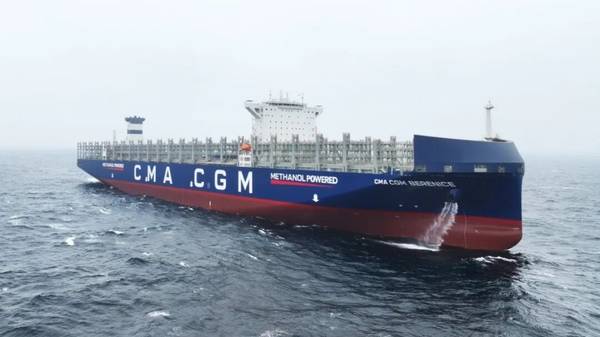
|
CMA CGM takes delivery of fifth methanol dual-fuel boxship in series from Jiangnan Shipyard
15,000-teu vessel is the penultimate ship in a six-vessel series due for completion in September. |
|
|
|
||

|
VPS launches VeriSphere Webshop in push to digitise marine fuel services
Veritas Petroleum Services unveils self-service digital platform giving customers direct access to fuel data tools. |
|
|
|
||
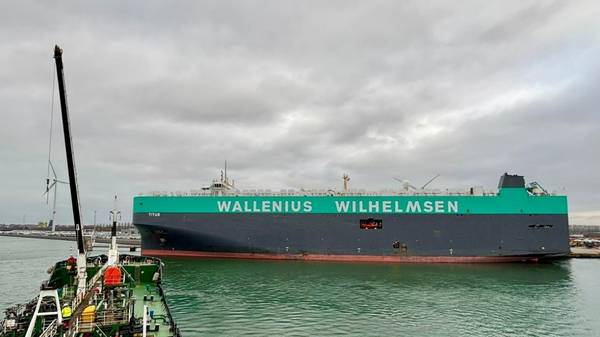
|
ExxonMobil and Wallenius Wilhelmsen complete first trial of biofuel blend made from FAME distillation residue
Vehicle carrier bunkered in Zeebrugge with B30 VLSFO blend. |
|
|
|
||
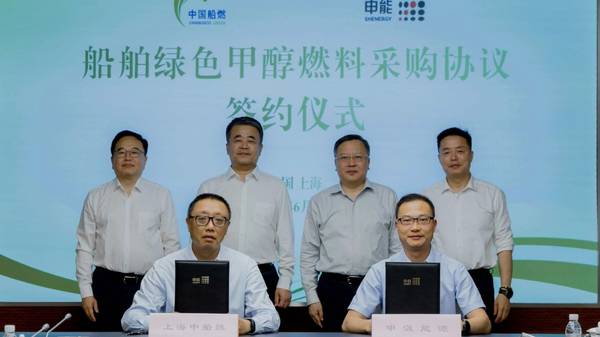
|
'China’s largest single-order green methanol procurement deal' announced
Chimbusco and Shenergy seal agreement for 6,000 tonnes of methanol. |
|
|
|
||
|
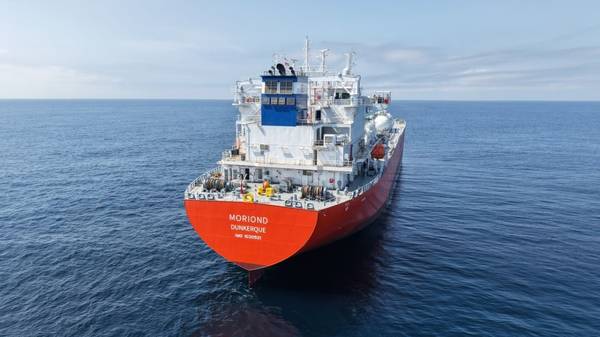
Exmar takes delivery of third dual-fuel LPG midsize gas carrier in newbuild programme
Belgian shipping group Exmar takes delivery of the 41,000-cbm LPG carrier Moriond. |
|
|
|
||
| Gaslog orders gas carrier with dual-fuel propulsion [News & Insights] |
| Wartsila in maintenance deal for eight LNGCs running on dual-fuel engines [News & Insights] |
| Project said to prove viability of CFD analysis to calculate LNG boil-off rate [News & Insights] |
| GasLog Partners completes acquisition of tri-fuel tanker [News & Insights] |
| CMA CGM adds LNG-powered Syracuse vessel to fleet under French flag [News & Insights] |
| Steel cutting begins on 298,000-dwt LNG dual-fuel VLCC [News & Insights] |
| Panama Canal launches NetZero Slot to incentivize low-emission transits [News & Insights] |
| Egypt's petroleum ministry and Suez Canal Authority sign MOU for LNG bunkering facility [News & Insights] |
| Spanish ports see fourfold increase in LNG bunkering volumes over two years [News & Insights] |

