
|
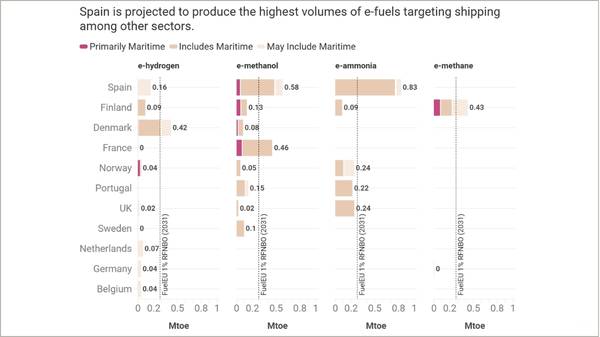
Europe risks falling behind China in race to produce e-fuels for shipping
Europe has 69 e-fuel projects but only six are operational, while China is scaling rapidly. |
|
|
|
||

|
Sing Fuels opens applications for junior bunker trader role
Singapore-based firm seeks candidates with one to two years of experience in marine fuels or the wider maritime industry. |
|
|
|
||
|
Eleven Energy eyes Athens expansion with trader hire
Riyadh-headquartered firm looking to open its second office in Europe. |
|
|
|
||
|
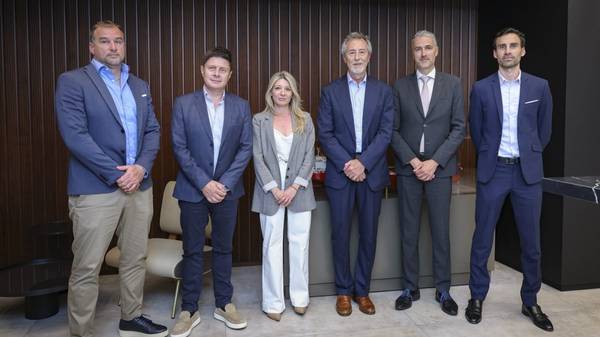
Monaco backs Scorpio Ship Management in European hydrogen propulsion project
Government co-finances Scorpio’s role in Project Mariner as Europe pushes to develop hydrogen propulsion technology for commercial shipping. |
|
|
|
||
|
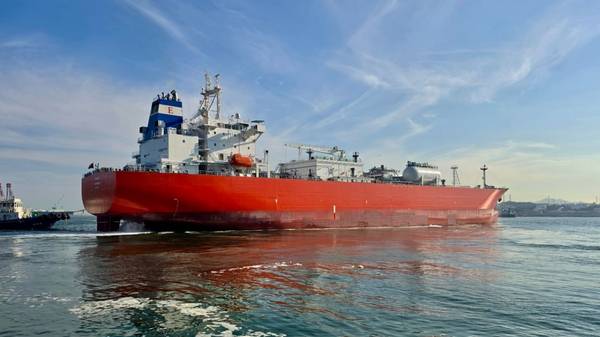
Exmar takes delivery of second dual-fuel ammonia carrier at HD Hyundai Heavy Industries
Arlon is second in a planned series of four ammonia dual-fuel midsize gas carriers. |
|
|
|
||
|
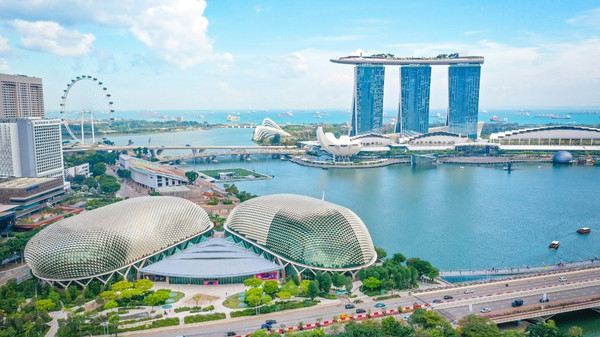
IBT Bunkering & Trading launches Singapore desk to complement Hamburg operation
German bunker firm says the move gives it round-the-clock coverage across two continents. |
|
|
|
||
|
Singapore awards eight new LNG bunkering licences ahead of September launch
The Maritime and Port Authority of Singapore is expanding the city-state’s LNG bunkering capacity with eight new five-year licences. |
|
|
|
||
|
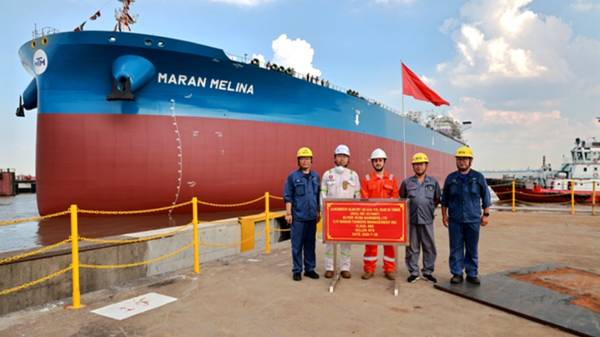
New Times Shipbuilding launches two LNG dual-fuel crude oil tankers for Maran and Capital Ship
Two 155,500-dwt LNG dual-fuel tankers floated out for Greek shipping groups. |
|
|
|
||
|
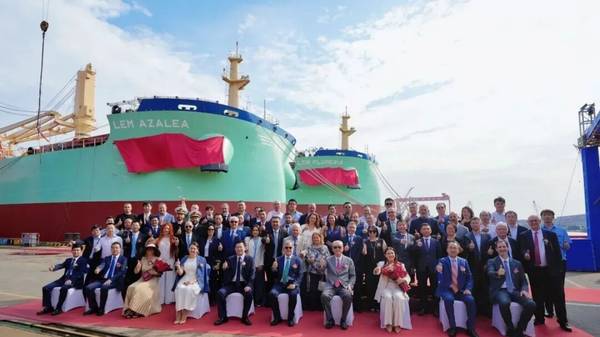
Naming ceremony held for Huangpu Wenchong's first methanol dual-fuel bulkers
Two 65,000-tonne vessels built for Limassol-based Lemissoler Navigation. |
|
|
|
||
|
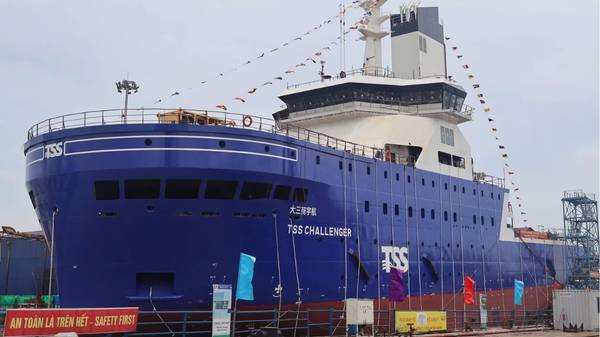
Damen launches second CSOV 9020 for TSSM, prepared for future methanol operation
The vessel, to be named TSS Challenger, is due for delivery in early 2027. |
|
|
|
||
| MTU's Stefan Muller talks bunker-saving hybrid drives [News & Insights] |
| Rolls-Royce engines to power world's largest hybrid ferry [News & Insights] |
| Rolls-Royce showcases new gas and diesel engines at Nor-Shipping [News & Insights] |
| Torghatten Nord orders 15 bunker-saving engines for LNG-powered ferries [News & Insights] |
| BC Ferries orders Everllence engines for four newbuild ferries [News & Insights] |
| Chimbusco explores green marine fuel solutions at carbon neutrality forum [News & Insights] |
| Corvus Energy unveils LFP battery system for marine applications [News & Insights] |
| Vard wins €220m contract to build methanol-ready vessels for Trinity House [News & Insights] |
| Grimaldi takes delivery of 9,000 CEU car carrier with 50% fuel reduction [News & Insights] |

