
|
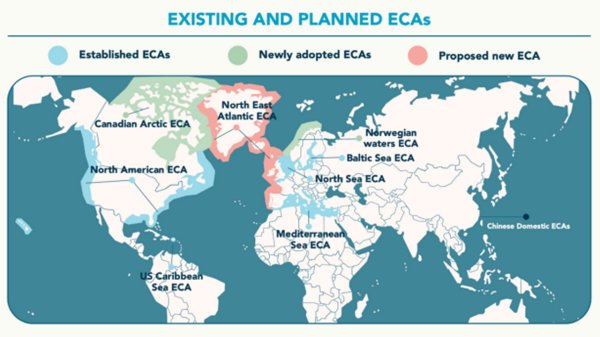
IMO adopts Northeast Atlantic ECA covering waters from Portugal to Greenland
New ECA to enter into force in September 2027, connecting existing European zones with Canadian Arctic waters. |
|
|
|
||
|
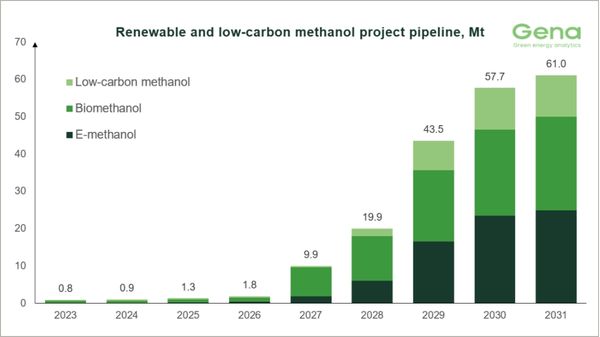
Renewable methanol project pipeline reaches 61 MMT as China groundbreakings accelerate
GENA Solutions reports pipeline growth despite concerns over construction readiness for Chinese projects. |
|
|
|
||
|
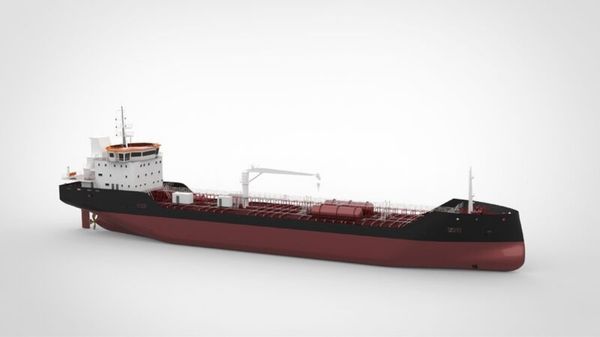
Berg Propulsion to supply propulsion system for Akdeniz-built chemical tanker
Turkish shipyard Akdeniz orders diesel-electric propulsion package for an 8,000-dwt vessel destined for Transka Tankers. |
|
|
|
||
|
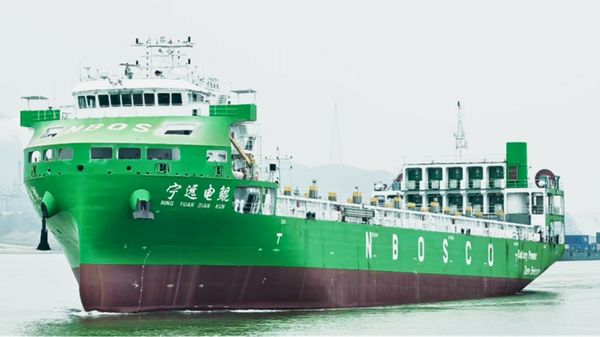
China Classification Society certifies 740-teu pure-electric container ship
Ning Yuan Dian Kun features battery-swapping capability and is claimed to eliminate 1,462 tonnes of CO2 annually. |
|
|
|
||
|
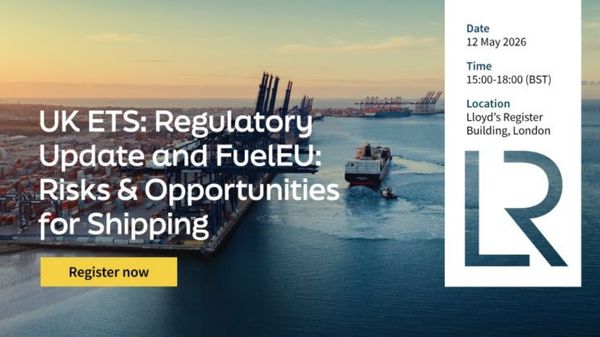
Lloyd’s Register to host UK ETS and FuelEU Maritime briefing in London
Event on 12 May will examine maritime emissions regulations ahead of UK ETS expansion. |
|
|
|
||
|
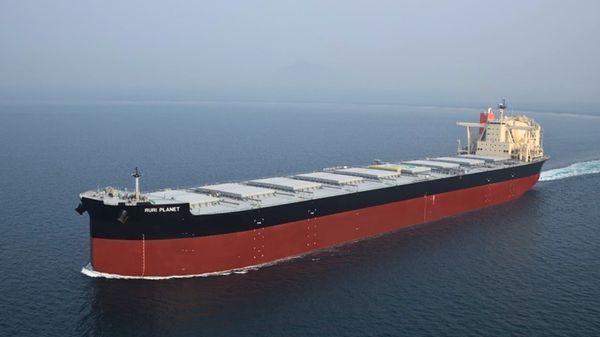
Japanese shipbuilder delivers dual-fuel LNG bulk carrier Ruri Planet
The 209,000-tonne Capesize vessel can run on heavy fuel oil or LNG. |
|
|
|
||

|
L&T Energy GreenTech signs 300,000-tonne green ammonia supply deal with Itochu
Indian firm to supply Japanese trading house from planned Kandla facility for marine fuel applications. |
|
|
|
||
|
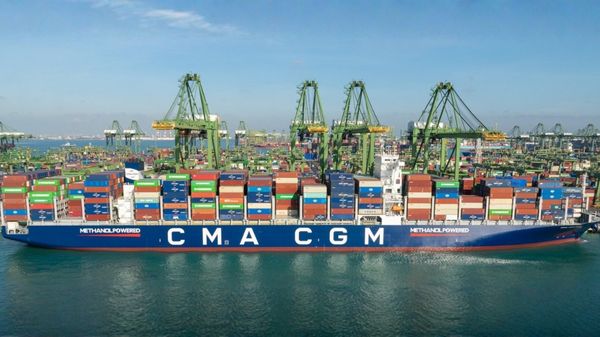
Methanol-powered container ship is named CMA CGM D’Artagnan
French shipping group adds vessel to methanol fleet as part of net-zero target. |
|
|
|
||
|
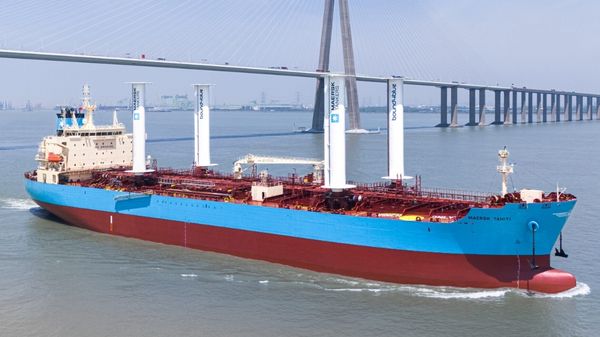
Bound4blue completes second suction sail installation for Maersk Tankers
Four 24-metre eSAIL units fitted on Maersk Tahiti at Chinese shipyard in April. |
|
|
|
||
|
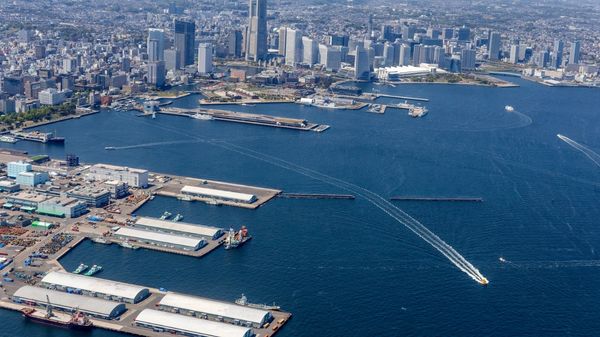
Asia-Pacific ports advance cross-sector hydrogen and e-fuel infrastructure
Accelleron report highlights a coordinated approach combining energy, industry and shipping demand to stimulate market development. |
|
|
|
||
| LNG-fuelled boxships sustain alternative fuel orderbook share despite market slowdown [News & Insights] |
| World’s first full methanol dual-fuel retrofit completes maiden voyage [News & Insights] |
| Sanmar advances construction of world's largest methanol-powered escort tug [News & Insights] |
| Japan Engine Corporation extends ammonia engine licence to Akasaka Diesels [News & Insights] |
| WinGD claims methanol and ammonia engines ready for commercial deployment as regulatory clarity awaited [News & Insights] |

