Thu 23 Jun 2016, 07:02 GMT

Another day of losses for crude


EIA report reignites the issue of oversupply. Uncertainty related to UK's EU referendum also helped push down prices.


Wednesday turned out to be another day of losses in the world of crude oil futures.

Positive sentiment stemming from Tuesday's American Petroleum Industry (API) trade group report revealing a nearly three-times greater-than-expected decrease in crude oil inventories seemed to extend into early Wednesday with both Brent and U.S. crude's West Texas Intermediate (WTI) futures trading above the $50 a barrel level at one point. However, optimism quickly turned to trepidation after the U.S. Energy Information Administration (EIA) Petroleum Status Report for the week ending June 17th, 2016 came out. Prior to the EIA data release Wednesday morning, WTI crude for August delivery was trading up 0.7 percent at $50.20 a barrel, but dropped to $49.75 after the EIA data was released.

The EIA report revealed a drop in US commercial crude oil (USO) (UWTI) (SCO) (UCO) (BNO) inventories of about 0.93 million barrels (MMbbls) compared to the previous week, reporting a crude oil inventory of 530.6 MMbbls for the week ending June 17th, 2016. These numbers, in sharp contrast to the massive inventory drop published in the API report and even considerably behind the 1.7 million barrel drop forecasted by S&P Global Platts surveys, reignited fears about oversupply.

In other relevant news, Britain's European Union (EU) referendum is another day closer and continuing uncertainty over what is in store for Britain's EU membership status has not been helping crude oil prices. A fresh poll on Thursday's referendum showed a slight, albeit statistically insignificant, edge in favour of a Brexit result. Brexit has become the term for a referendum result in favour of Britain exiting the EU.

"The Brexit vote is definitely the most significant factor on crude's horizon," says Robbie Fraser, commodity analyst at Schneider Electric. "The market continues to be relatively confident that the remain vote will prevail tomorrow. As such, a vote to stay may only offer slight momentum higher, while a surprise victory for the leave camp would be a significantly bearish factor for oil prices and global markets at large."

Though London voting stations close at 10 pm for today's UK referendum, we do not expect to receive conclusive results until 7 am or later on Friday morning.

In the end, US benchmark West Texas Intermediate (WTI) for August delivery, after trading throughout the day between $48.44 and $50.52 a barrel, fell 74 cents (1.48%) to close at $49.11 US a barrel on the New York Mercantile Exchange, and London's Brent North Sea crude for delivery in August, the global benchmark, after trading between $49.20 and $51.24 a barrel throughout the day, fell 74 cents (1.44%) to $49.88 US a barrel.

Today's main influences, the bears and bulls:

The Bears:
- Uncertainty related to the upcoming UK EU referendum.
- Crude oil oversupply fears stemming from much more modest than expected crude oil inventory drops in Wednesday's EIA Petroleum Status Report.

The Bulls:
- Continuing, yet short-lasting, optimism from previous day's crude inventory drops published in the API report.

In the days to come, watch out for the following key catalysts for the crude oil market:

June 23rd
EIA's weekly natural gas storage report
EIA's natural gas weekly update

June 24th
EU referendum results
Baker Hughes's US crude oil rig count
Baker Hughes's US natural gas rig count


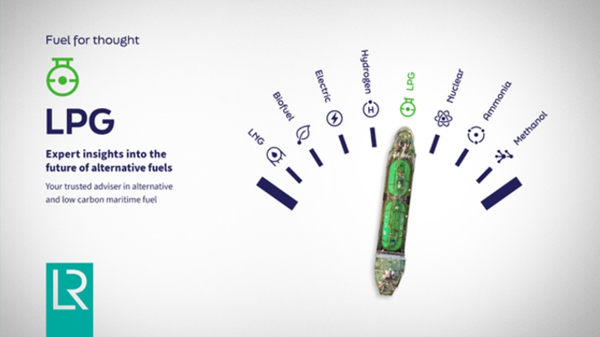
Fuel for Thought: LPG report. Lloyd’s Register examines LPG as marine fuel in new research report  

Classification society evaluates LPG emissions benefits, safety considerations and technology readiness for shipping.

Steel-cutting ceremony for vessel with builder's hull no. W0284. Finnlines begins construction of first methanol-capable ro-pax vessel in EUR 500m newbuild programme  

Grimaldi Group subsidiary begins work on Hansa Superstar class ships at Chinese shipyard.

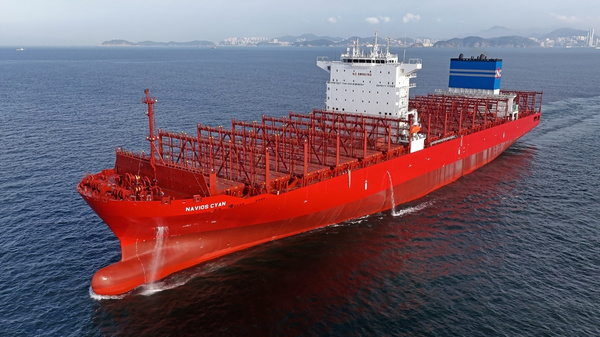
Navios Cyan vessel. Navios Partners takes delivery of LNG- and methanol-ready boxship  

The 7,900-teu Navios Cyan is the first of four newbuildings in the series.

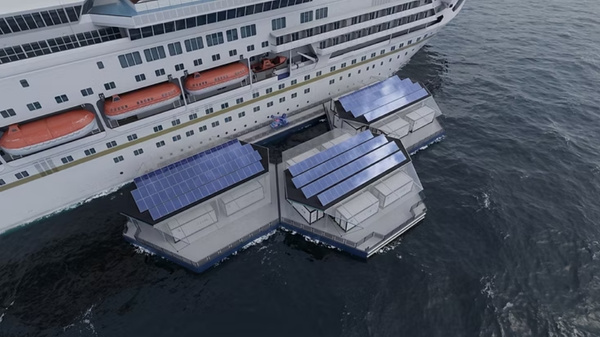
Rendering of a hydrogen energy system. Floating hydrogen power hub validated for grid-independent ship charging at berth  

ELIRE Maritime-led consortium validates modular platform delivering 5MW of clean power without a shoreside grid connection.

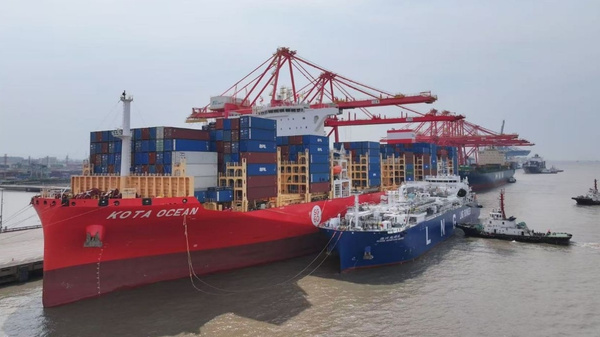
Kota Ocean ship-to-ship (STS) LNG bunkering operation. PIL completes first LNG bunkering at Shanghai’s Mingdong Terminal  

Kota Ocean took on 4,300-cbm of LNG during simultaneous cargo operations.

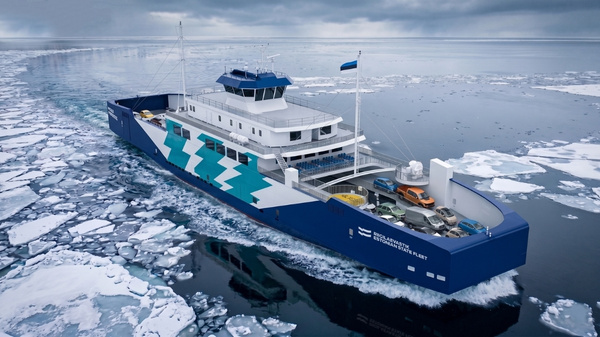
Fully electric passenger ferry render. Estonia orders first fully electric ferry from Polish shipyard CRIST  

Battery-powered vessel designed by LMG Marin will operate on the Virtsu–Kuivastu route from 2028.

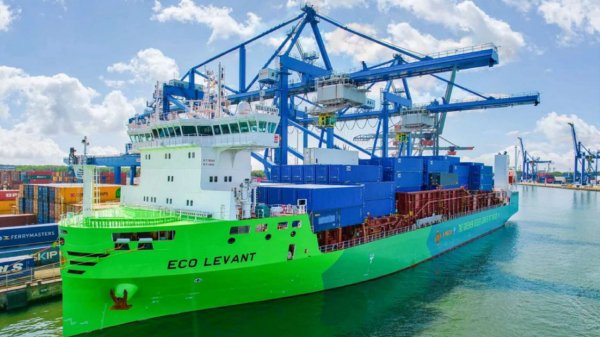
Eco Levant vessel. X-Press Feeders trials ethanol-methanol blend in Rotterdam  

Container operator tests 10-90 ethanol-methanol fuel mix aboard Eco Levant vessel.

Venture Energy, CSST and CSTC MoU signing. Venture Energy signs green methanol cooperation agreement  

MoU establishes framework for long-term offtake and capacity development in maritime decarbonisation.

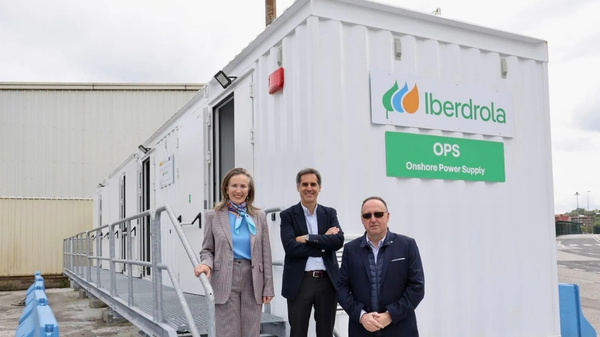
Iberdrola España Onshore Power Supply (OPS). Iberdrola España completes shore power installation at the Port of Pasaia  

Spanish utility installs onshore power supply system, enabling docked vessels to use renewable electricity.

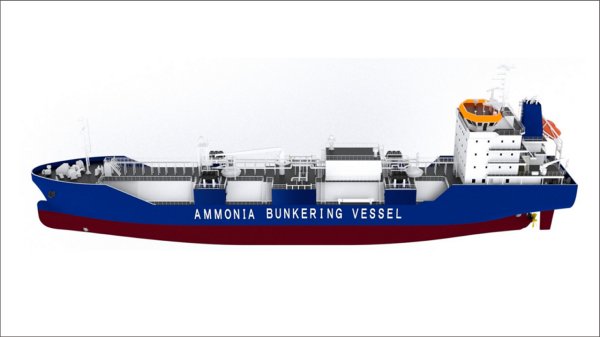
Illustratic image of Itochu's newbuild ammonia bunkering vessel, scheduled for delivery in September 2027. Itochu secures approval for ammonia bunkering trials in Singapore  

Japanese trading house to conduct two-year trial following MPA authorisation.